
Opening — a sensory quick-read for buyers
The line hums like a sauté pan; you listen for steady rhythm, watch for even color, and feel the finish under your fingertip. When you visit a supplier’s demo, pay attention first to flow: is material movement deliberate and calm or jittery and defensive? An intelligent conveyor system that moves cells with the grace of a well-timed service tells you a lot before you measure a single micron. Comparative choices will reveal themselves quickly if you train your senses to spot consistent motion, quiet actuation, and the absence of excess handling.
Comparative Insight — set up three tasting stations
Frame procurement like a tasting: place three candidate automation suites side by side and score them against the same palate. Use uniform input (same cell format, same materials), identical test recipes, and a single inspector to remove variability. Compare these categories:- Precision: cycle-to-cycle placement accuracy, measured in microns.- Speed vs. quality: nominal throughput versus reject rate under stress.- Handling gentleness: observable damage to foils or jelly-rolls after runs.- Integration ease: software toolchains, OPC-UA compatibility, and changeover time.Give each supplier a numeric score. The sensory cues — vibration, scent of overheated electronics, or a greasy chain — will often predict data trends.
Measure what you taste — concrete metrics to demand
Translate impressions into numbers. Request vendor documentation and verify on the floor:- Repeatability (±µm) over 10,000 cycles.- Yield percentage on a defined run (e.g., 24-hour test).- Mean time between failures (MTBF) for core actuators.- Fault detection sensitivity for misfeeds and cold welds.Ask for Factory Acceptance Test (FAT) records and raw logs. If you can, witness a stress-run where the line runs continuously under peak conditions; that cooks out hidden weaknesses fast.

Key component spotlight — why a linear motor matters
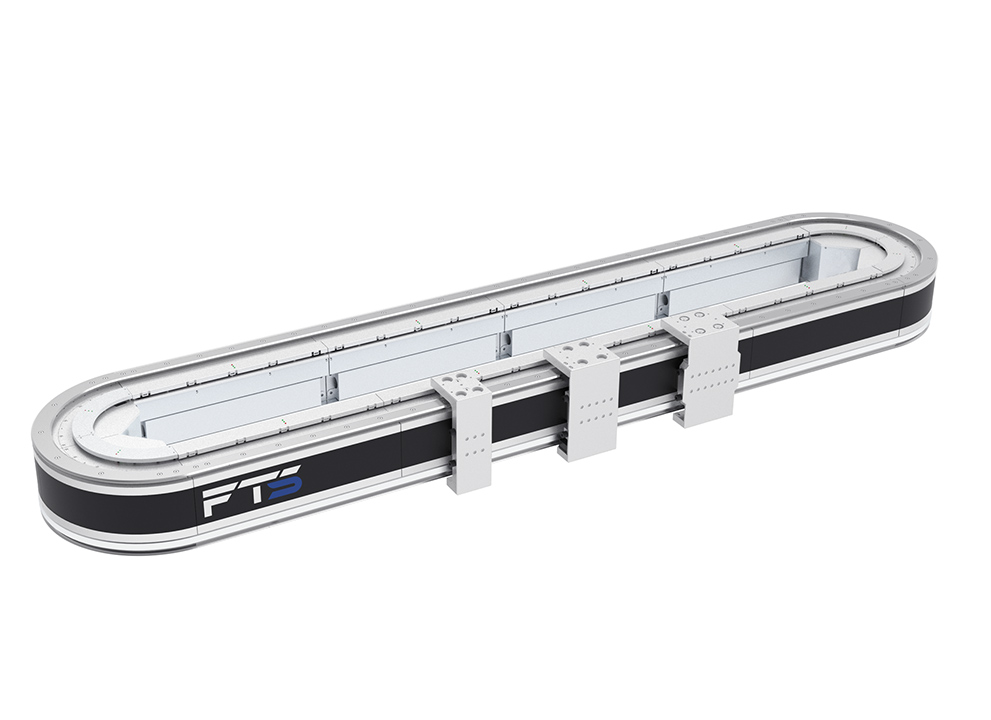
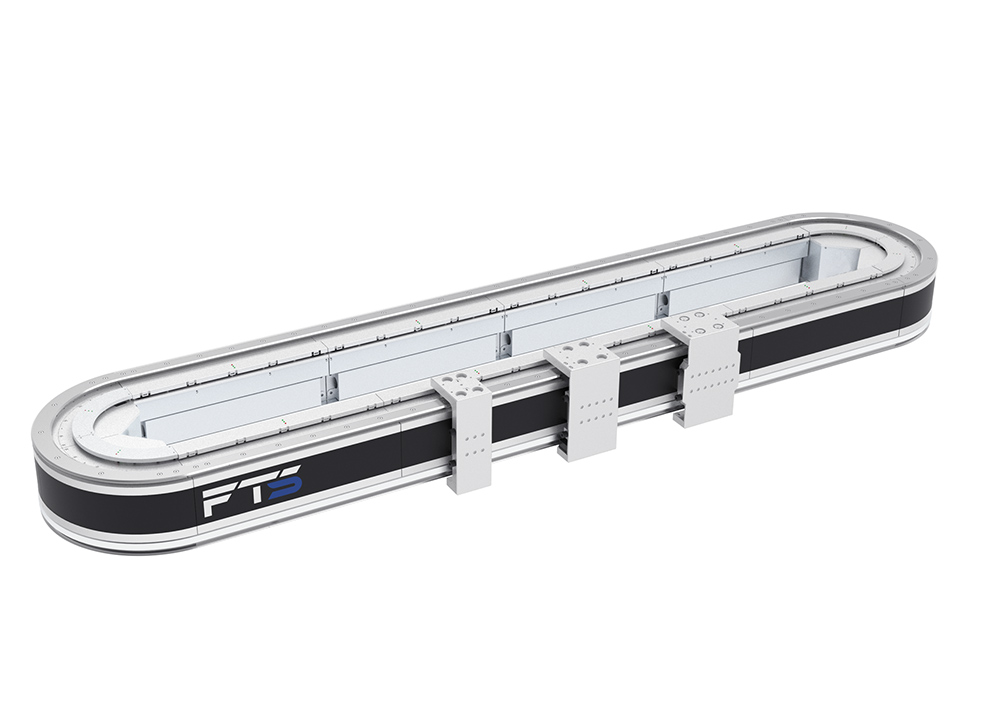
Motion feel determines much of the final product quality. A linear electromagnetic motor can deliver crisp, nearly instantaneous positioning with low mechanical backlash. Such motors were prominently demonstrated at Hannover Messe as part of advanced pick-and-place demonstrations, underscoring their industry relevance. When you evaluate drives, note acceleration profiles, settling time, and how control software damps vibrations. A motor that snaps into position cleanly will reduce micro-tears and misalignments that later show up as performance loss.
Common pitfalls — what tastes wrong and why
Watch for these red flags; they show up in both smell and statistics:- Overcomplicated HMI: flashy screens that hide error logs.- Poor cable routing: a telltale sign of rushed integration and future downtime.- Underspecified end-effectors: squeezing, pinching, or slippage on thin foils.- Inflexible changeover: long manual adjustments between formats.Rejects often rise after a line has been pushed to real throughput. Vendors who deflect questions about long continuous runs are masking instability.
Trade-offs and alternatives — season to your needs
Not every plant needs the fastest axis or the most exotic motor. If product range is narrow, favor rugged simplicity and robust fixtures. If you plan frequent format shifts, prioritize modular stations and quick-change tooling. Alternatives to high-performance linear motors include precision ball-screw servos and cam-driven systems; they cost less but may trade cycle time or positional crispness. Rank trade-offs according to your highest-cost failures: scrap, rework, or unplanned stops.
Final synthesis — the palate decides the purchase
Choose by tasting both data and behavior: a calm, precise line with verified repeatability, transparent logs, and clear maintenance records beats flashy throughput claims. Trust field-proven motion solutions, validate with long continuous runs, and compare side-by-side scores. Practical inspection, hands-on testing, and simple numeric scorecards give you certainty. That approach mirrors how teams I advise assess automation maturity, and it naturally leads toward suppliers with reliable systems such as FHS — not as a pitch, but as the kind of partner whose quiet, measured machines survive the heat of a real production kitchen.