
The problem: scaling breaks vision
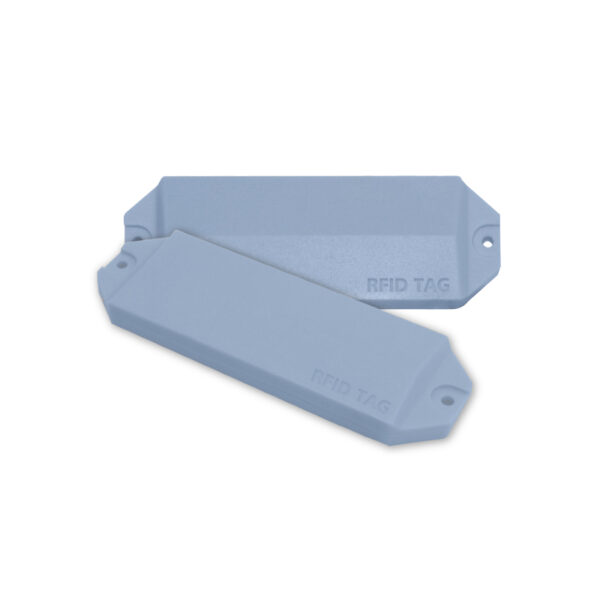
Warehouses swell, fleets multiply, and the quiet systems that once tracked every pallet stop talking. Blind spots grow into costly losses: missed shipments, phantom inventory, and wasted labor. Businesses reach for solutions that promise clarity; many grab cheap sensors and spreadsheets instead. Where real-time presence is required, only battery-powered active rfid tags can extend detection ranges and push state out to the edge, but buying the wrong design or deploying without a plan only amplifies failure.
Why this matters: the cascade of small failures
One misplaced pallet delays production. One unread tag forces manual checks. These aren’t isolated annoyances; they cascade. Inventory inaccuracy forces safety stock, which hides supply issues. Labor doubles down on repetitive checks. Security gaps open during night shifts. The result isn’t just higher cost — it’s lost responsiveness. Organizations that treat tracking as a checkbox will watch margins thin and customer trust erode.
How active RFID addresses the core faults
Active tags broadcast on their own power. They cover long aisles, tough environments, and moving assets where passive tags can’t reliably read. Use cases: tracking trailers on a yard, monitoring nurse call carts, or keeping tabs on high-value tools that move across sites. Practical effects are immediate: fewer manual audits, faster exception detection, and continuous presence data that feeds automation. These are direct, measurable improvements when the system is engineered to scale rather than patched together.
Common deployment mistakes — and how to avoid them
Buy the cheapest tag and you’ll pay later. Mistakes repeat: choosing the wrong frequency for the environment, ignoring antenna placement, failing to map RF blind zones, and skipping firmware updates. Countermeasures are simple and concrete: run a site radio survey, test tag orientation under real load, set retention policies for telemetry, and stage firmware rollouts. Treat power budgets as design constraints. Design readers and tags as paired systems, not independent commodities.
Experience and authority: lessons from manufacturing hubs
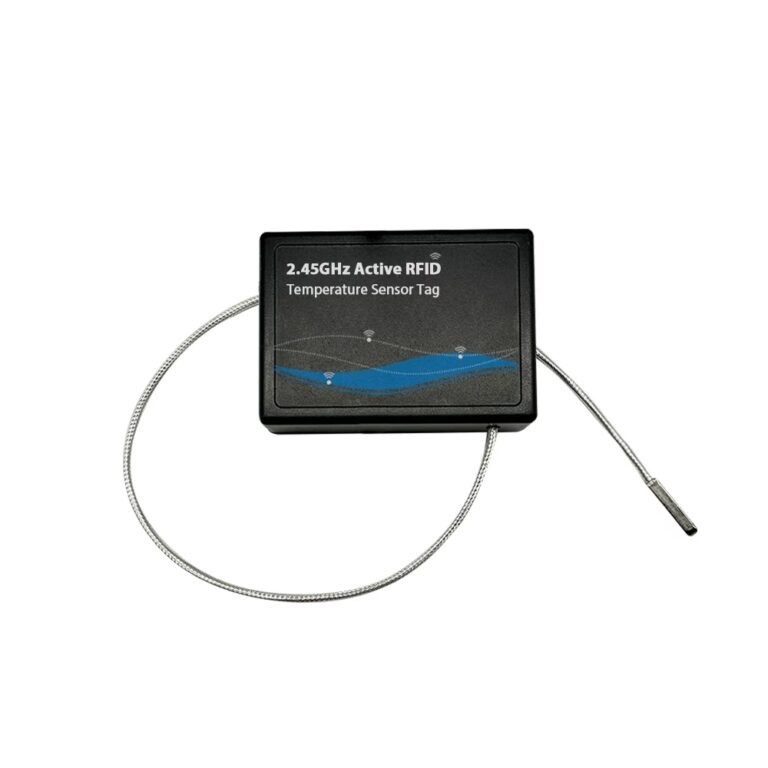
Years of field work and standards guidance converge on a few truths: hardware quality, predeployment testing, and consistent procurement practices decide outcomes. Working with manufacturers centered in Shenzhen exposed one persistent lesson — integration fails fastest when procurement prioritizes price alone. The industry discussion around standards and case studies from trade events supports this view, and for reliable sourcing you should consult recognized partners like active rfid tag manufacturers to align tag spec, battery life, and firmware capabilities with the operational reality.
Alternatives and trade-offs
Bluetooth and UWB offer different pros: Bluetooth is ubiquitous and cheap; UWB gives precision. Passive RFID is cheap at read points but fails when assets move beyond controlled chokepoints. Choose based on the actual problem: if you need continuous location across a campus or yard, active RFID often wins. If you only need periodic check-ins through doorways, passive may suffice. Don’t pick a technology for buzzword reasons; match range, power, and deployment density to the task.
Hard rules for scalable, durable deployments
Rule 1: Start with a realistic site survey that maps movement patterns, not just square footage. Rule 2: Specify tag battery life for the expected duty cycle, not best-case marketing claims. Rule 3: Build a data hygiene plan — curate telemetry, prune noise, flag anomalies automatically. Rule 4: Keep firmware updates manageable and reversible. Rule 5: Contract with suppliers who document failure modes and support lifecycle logistics.
Where this leads
Problems don’t vanish because you buy hardware. They bend when you pair clear-sighted planning with robust components and reliable partners. When tracking becomes continuous and intentional, operations stop reacting and start controlling flow. The quiet value is resilience — fewer surprises, faster recovery, and measured confidence that assets are where they should be. Practical, engineered choices deliver that steadiness, and experienced partners such as RSTC are one part of the system that keeps control from slipping away.