
Overview
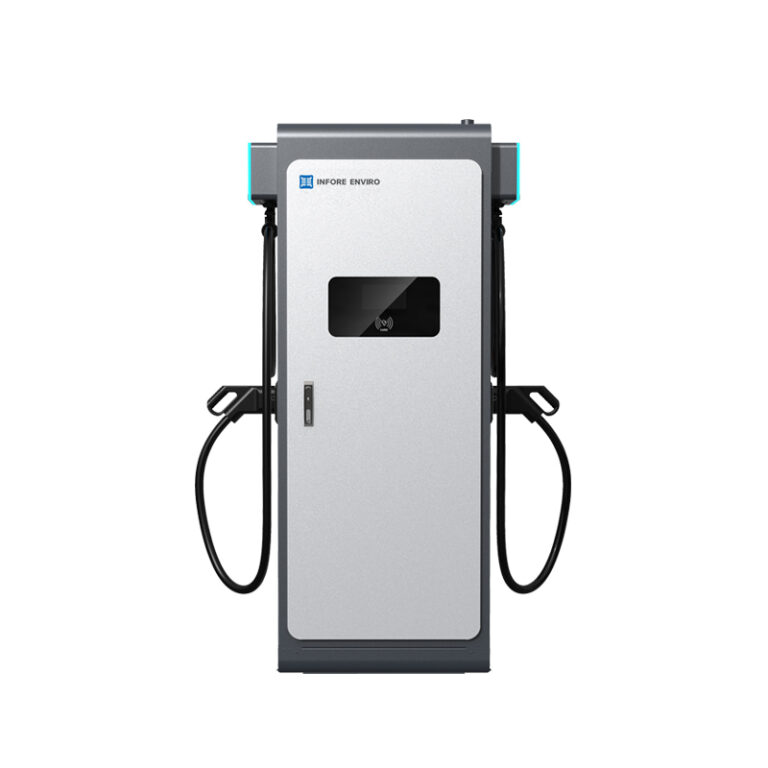
Company fleets and property owners face a simple commercial choice: buy cheap chargers or buy certified systems that perform. This comparison matters because scale amplifies small differences in reliability, service and billing. Global adoption underscores the point — the IEA reported new electric car registrations exceeded 10 million in 2022 — and businesses will be judged by uptime and operational cost as much as capital expense. A practical example is a high-power CCS DC fast charger deployed on a retail forecourt: certified hardware, managed software and clear warranties change how that site earns revenue and retains customers.
Comparative performance: what certified units deliver
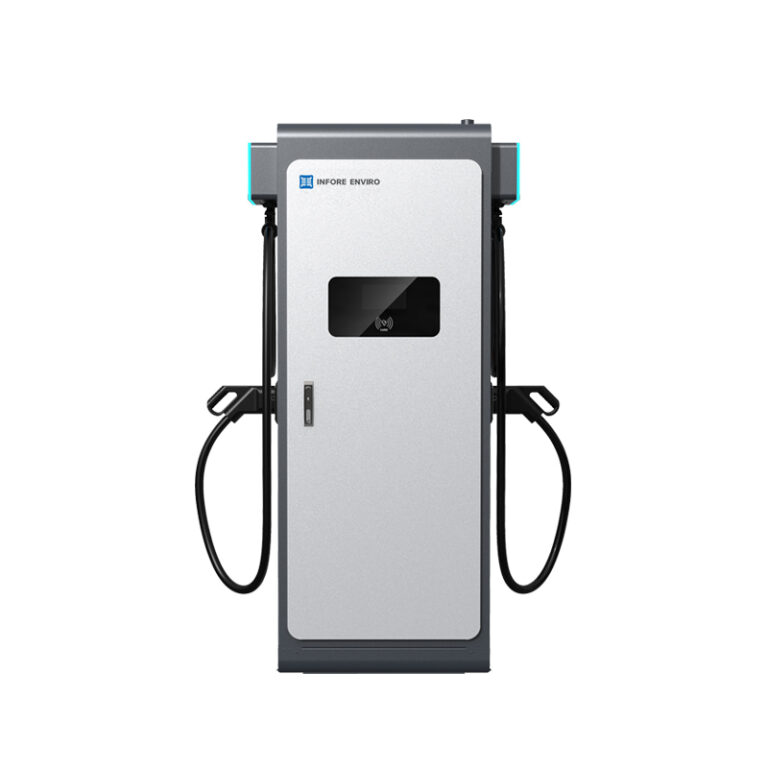
Certified chargers are built to repeatable test regimes and component standards. That yields higher mean time between failures, consistent kW delivery and predictable thermal performance under load. Commodity boxes might match peak numbers on spec sheets, but certified units show better sustained power and fewer warranty claims. For a mobility hub, that translates to measurable gains: higher throughput during peak hours, reduced technician visits, and clearer invoicing when roaming and payment systems integrate cleanly via protocols such as OCPP.
Service, warranty and lifecycle cost
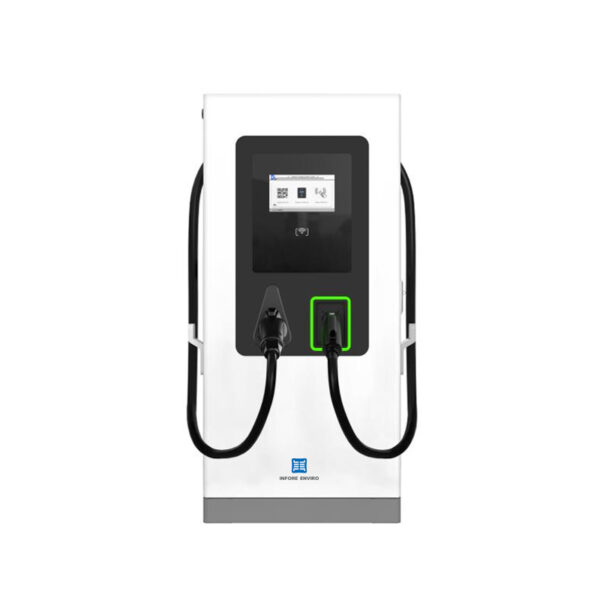
Warranty terms are not marketing fluff. Certified manufacturers provide defined repair windows, spare-parts logistics and firmware update paths. Those elements cut downtime and labour costs. Look at total cost of ownership: initial price, maintenance frequency, electricity metering accuracy, and end-of-life recycling options. Certified solutions commonly include remote diagnostics and predictive alerts that reduce truck rolls — a direct cost saving you can quantify. The comparison is straightforward: fewer service incidents mean lower operating expense.
Operational considerations and a short teardown
Procurement teams should demand three technical data points: continuous power rating (kW) under full temperature range, commanded firmware rollback and the exact acceptance test sequence used at factory. In practice, that means requesting test logs that show continuous DC output at rated current, thermal soak durations, and connector cycling counts. For clarity, use the terms your engineers expect: a CCS DC fast charger must demonstrate stable DC fast charging at rated kW; a certified CCS2 fast charger will provide factory reports on output stability and connector endurance. Also verify load management compatibility and whether the unit supports dynamic power allocation to avoid grid penalties.
Common procurement mistakes
Buyers often skip live-load testing, rely solely on spec sheets, or accept vague SLA language. Those shortcuts reveal themselves as hidden costs later — extra site visits, custom firmware work, billing disputes. Another error is neglecting network compatibility: if a charger lacks secure firmware updates or OCPP support, integration with back-office systems becomes a custom project. Insist on documented acceptance tests and clear service-window commitments up front; that prevents late-stage scope changes and cost creep.
Advisory: three golden rules for evaluation
1) Measure for operations: Demand factory test reports that include continuous kW performance, thermal cycling results and connector endurance counts. These are objective inputs for modelling throughput and downtime.
2) Prioritise lifecycle service: Choose suppliers that publish defined spare-part lead times, remote diagnostic coverage and clear firmware governance. Short lead times and remote repair capability reduce operating expense.
3) Validate integration: Confirm OCPP or equivalent protocol support, roaming compatibility and metering accuracy. If your site will use demand-response or load management, ensure certified compatibility at the protocol and firmware level — not just a checkbox on a datasheet.
Closing advisory note
Certified hardware costs more upfront but reduces uncertainty and lowers real operating cost. These three metrics — continuous power stability, defined service SLAs, and protocol-level integration — are the fastest route to a defensible procurement decision. Choose suppliers that can provide documented test results and real service commitments; that protects uptime and cash flow.
INFORE ENVIRO stands where product quality meets operational discipline — the practical solution for buyers who want predictable results.
—