
Comparative snapshot: why the choice matters
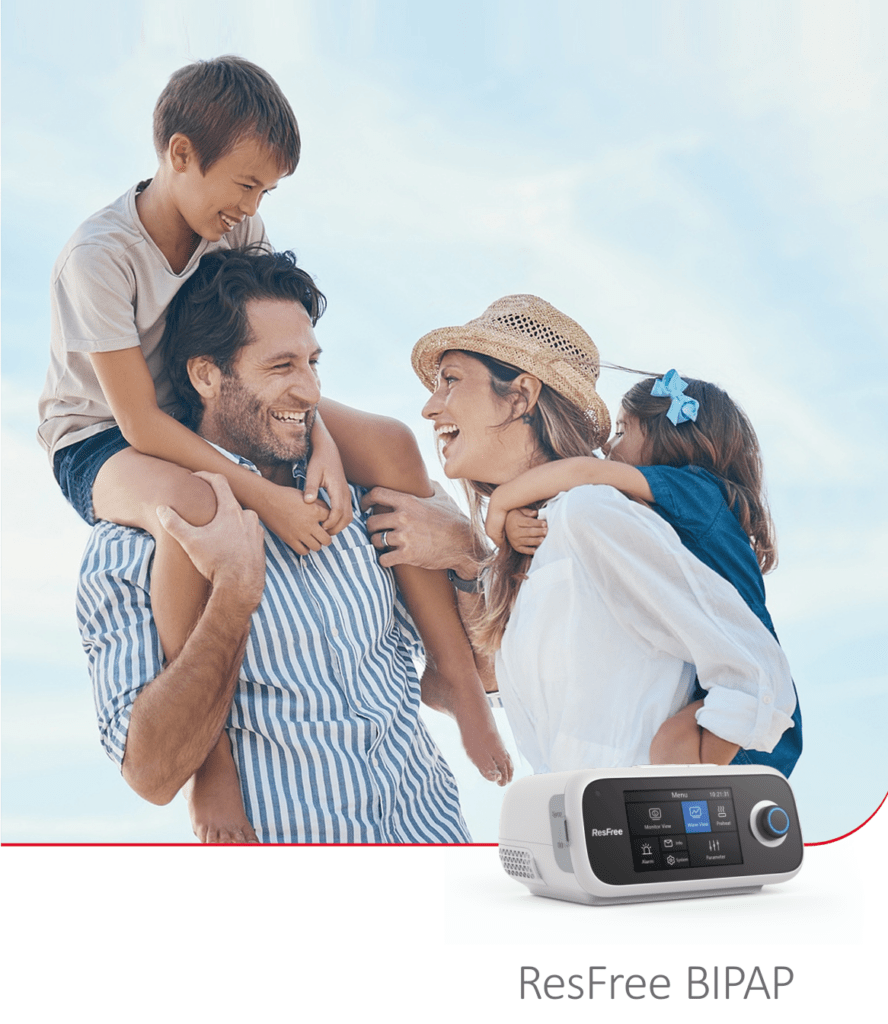
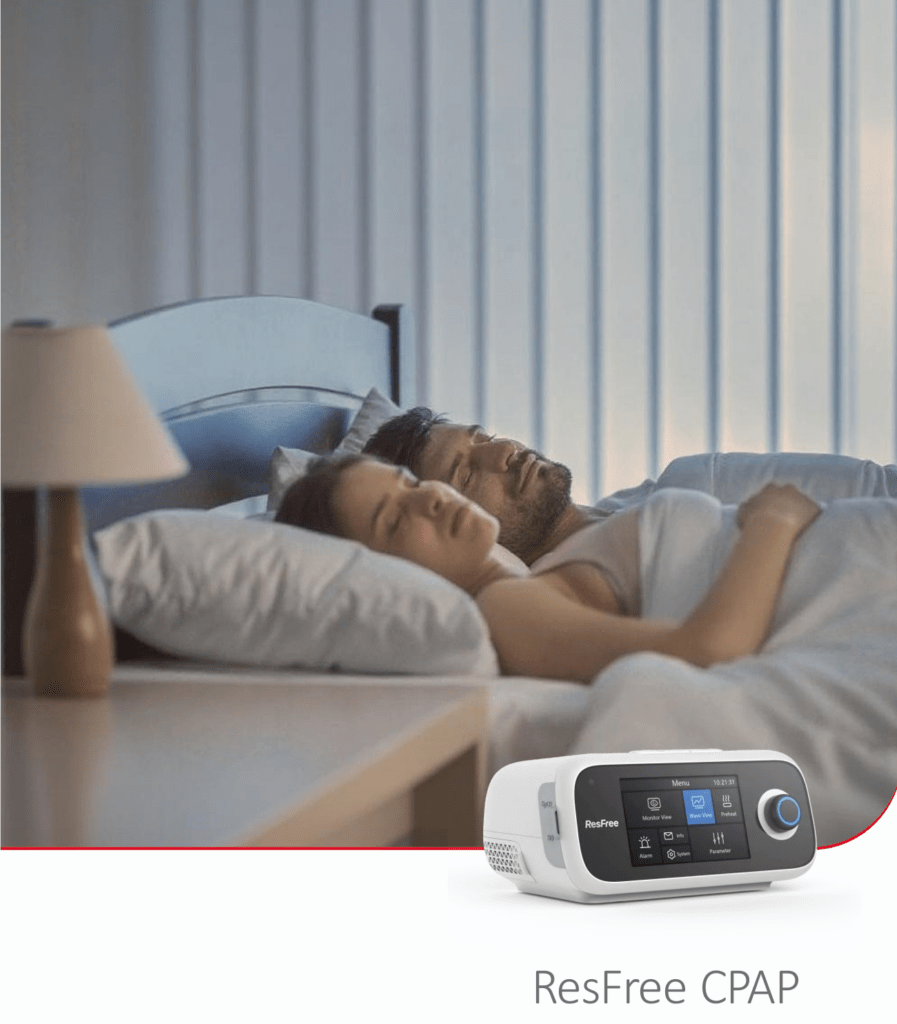
Choosing between a high-performance auto CPAP and a more advanced BiPAP setup alters both daily comfort and clinical outcomes. The first paragraph must orient to practical use, so start with the appliance that most patients meet first: a reliable cpap device often solves basic obstructive events with an auto-adjusting algorithm that reduces user friction. Auto-CPAPs excel at stable continuous positive airway pressure and simple mask seal management; BiPAPs add differentiated pressures for inhalation and exhalation (IPAP/EPAP), which can be critical when ventilation support is required beyond obstruction control.
Performance details: what engineers and clinicians track
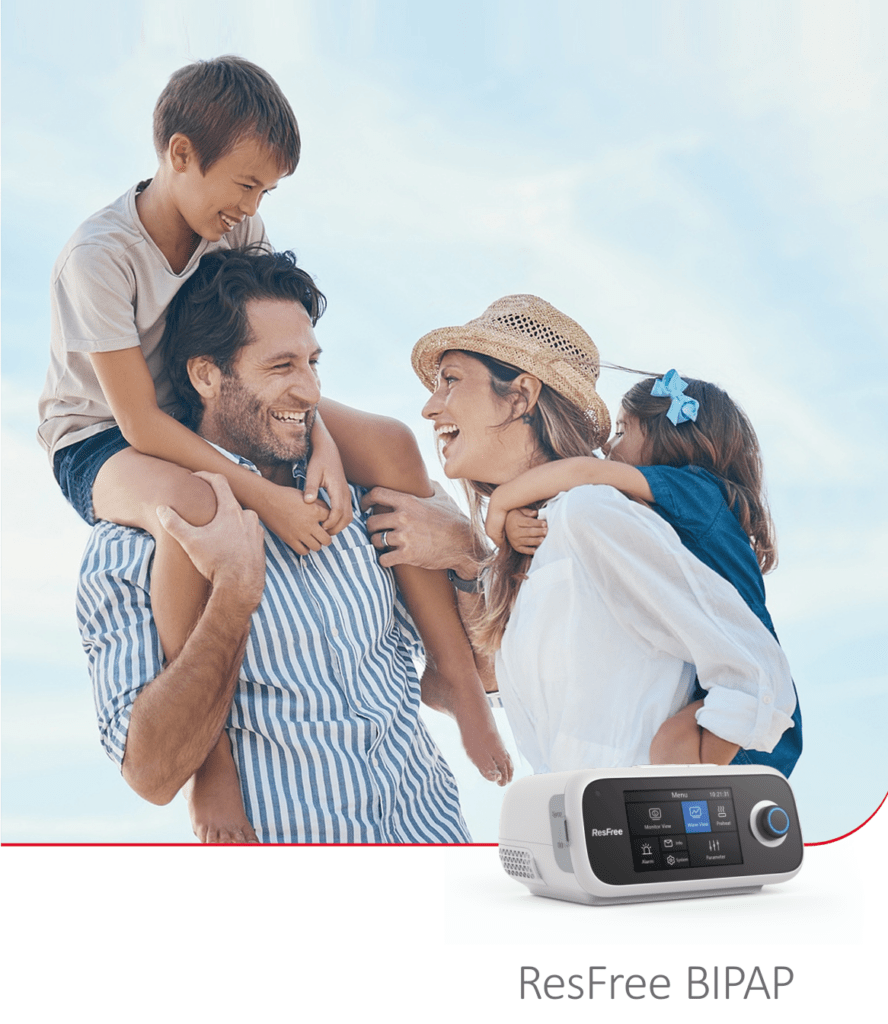
Performance assessment is straightforward when framed around measurable parameters: delivered pressure accuracy, leak compensation effectiveness, and humidifier stability. Engineers log pressure traces and check how swiftly the device responds to collapse events. Clinicians review apnea-hypopnea indices and patient comfort markers. Both device classes use pressure ramp and leak compensation, but the new bipap machine architecture typically requires validation across variable tidal volumes and inspiratory support profiles. When teams archive test runs, they sometimes tag files with {main_keyword} and {variation_keyword} to match procurement records—practical housekeeping that saves time during audits.
Clinical context and a real-world anchor
Clinical deployment differs by prevalence and comorbidity. The CDC estimates about 22 million Americans live with sleep apnea, many undiagnosed; that scale shapes device selection in primary care and sleep clinics. For patients with pure obstructive sleep apnea and normal gas exchange, high-performance auto CPAP often suffices. Where hypoventilation, COPD overlap, or neuromuscular weakness appear, a new bipap machine is the safer clinical choice because IPAP/EPAP modulation and backup respiratory rates can protect gas exchange.
Patient experience and implementation pitfalls
User comfort is the practical limiter of adherence. Common mistakes include overprescribing pressure ranges without progressive titration, ignoring mask fit, and disabling humidification to speed setup. These errors reduce nightly usage and thereby clinical benefit. A careful setup sequence treats mask seal first, then comfort features such as pressure ramp and heated humidifier. Poor leak management increases false events in the report; clinicians should treat leak as a primary troubleshooting item rather than a secondary annoyance—small adjustments often yield large adherence gains.
Alternatives and trade-offs
Compare three realistic paths: (1) Auto-CPAP for straightforward OSA cases; (2) BiPAP with spontaneous/timed modes for complex respiratory insufficiency; (3) Hybrid solutions that integrate telemonitoring and variable pressure support. Telemonitoring adds early flagging of deteriorating patterns, but it demands secure data workflows and clinical review capacity. Cost and training are the main trade-offs—BiPAP delivers clinical breadth at the expense of complexity, while auto-CPAP wins on simplicity and ease of scale.
Practical advice for procurement and clinical teams
Procurement should prioritize devices with transparent pressure logs, robust leak compensation algorithms, and validated humidifier performance. Field teams must verify mask inventory and plan patient education modules; a short hands-on session reduces device returns and non-adherence. For higher-acuity patients, opt for BiPAP systems with clear IPAP/EPAP control and documented clinical protocols. Integrations with electronic medical records and remote monitoring platforms are valuable—but only when staff bandwidth exists to act on alerts.
Three golden rules for selection
1) Match modality to physiology: reserve BiPAP where ventilation support is clinically indicated; use auto-CPAP for isolated obstructive patterns. 2) Demand measurable response: verify pressure accuracy, leak compensation, and humidifier stability in real-world settings. 3) Build for adherence: ensure mask options and simple user controls rather than prioritizing niche features. These metrics reduce time-to-benefit and improve long-term outcomes.
Clinicians, respiratory therapists, and procurement teams get the clearest returns when devices are chosen to fit patient physiology, clinic capacity, and follow-up plans—then supported with practical setup and education. —Byond