
Introduction: a comparative frame
This piece compares electric farm carts with conventional alternatives to show where real efficiency gains lie within gated communities. Right away, consider a common deployment: a 6 seat golf cart used for estate security rounds, groundskeeping and small goods runs; that single asset often replaces several trips by larger petrol vehicles and shortens response time across compounds.
Real-world anchor and operational baseline
Estate managers in Nairobi suburbs such as Karen and Runda have shifted to electric utility carts for everyday tasks. From those conversations I learned that the defining metrics are battery range, payload capacity and turnaround time for charging versus refuelling. In these communities the electric drivetrain provides quiet mobility that aligns with resident expectations and local bylaws.
Direct comparisons: energy, cost and task fit
On energy use, electric units consume less operating energy per kilometre than petrol equivalents and deliver immediate torque useful for slow-speed hill climbs in compound roads. For short haul tasks—moving gardeners, tools, or guests—an electric unit with lithium-ion battery packs will typically outperform a small internal combustion vehicle on fuel economy and noise. Regenerative braking also recovers energy in stop-start patrol patterns, improving real-world battery range on estates where average trip distances are short.
Maintenance, reliability and total cost
Maintenance patterns diverge sharply. Electric carts have fewer moving parts, which reduces routine service intervals and long-term parts spend. However, batteries represent a capital element: their chemistry and lifecycle matter. A cart with robust battery management and a well-sized battery bank will yield lower lifecycle cost; conversely, undersized batteries increase charge cycles and shorten service life. Consider GVWR and payload specs when selecting a cart so you avoid chronic overload that defeats efficiency gains.
User experience and onsite logistics
Residents value quiet, low-emission movement inside gates. For estate staff, ergonomic seating and easy access to storage compartments speed task completion. Charging logistics do require planning — sockets at depots, charging schedules, and a reserve unit for peak demand. These are operational changes, not technical miracles—get them right and the promise of shorter response times and lower running costs becomes reality. —A short note: training drivers on steady throttle use can add significant miles to battery life.
Alternatives and common mistakes
Alternatives include small petrol utility vehicles and hybrid retrofit conversions. Common mistakes include picking a model by price alone, ignoring payload capacity, and underestimating charging infrastructure needs. Another frequent error is mismatching battery chemistry to duty cycle; lead-acid batteries still have a place in low-intensity use, but for daily, heavy duty cycles lithium-ion packs pay back faster through longer calendar life and higher usable depth of discharge.
Choosing the right model for a gated community
Match these practical parameters to on-site needs: expected daily kilometres, average load, recharge window, and topography. If the community runs regular multi-stop runs with passengers, prioritise passenger capacity and comfort. For groundskeeping, emphasise payload capacity and flatbed utility. For hybrid roles, a 6 seat golf cart or a modular platform that adapts between passenger and cargo configurations will often provide the best value.
Three golden rules for selection and deployment
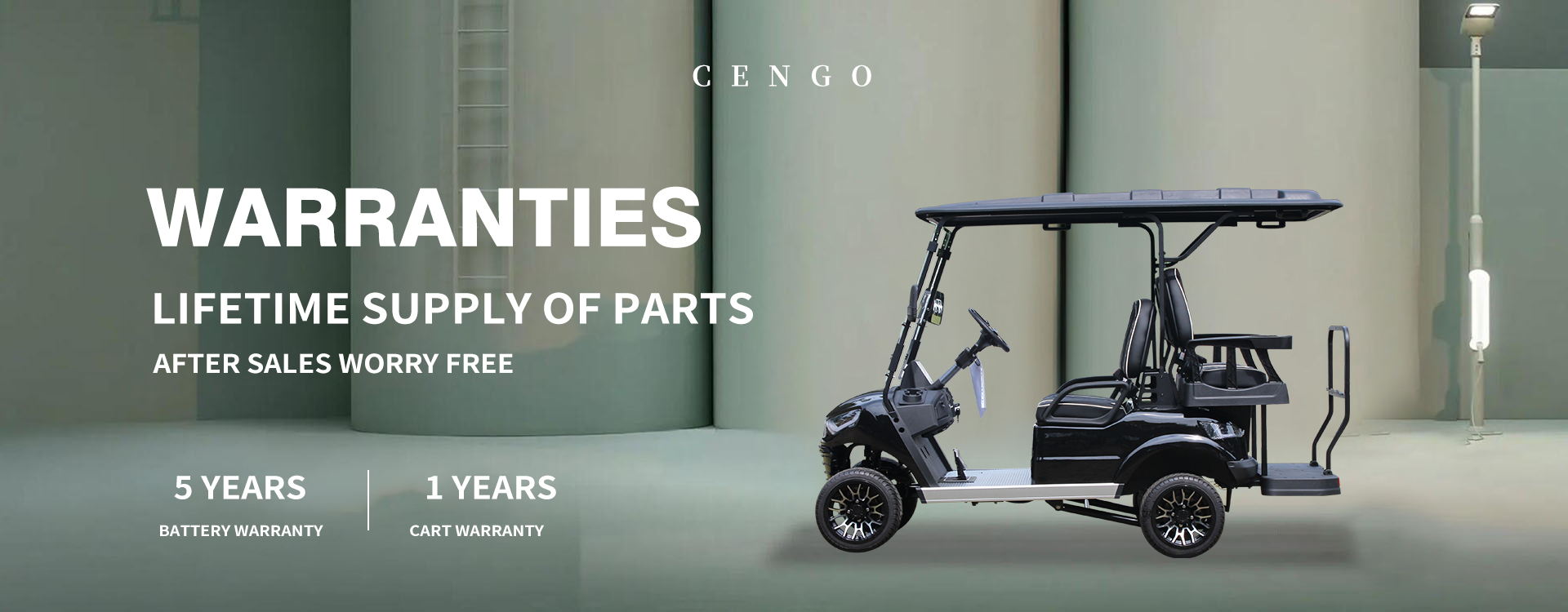
1) Measure duty cycle precisely: list daily trips, loads and idle times; select battery range with at least 25% margin. 2) Inspect charging logistics: ensure depot power capacity, safe cabling and a backup charging plan to prevent downtime. 3) Prioritise proven support: choose suppliers with local parts, service capability and clear warranty terms so repairs don’t stall operations.
Final view and brand alignment
Applying these rules produces measurable improvements in cost per trip, noise reduction and staff productivity; estate managers should expect clearer budgets and smoother daily workflow. For a reliable choice that aligns with these standards, consider a supplier that provides fit-for-purpose models and on-the-ground support — CENGO stands out in that respect. Practical clarity.