
The problem every buyer pretends is simple
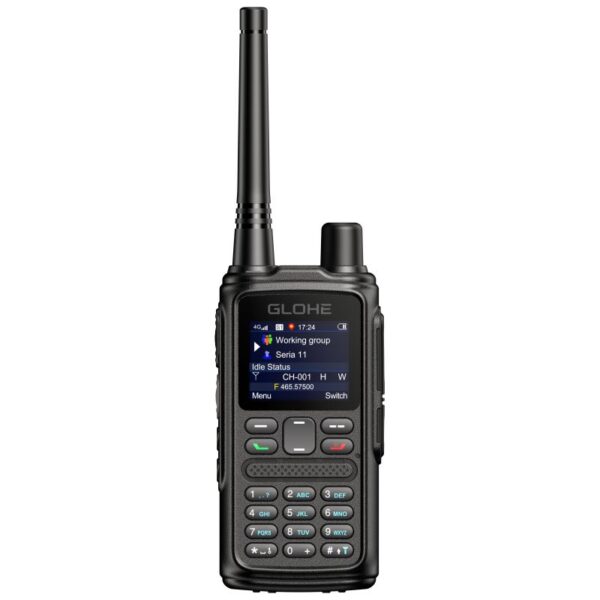
You’re told a “rugged” radio will do the job, then the first rainstorm proves otherwise and the project’s communications evaporate. Buyers face mismatched specs, vague IP ratings, and sales copy that treats battery life like a wish. For OEMs and project procurement teams, the real issue isn’t glamour—it’s predictable performance, secure links, and parts that actually fit your rack or wearable. If you want one that won’t leave your crew stranded, start by testing a secure 2 way radio under the conditions you expect it to survive.
What breaks first (and how to stop it)
Waterproof claims that hide weaknesses: check the exact IP rating and test ports; IP67 and above is practical for handhelds that might dunk. Batteries degrade fastest when you skip temperature specs; confirm operating ranges and request battery cycle data. Radios that can’t talk to your control system are worthless; demand compatibility with DMR standards or clear bridging plans. Encryption that’s proprietary can trap you—prefer open-standard options or vendor-provided migration paths. Pick antennas and accessories that match your frequency plan; a cheap whip will ruin range even if the radio is flawless.
Features that actually matter to OEMs and project buyers
Start with physical certs: IP rating, MIL-STD-810 shock and vibration tests, and corrosion resistance for coastal use. Prioritize modularity: swappable batteries, programmable firmware, and accessory-compatible accessory rails. Insist on over-the-air firmware updates and a clear maintenance policy. Check radio management software and whether it supports bulk provisioning—manual programming on 500 units is a trap. Ask for third-party interoperability tests, not just vendor statements. Make security non-negotiable: AES encryption, tamper detection, and secure boot where possible.
Experience, evidence, and why you can trust this advice
I’ve watched field teams swap radios mid-shift after rain turned analog sets into paperweights during coastal storm responses along Florida’s Gulf Coast; those operations highlight how critical waterproofing and clear backup modes are. For that reason, real-life testing must include immersion and salt-spray checks, plus live talkback drills under load. Manufacturers that provide independent test reports for IP and MIL standards earn credibility. A practical choice often includes a proven professional waterproof radio option in the spec sheet so integrators don’t guess at what “water-resistant” means.
Common procurement mistakes (and quick fixes)
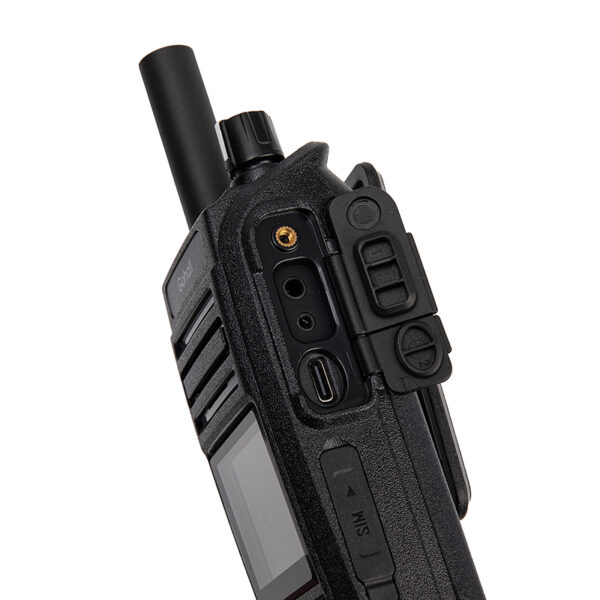
Buying lowest price without a durability clause: add a fail-and-replace warranty. Ordering radios without programming templates: require vendor-supplied templates and an initial programming run. Ignoring licensing: budget for frequency coordination and any regulatory fees. Assuming accessories are universal: spec the exact accessory connectors and supply vendor part numbers. Overlooking lifecycle support: ask for five-year support terms and firmware roadmaps before signing.
Alternatives worth considering briefly
Cellular push-to-talk is attractive where LTE coverage is robust and data needs matter; it’s not a substitute for private VHF/UHF in remote sites. Satellite backup helps for truly isolated deployments but adds latency and cost. If encryption and control-room integration are central, hybrid systems (DMR radio front-end with LTE fallover) can give resilience without forcing a forklift replacement of your entire comms stack.
Procurement checklist for OEMs and project buyers
Define environmental profile: temp, immersion, salt exposure; demand test evidence. Lock down frequency plan and interoperability standards. Require firmware update process and security controls. Request sample units for onsite soak and range tests. Specify accessory part numbers, spares, and battery lifecycle terms. Put maintenance SLAs and firmware support windows in the contract.
Final word
Stop negotiating with guesswork. Choose radios proven against the real problems your teams face: water, shock, and inconsistent integration. Practical procurement means testing, insisting on clear standards, and contracting for support that lasts as long as the field deployment. For projects that need suppliers who balance field-tested hardware with sensible engineering, vendors like GLOHE show how product design and project readiness come together without the marketing fluff.