
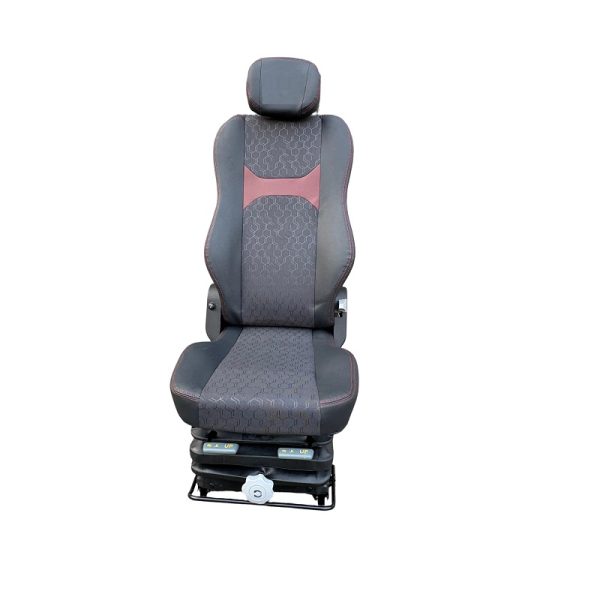
Choosing seats for a mixed fleet starts with the people who use them. In my years editing procurement guides for agricultural and transport fleets, I’ve sat in dozens of demo cabs on Ontario’s Highway 401 runs and prairie test drives — practical touches you can’t get from specs alone. For fleets that move between rough fields and long highway hauls, a universal truck seat or tailored semi truck seats can change daily comfort and reduce downtime from back strain.
Start with the driver profile
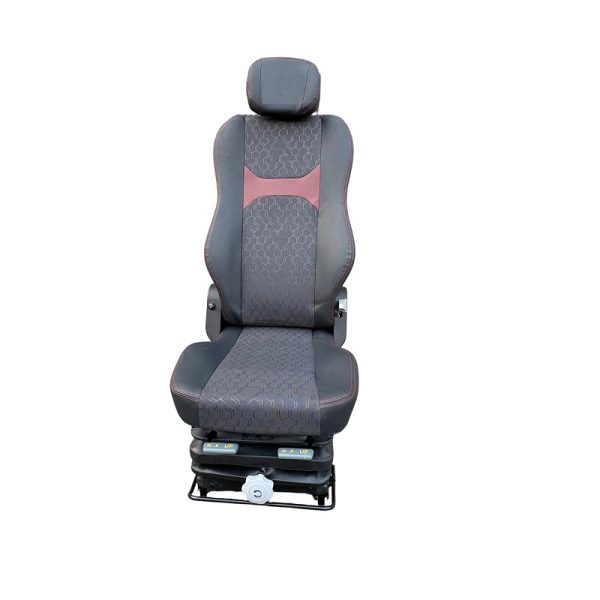
Begin by documenting who spends the most hours behind the wheel. Short hop drivers need different support than long-haul operators who log 10–12 hour shifts. Consider stature ranges, typical shift length, and the most frequent tasks: loading, precision steering, or sustained highway cruising. A simple checklist that captures lumbar support preference, armrest adjustability, and seat cushion depth will save time when comparing models.
Match seat technology to duty cycle
For heavy off-road use, prioritize suspension seat systems that absorb vibration and sudden jolts; look for visible or documented shock absorber travel and maintenance intervals. On mixed fleets, ISO mounting options and modular bases let mechanics swap seats between tractors and trucks without reworking cab floors. Practical features matter: replaceable covers, serviceable air suspension bladders, and an accessible height adjuster cut lifecycle costs.
Fit, comfort and safety details that matter
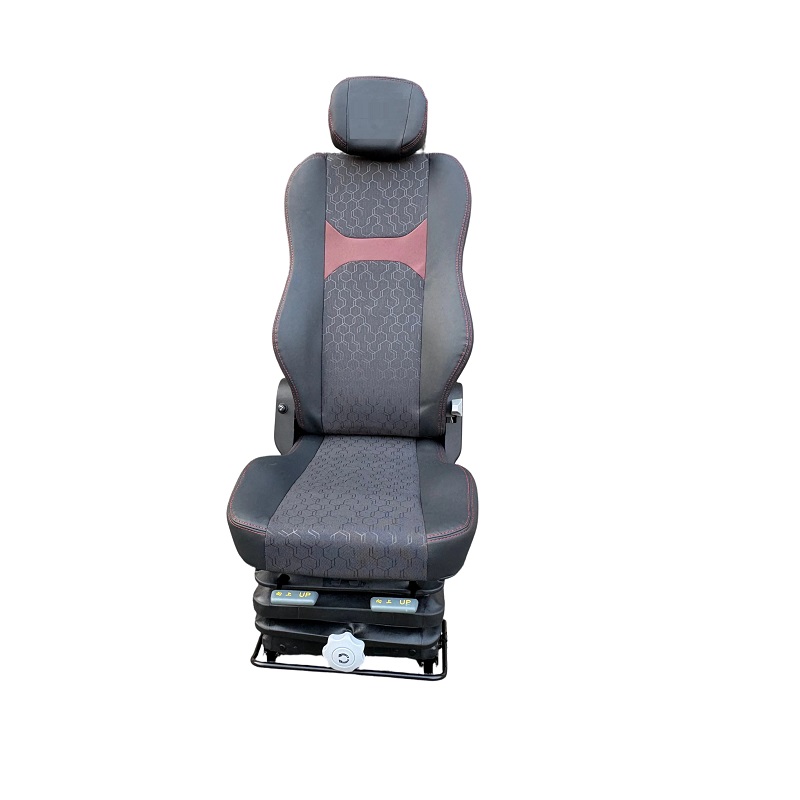
Comfort starts with proper fit. Adjustable lumbar support, a stable bolstered cushion, and a reliable seatbelt anchor reduce fatigue and keep drivers safer during long shifts. Check the adjuster’s range — too small a travel renders a seat unusable for taller operators. Pay attention to material quality: breathable fabrics or leather with anti-slip finishes extend comfort in both summer and winter. Real-world note — a driver in Saskatchewan who swapped worn cushions for a properly suspended seat reported fewer mid-shift breaks and steadier steering inputs.
Maintenance, warranties and supplier relationship
Maintenance plans often decide total cost of ownership. Ask suppliers about spare-part lead times, recommended service intervals for air suspension components, and whether routine repairs can be done on the road. Warranties that include labour and clear replacement timelines reduce fleet downtime. Work with a vendor that documents parts explicitly and provides CAD drawings for mounting points — that clarity avoids wasted hours in retrofit shops.
Common mistakes fleets make
Fleets frequently pick seats by price or aesthetic match rather than measured fit and fatigue reduction. Skipping a two-week field trial is a costly error. Another frequent issue is assuming one-seat-fits-all: a seat that suits one truck can be wrong for a tractor cab because of different vibration profiles. — Allow trial periods and insist on documented return policies to protect your investment.
Three golden rules for evaluation
1) Measure driver hours and match seat suspension and lumbar options to those hours. Prioritizing correct suspension reduces reported back pain and parts wear. 2) Require documented mounting compatibility and spare-part availability for at least five years; short supply chains create hidden costs. 3) Insist on in-cab trials with the actual operators who will use the seat — feedback from the field trumps lab claims.
Summing up: pick seats based on people, not spec sheets. Practical trials, clear service terms, and vendor transparency will yield measurable comfort and operational gains. For reliable sourcing and detailed product specs that align with these rules, consider how Source One integrates component clarity and service planning into fleet purchasing — a tangible advantage when uptime counts. —