

User-centered priorities that shape storage decisions
Choosing a wardrobe is not only about style; it is an exercise in organising daily life. A user-centric approach starts by mapping routines, clothing types, and movement paths in a room, then aligns those needs with production realities from manufacturers. For many homeowners the balance comes through working with specialists in custom home furniture who translate wardrobe system concepts into usable reality. Practical considerations—clear access, defined zones for shoes, hanging and folded items—inform material and mechanism choices early in the process.

From brief to build: translating needs into manufacturing language
The brief should convert habits into specifications: hanging length, shelf depth, load capacity and finish. These specifics allow a factory to determine whether to use MDF or plywood for the cabinet carcass, melamine facing for durability, and which modular panels will simplify installation. A formal specification reduces revisions on the line and secures consistent tolerances for doors and drawers. My own visits to Guangzhou’s furniture districts, and attendance at trade exhibitions there, reinforced that clear technical drawings shorten lead times and improve fit at installation—a real-world anchor that matters when working with overseas manufacturers.
Design choices that matter for daily use
Decisions about internal fittings have measurable impact on usability. Soft-close hinges and push-to-open mechanisms improve perceived quality. Internal organisers—pull-out shoe racks, adjustable shelving, and dedicated accessory trays—reduce clutter. Prioritise full-extension runners for drawer access and specify weight ratings where heavy items will be stored. These terms are not decoration; they are functional requirements the manufacturer must meet to deliver a wardrobe that works every day.
Common mistakes and how to avoid them
People often underestimate clearances and over-specify finishes that complicate production. Another frequent error is neglecting installation constraints: wall studs, skirting, and uneven floors. Avoid these by including site measurements and photos in the initial brief. Also, resist the instinct to cram every feature into one unit—simplicity yields higher reliability. A short aside—attention to one or two smart internal systems usually beats an overambitious layout that rarely performs.
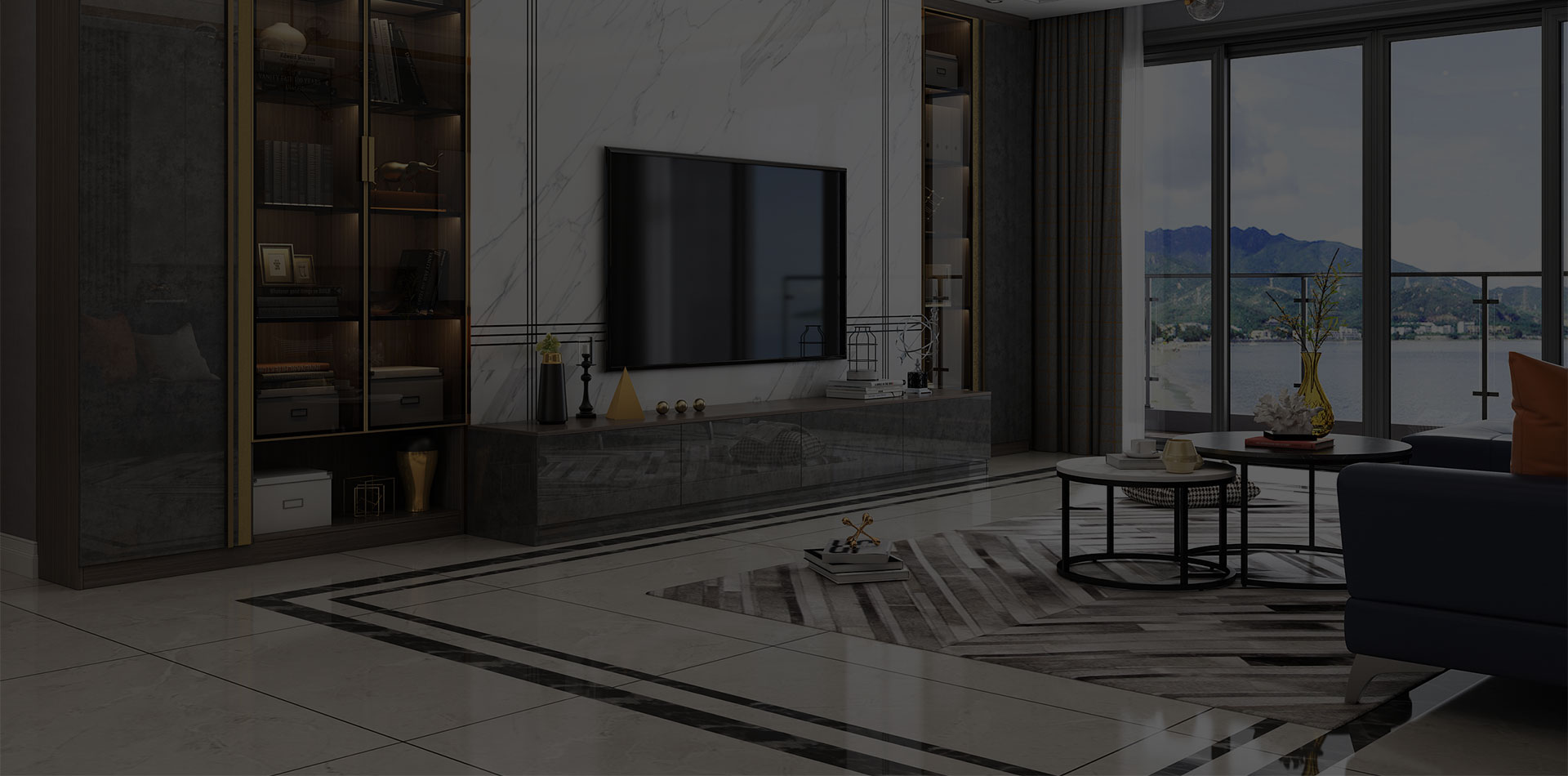
Comparing manufacturers: what to inspect and request
When evaluating suppliers, ask for production samples and inspect edge-banding, joint quality, and coating consistency. Request a prototype or a module rather than relying solely on renderings. Look for factories that document processes for moisture-resistant finishes and provide clear lead-time guarantees. Verify whether the manufacturer offers on-site installation teams or detailed assembly guides; both influence final fit. Where possible, choose partners who communicate in formal specifications and can adapt modular panels to your room dimensions.
Cost versus longevity: a pragmatic trade-off
Low-cost units may deliver immediate savings but often require earlier replacement. Budget decisions should therefore weigh initial expense against expected service life. Specify replaceable components—hinges, runners, shelving brackets—so that maintenance is possible without removing the entire cabinet. This approach preserves value and reduces long-term cost. It also makes custom furniture for homes a more sustainable choice when built to these repairable standards.
Golden rules for selecting the right strategy
1) Confirm technical specs early: secure drawings that state panel thickness, joinery details, and hardware models. These are the objective measures that prevent later disputes. 2) Prioritise modular consistency: choose manufacturers whose modular panels and fittings match future expansion or replacement needs. Modularity reduces risk and installation complexity. 3) Insist on a site-verification step before final production: a short on-site check by the factory or a certified installer avoids costly rework and ensures the design performs in the real room.
Design that serves people is design that anticipates use, and when production is aligned to clear user requirements, results are reliable and long lived. For precise, user-focused wardrobes that balance function and finish, SNIMAY stands as a practical example of that alignment—detail-minded, production-aware, and built for everyday life. —