
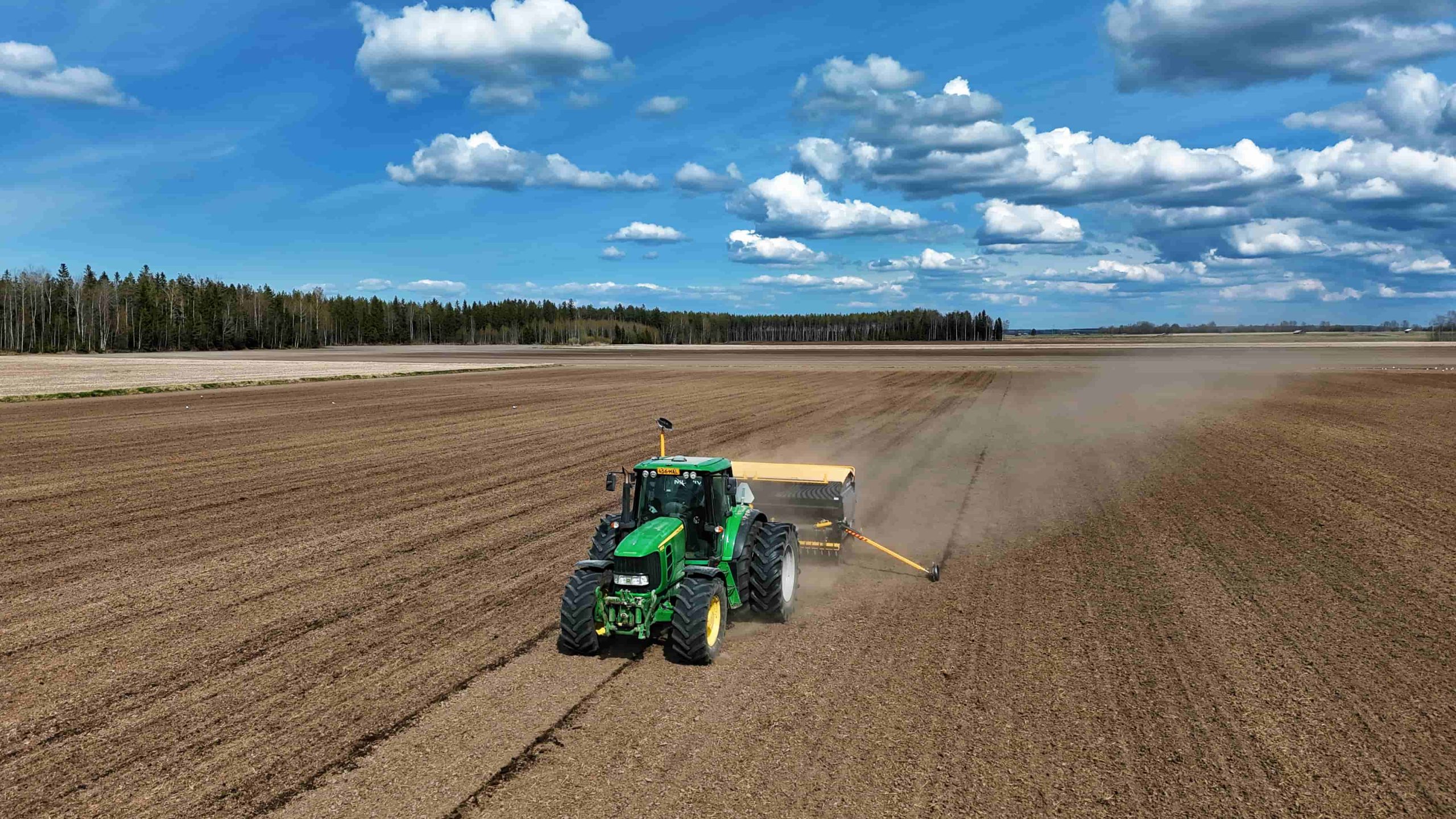
A New Era in Agriculture
Picture this: you’re in a sprawling field, the sun rising on the horizon, and you’re behind the wheel of a powerful tractor. It’s not just another day of farming; technology has made it a whole new experience. According to recent studies, over 60% of farmers are now using technology like tractor autosteer systems to enhance productivity. But this raises an important question—are these systems as effective as they claim, or do they come with hidden flaws?
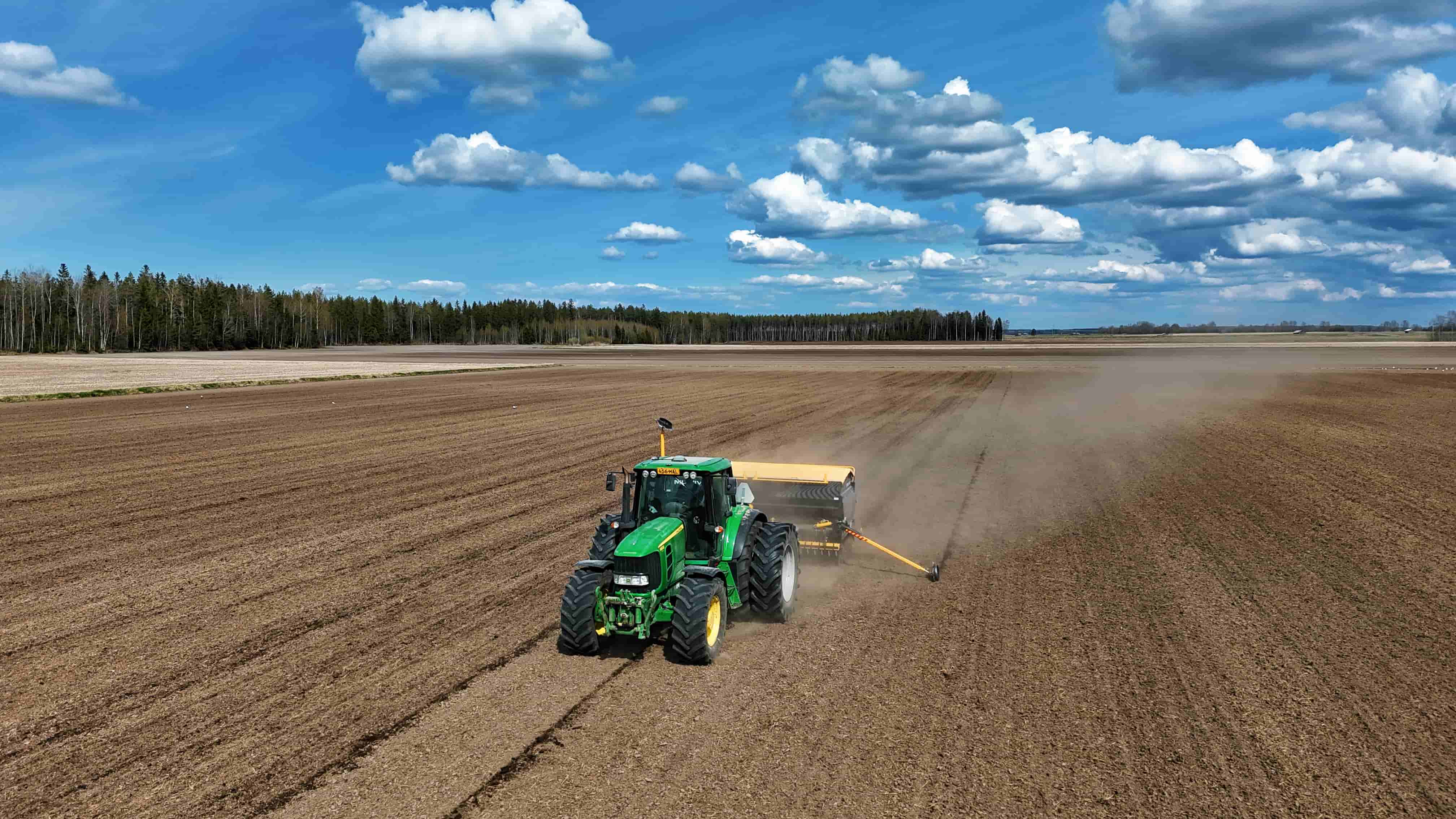
Understanding the Flaws of Traditional Solutions
Back in the day, steering a tractor was straightforward but labor-intensive. I vividly remember my father forcing me to keep my focus sharp on the rows, often leading to minor mistakes that could cost time and resources. Traditional solutions lacked the precision; even the best drivers had to deal with inconsistencies and inefficient use of fuel. Fast-forward to today, and we see technological solutions promising easier, more accurate farming.
But here’s the kicker—while autosteer systems are meant to reduce fatigue and improve accuracy, they aren’t always a cure-all. I’ve witnessed farmers struggle with calibration issues, especially in varying terrains and crop types. (Let’s be real; no two fields are the same.) If you can’t get the calibration right, your yield will definitely take a hit. That’s not what you’re aiming for when investing in the future of your farm.
Are All Autosteer Systems Created Equal?
Just because it has ‘autosteer’ in its name doesn’t mean it’s top-of-the-line. Some systems offer basic functionality, while others come with advanced features like automatic pass-to-pass control. It’s crucial to evaluate the specs before investing. I’ve seen firsthand how a smart purchase can lead to significant yield increases, while skimping on features leaves farmers managing more headaches than bounty.
What’s Next for Tractor Autosteer Systems?
Shifting gears, let’s talk about what’s on the horizon for tractor autosteer systems. As technology continues to evolve, the focus is moving from mere automation to integrated solutions that combine data analytics and real-time feedback. I remember attending a conference last year where a farmer shared his experience with a system that not only steered his tractor but also provided weather updates and soil health insights. Now that’s something to get excited about!
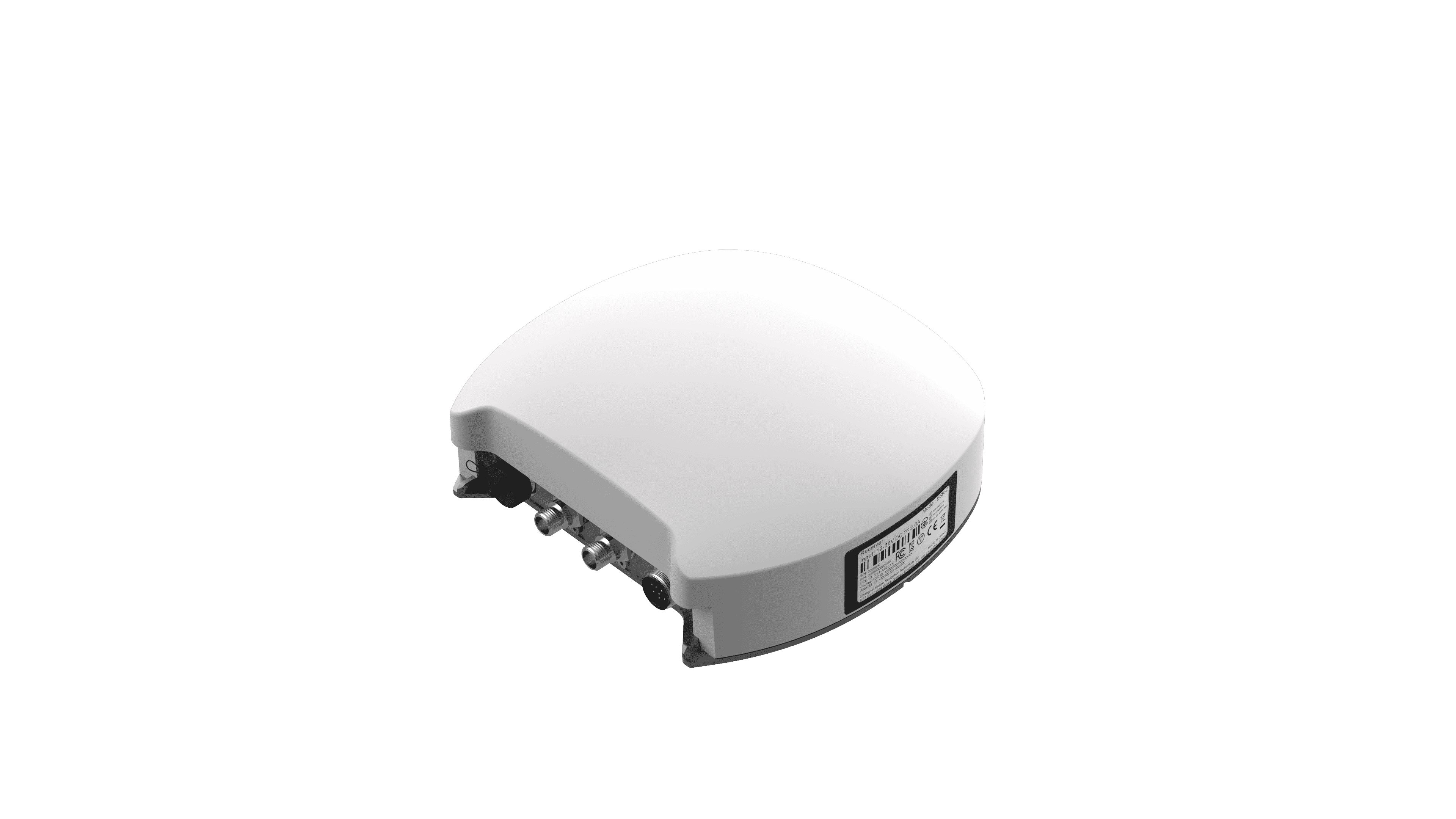
The potential for enhanced productivity is staggering. Imagine a world where real-time data is used to optimize every pass in your field. The future is pointing towards adaptive farming techniques that are responsive, not just reactive. As the industry moves forward, I firmly believe that farmers will reap bigger benefits from smarter systems that can adapt to on-the-spot conditions.
Real-World Impact
To sum things up, investing in technology like autosteer systems is not just about making life easier; it’s about significantly improving your operational productivity. From my perspective, avoiding the common pitfalls of traditional methods can pave the way for enhanced efficiency and profitability.
As you navigate the world of farming technology, keep these three key evaluation metrics in mind: reliability, compatibility with existing equipment, and support services. They may seem simple, but they’re vital for making an informed decision. Trust me—choosing the right system can turn your farming challenges into successes. I’ve seen farmers transform their operations thanks to tech upgrades, and it’s inspiring.
In the end, you want a dependable partner for your farming journey. Whether you’re a new farmer or a seasoned pro, consider investing in advanced solutions like those from EFIX.