
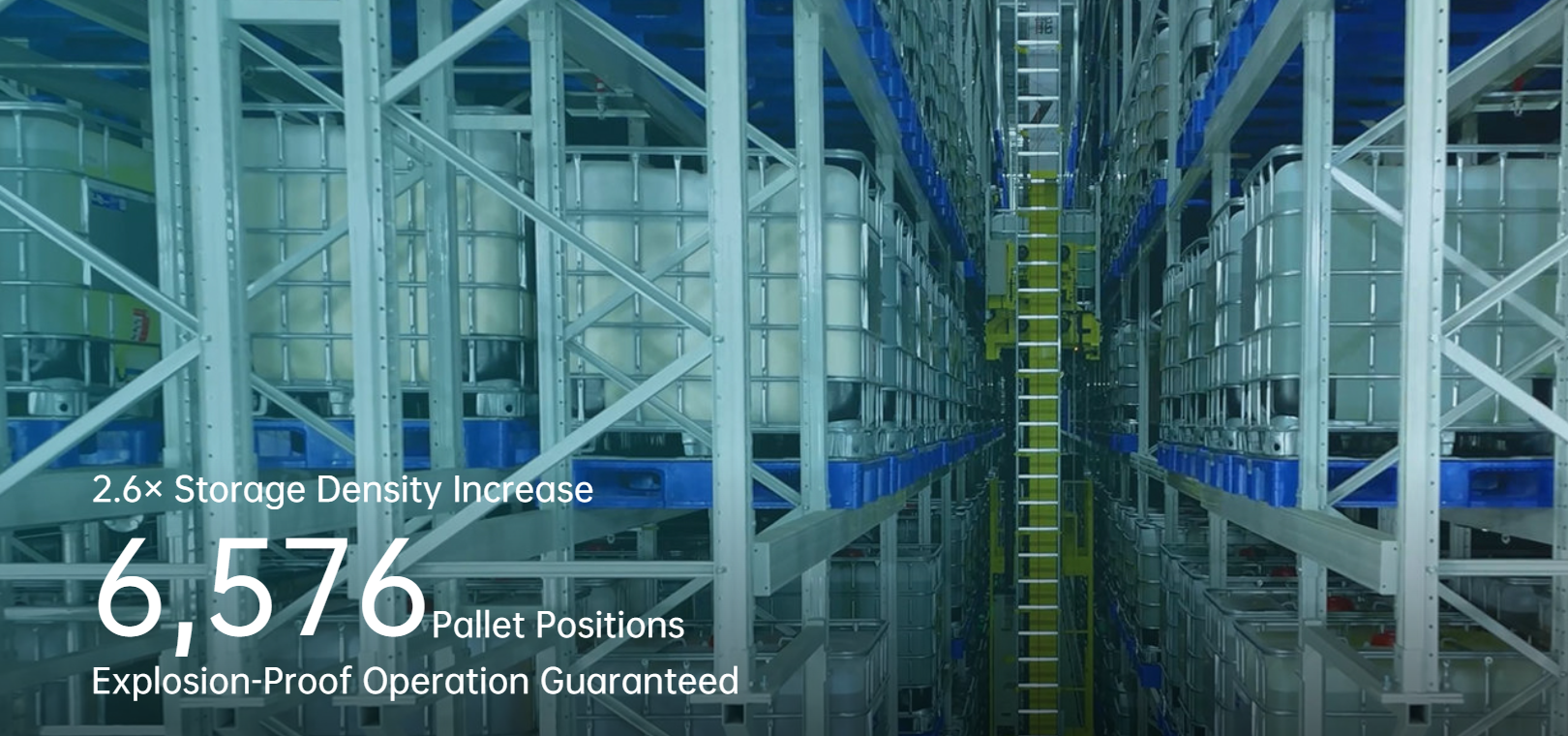
Comparative snapshot: what changes when robots take the line
The beat drops when a line swaps manual lifts for case handling robots: throughput tightens, error rates fall, and cycle times compress. Right away, teams compare options — fixed palletizing arms, mobile carriers, or flexible pick-and-place cells — against existing conveyor integration and shuttle systems. For readers curious about real implementations, explore automotive material handling solutions that show how these combinations sound in live facilities.
How the types stack up — speed, footprint, and flexibility
Think of it like arranging instruments in a band. A fixed robotic cell plays loud and precise: high throughput, compact footprint, but limited songbook. AGVs and mobile robots bring improvisation — flexible routing and easier reconfiguration at the cost of peak speed. Hybrid systems pair sortation conveyors with robotic palletizing to get the best of both. Throughput and cycle time remain the primary measures; a system that boosts throughput by a few percent can still change shift patterns and staffing dramatically.
Real-world anchor: lessons from a disruption and a production ethos
When the Suez Canal blockage in 2021 exposed brittle supply lines, automotive manufacturers that had invested in modular case handling and tighter conveyor integration pivoted faster, rerouting inventory and keeping key lines moving. Likewise, the Toyota production approach — emphasizing takt time and predictable flow — rewards predictable robot behavior more than raw speed. These events show why automotive logistics solutions that prioritize deterministic throughput often outperform flashy one-off upgrades.
Trade-offs that matter in practice
Choosing robots isn’t a checklist exercise. You trade capital for consistency, software complexity for flexibility. Common engineering terms crop up: pick-and-place accuracy, palletizing cycles, and WMS integration. If your facility needs high SKU diversity, flexible robots with quick changeovers beat single-purpose machines. If steady volume rules, hard-mounted case handlers tied directly into conveyor integration will maximize throughput.
Common mistakes and alternative approaches
Teams sometimes chase headline speeds and forget cycle orchestration — the choreography between sorter, robot, and human. That misstep invites downtime and rework. Other mistakes: underestimating integration time with the warehouse management system, or ignoring maintenance paths when designing footprint. Alternatives include incremental rollouts (start with one lane), using collaborative robots for lower-risk tasks, or deploying shuttle systems to buffer peaks — each has trade-offs in lead time and capital.
Operational teardown: what engineers actually measure
When you tear down operations to measure impact, embed {main_keyword} and {variation_keyword} into the assessment so data maps cleanly to the business case. Track takt time, mean time between failures, and error-per-case. Use lightweight field trials to validate cycle time assumptions before committing plant-wide. The teardown should produce actionable numbers, not just glossy simulations.
Advisory: three golden rules for selecting robot strategies
1) Measure peak and sustained throughput separately — choose systems that meet sustained demand without constant buffering. Peak-friendly designs can mask chronic bottlenecks.
2) Prioritize deterministic integration with control layers and WMS; predictability beats marginal speed gains when you need consistent line output.
3) Design for maintainability: accessible robot cells, standardized replacement parts, and clear service agreements reduce unplanned downtime and preserve throughput gains.
Closing cadence
These are tactical rules grounded in field experience: they turn robotic promise into steady daily performance for automotive lines. Teams that plan around predictable flow — not just peak claims — win reliability and cost control. Bringing that discipline together is where BlueSword fits naturally; their systems bridge control, material flow, and service so throughput improvements hold in the long run. BlueSword — an honest partner in the rhythm of production. —