
Opening comparative frame
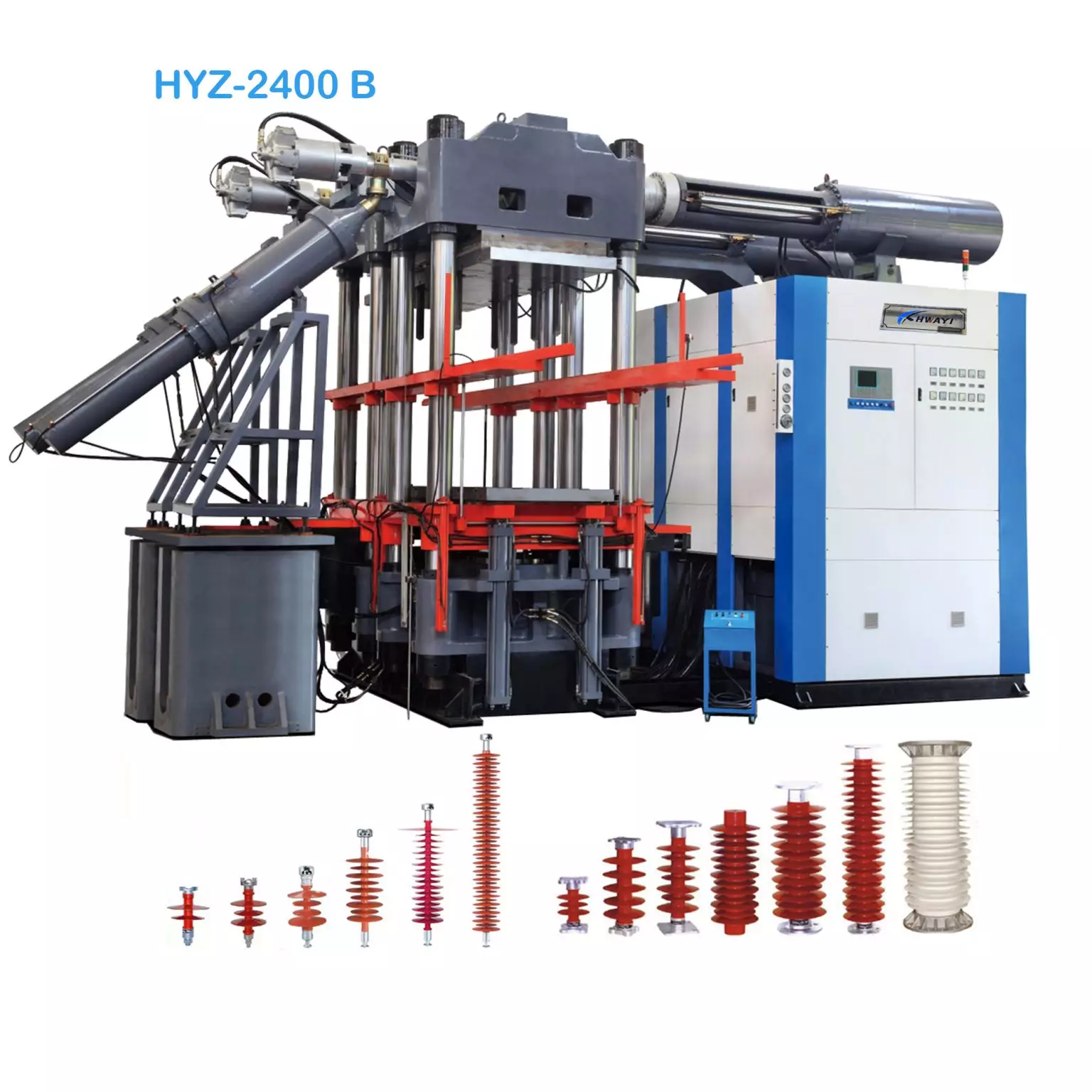
Out beyond conventional shop-floor thinking, HWAYI’s heating platen topologies read like engineered constellations — designed to flatten hot spots and enforce a uniform thermal profile across every mold cavity. This piece compares those proprietary layouts against standard approaches and situates the choice within real manufacturing constraints, from Shenzhen factory floors to European tire plants affected by the 2020 supply-chain changes. For teams evaluating rubber molding solutions and modern injection molding automation solutions, the platen geometry and control strategy are the two variables that most consistently predict part consistency and cycle stability.
Why temperature uniformity decides outcomes
Uniform temperature across a heating platen isn’t aesthetic — it’s deterministic. Variations of a few degrees warp cure kinetics in rubber molding, change shrinkage, and increase scrap. In practical terms: inconsistent thermal profiles create uneven vulcanization across a mold cavity, which then forces downstream rework and makes tolerance control expensive. Industry terms matter here: heating platen behavior, mold cavity temperature, and curing cycle duration are the levers you tune to hit repeatable part dimensions.
HWAYI’s layout mechanics — what differentiates them
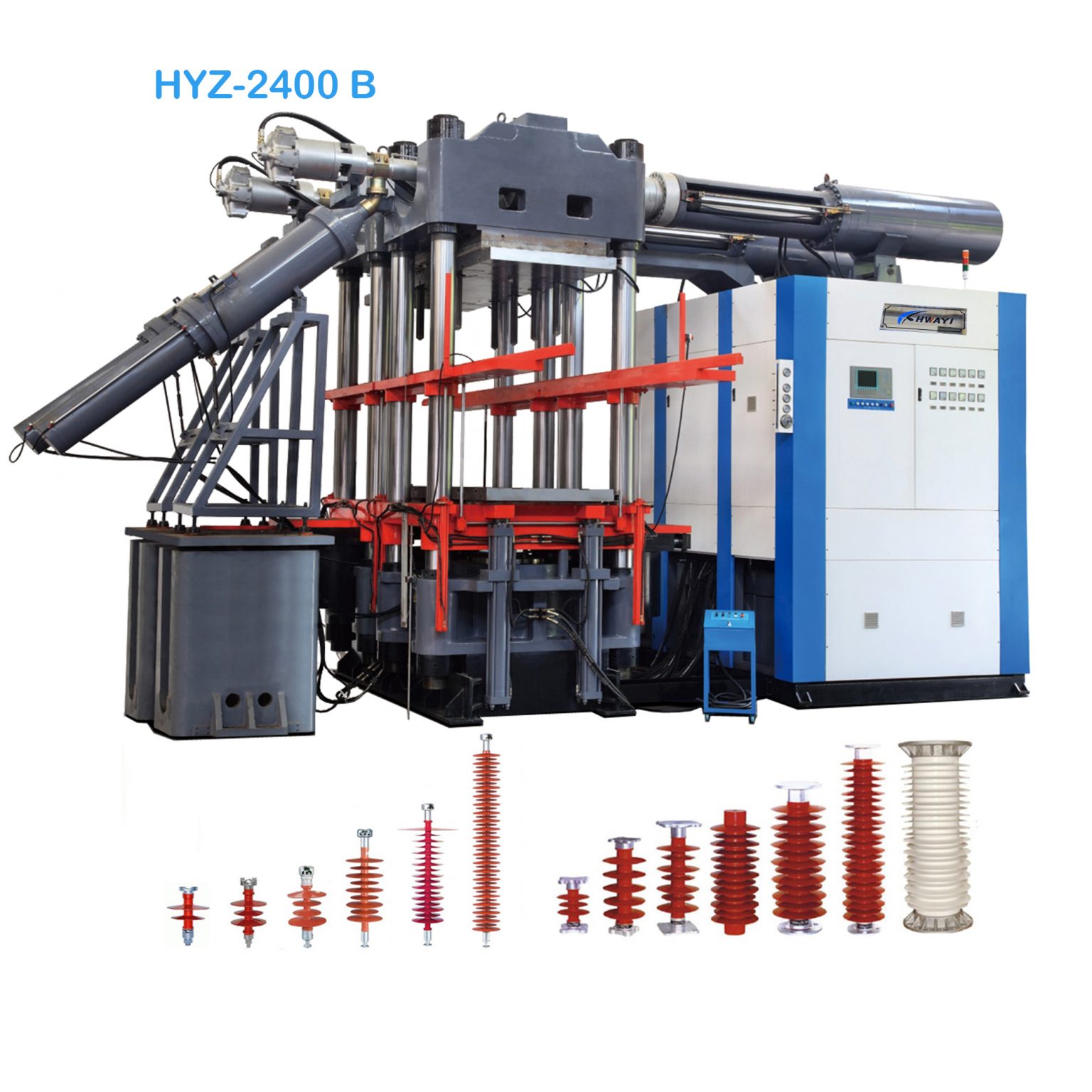
HWAYI uses multi-zone heating, embedded thermocouples, and patterned flow channels to drive temperature uniformity rather than brute-force power. Where a conventional single-zone platen tries to brute-heat the entire face, HWAYI modulates discrete zones with closed-loop feedback so edge and center temperatures converge. The result is shorter, more consistent curing cycles and fewer rejected parts. Control-wise, this reduces the need for over-torqueing drives or compensatory machine cycle adjustments — the platen does the heavy fidelity work.
How conventional alternatives perform
Traditional approaches split between large single heaters and segmented platens with manual balancing. Single heaters show thermal gradients; segmented platens can reduce gradients but often require complex wiring and frequent calibration. Hot-runner mimicry adds complexity without consistent gains in rubber molding: the geometry of elastomer flow and heat transfer differs fundamentally from thermoplastic injection cases, so a direct transplant of hot-runner philosophy often fails to deliver expected uniformity.
Operational trade-offs and measurable signals
Choose a platen design by the metrics you can measure on the factory floor: temperature uniformity across the face (±°C), cycle-to-cycle variance, and defect-per-million (DPM) trends. HWAYI spatially distributes sensors to make these metrics visible, which helps maintenance teams prioritize corrective action before defects rise. There’s a cost to that visibility — added sensors and control logic — but on high-value runs the yield uplift repays the investment quickly.
Integration and automation considerations
Integration with centralized PLCs and servo drive systems is non-negotiable for modern production. HWAYI’s layouts are designed to work with automated heat maps and process recipes, meaning temperature zones can be baked into an automated start-up or changeover routine — reducing human error during tooling swaps. That link to automation is why some OEMs pair platen design decisions with broader injection molding automation solutions to lock in repeatability across product families.
Common mistakes and how to avoid them — a pragmatic list
Common missteps: relying on a single-center thermocouple, underestimating edge cooling during short cycles, and treating platen layout as an afterthought during tool design. Fixes are straightforward: increase sensor density, model heat transfer during tool design, and set alarm thresholds tied to defect rates — these steps cut variability quickly. — A small calibration habit change on the line can shift yield curves for the better.
Advisory close: three metrics to guide selection
1) Temperature Uniformity (target ±2°C across the active platen area) — this directly maps to dimensional repeatability. 2) Cycle Variance (aim for <1% cycle-time fluctuation) — consistent cycles reduce process drift. 3) Defect Trend Sensitivity (DPM reduction per 1,000 cycles) — use this to quantify ROI on platen upgrades. Use these metrics during trials and demand logged proof from suppliers before committing to long runs. HWAYI’s layout philosophy aligns with these metrics and surfaces the data you need to decide.
HWAYI understands how a platen becomes the silent governor of quality — it’s the practical, measured piece that often resolves the final percent of yield. Trust the numbers; trust the layout.