
Comparative Insight Overview
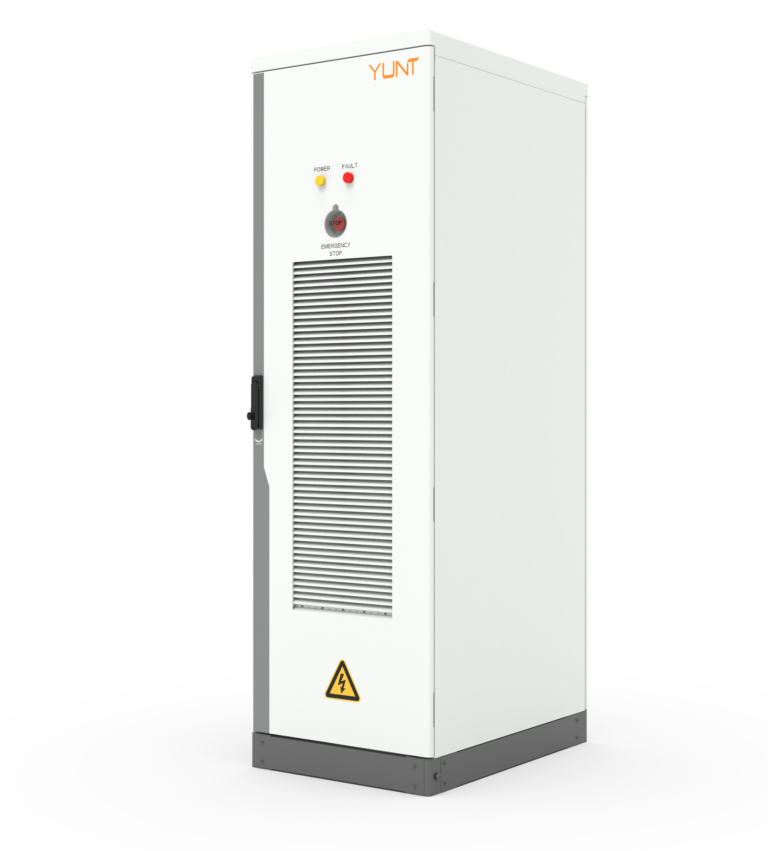
We start plain — a comparative look at two dominant strategies for handling heavy distortion when plants skirt the edges of low-load operation. The central inverter fleet and distributed power conversion modules behave differently when total harmonic distortion (THD) spikes and output sags. Early on, hybrid systems built around a hybrid inverter have shown promise by blending storage control and MPPT stages, and many hybrid inverter manufacturers tune firmware to ease THD impact. This piece sets side-by-side realities, not slogans.
Architecture and the Harmonic Problem
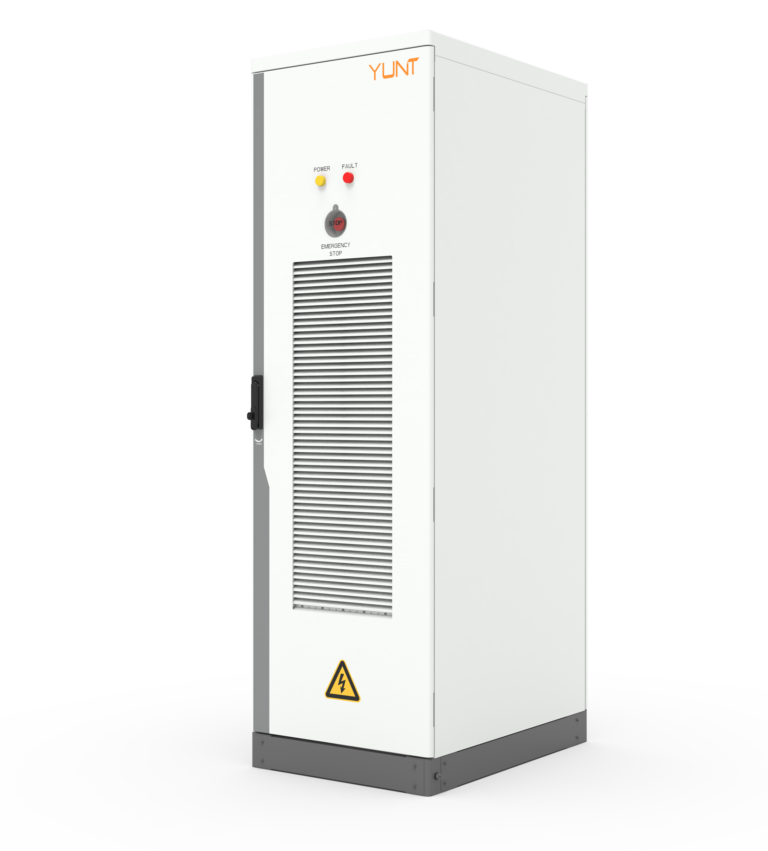
Central inverters consolidate conversion in one or a few large units; that concentration makes harmonic rejection dependent on big, often expensive filtering and sophisticated inverter topology. Distributed modules scatter conversion across panels or strings, so each module’s switching noise is smaller in amplitude but can aggregate unpredictably into higher THD at the point of common coupling. Engineers talk about low-load efficiency, switching frequency, and passive filter burden — practical terms that decide which path is cleaner on a given site.
Behavior Under Severe THD at Low Loads
At low-load thresholds the plant’s reactance grows relatively larger. Central systems can struggle because their control loops were often optimised for bulk throughput, not tiny fractions of rated power. Distributed modules, meanwhile, may enter discontinuous conduction or pulse more often, lifting THD. Field trials — and the IEA’s 2023 commentary on rising inverter-based resources — show inverter-based systems are now the dominant interaction point with weak grids, so their low-load harmonic behaviour matters for grid compliance and longevity.
Field Evidence and Practical Trade-offs
Real installers report two consistent patterns. First: adding active damping or selective harmonic compensation to a large central inverter tends to fix THD at scale, though it raises capital cost. Second: string-level or module-level converters reduce single-point failure risk and can deliver better localized power factor control — yet they demand coordinated control to prevent harmonic build-up. Testing regimes often include steady-state THD sweeps from 5% down to 1% load and transient ramps at 0.2–1 Hz to capture control loop limits. — Those test parameters matter; they reveal whether a system will sing or scream under light sun or light demand.
Maintenance, Reliability and Real-World Anchors
Maintenance effort shifts too. Central fleets concentrate spares and service on fewer units; distributed fleets trade that for many smaller, often easier-to-replace modules. The IEA’s 2023 notes on distributed generation growth in Europe act as a real-world anchor: grid operators are seeing more inverter interactions and more need for adaptive harmonic controls. Practical life on rooftops and small substations in Dublin and beyond shows the theory translated into hourly control tweaks and firmware updates from manufacturers.
Advisory — Three Golden Rules for Selection
Choose by measurable metrics, not marketing. These three evaluation rules will guide professionals toward systems that endure severe THD at low loads:
– THD Performance Under 1–10% Load: Insist on vendor data from tests that sweep from rated down to 1% load, showing THD at the PCC and harmonic spectra up to the 25th order.
– Dynamic Control Stability: Verify control-loop damping across ramp rates of 0.2–1 Hz and ensure the inverter topology supports active damping or selective harmonic injection without overheating.
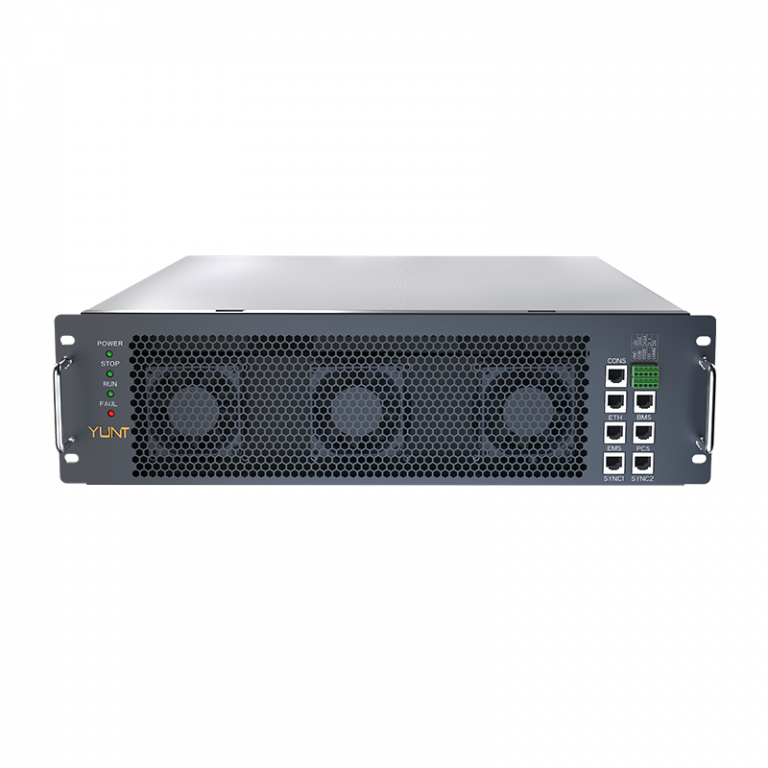
– Service and Firmware Path: Confirm the manufacturer delivers timely firmware for harmonic mitigation and that spare-part strategy matches expected mean time to repair (MTTR) for the chosen architecture.
Closing Thoughts
Pick the architecture that matches site reality: central units where filtering pays at scale; distributed modules where redundancy and fine-grain control beat bulk filtering. The measurable outcomes you should expect are lower corrective maintenance, predictable THD profiles, and clearer grid compliance margins. YUNT sits squarely in that operational space with solutions that thread these trade-offs into coherent product and service choices — a practical fit for operators who want predictable performance. —