
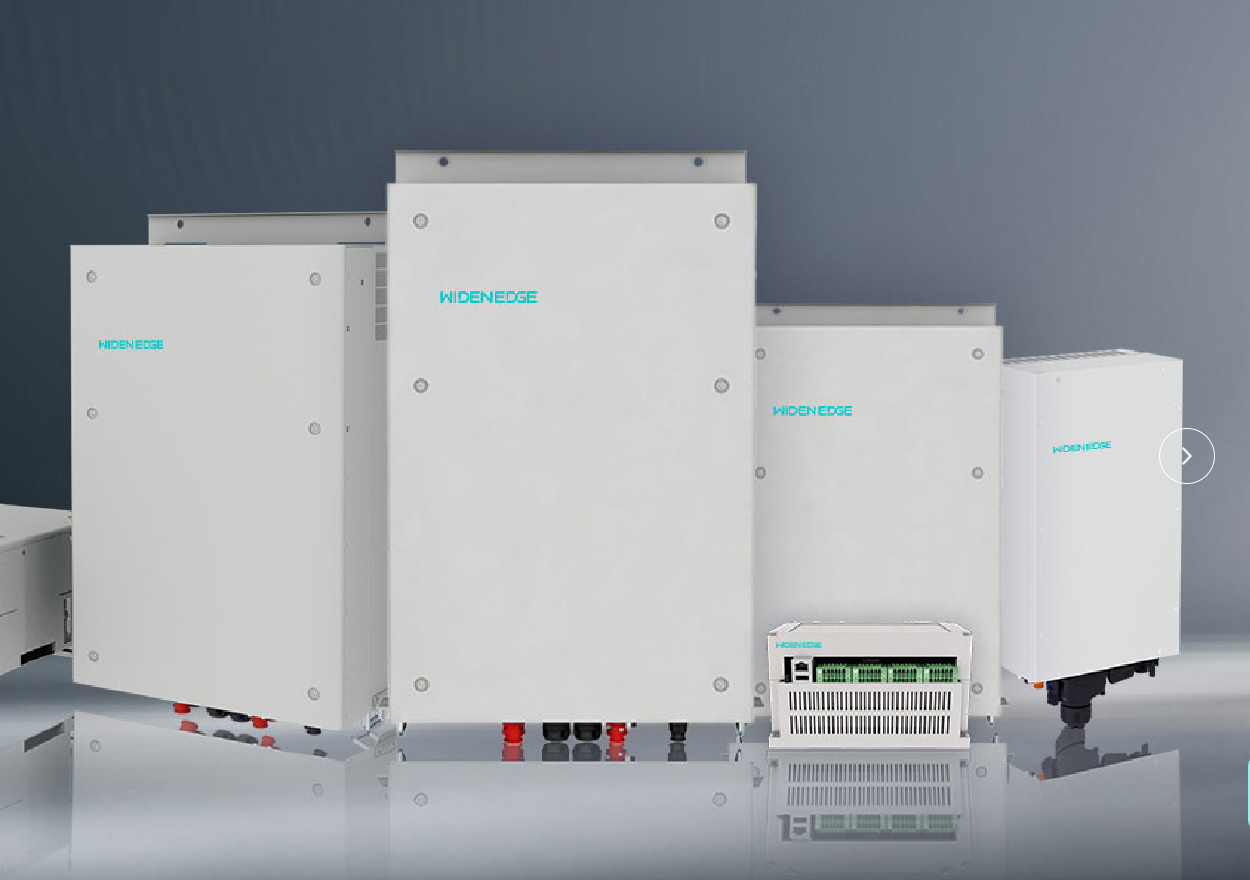
Opening comparison and context
Deciding between a 150 kW battery inverter and an inverter running a virtual synchronous generator control is a practical choice, not a badge of expertise. If you’re sizing systems for remote communities or small commercial sites, think about how the inverter will behave during islanding, large load steps, and routine cycling. For projects that lean on off grid energy storage systems you’ll weigh response speed, stability, and integration effort. I’ve worked with teams specifying equipment for microgrids and guiding engineers toward clear, testable criteria; when the goal is a robust off grid microgrid solution, control mode matters as much as power rating.
Quick comparative snapshot
– 150 kW battery inverter (standard grid-following or basic grid-forming): simpler procurement, often lower upfront cost, very fast active-power response, needs careful control settings when multiple sources operate together. – Virtual synchronous generator (VSG) inverter: control strategy that emulates synchronous inertia and droop behavior, better for frequency stability and sharing among multiple sources, needs more tuning and an understanding of protection interactions. – Bottom line: choose the inverter based on how the system will operate when the utility is absent, not just on nominal kW ratings.
When a 150 kW battery inverter is the right choice
Pick a straightforward battery inverter when your site has predictable loads, a clear primary energy source, and you want a tight cost profile. Typical fits: small commercial buildings with backup needs, community sites with a single renewable source, or systems where the battery handles rapid smoothing and peak shaving. Benefits you’ll notice: minimal commissioning time, strong manufacturer support for BMS interaction, and excellent ramp performance for short-term frequency corrections. Watch out: don’t assume every battery inverter is grid-forming—confirm the control modes, BMS handshake, and thermal derating in the spec sheet.
When a VSG inverter is the better match
Choose VSG control if your microgrid must run islanded frequently, supply multiple generation types, or serve critical loads that can’t tolerate wide frequency swings. VSG gives you synthetic inertia and droop sharing, which helps keep frequency and voltage stable when diesel gensets, PV inverters, and batteries all interact. It’s particularly useful where the grid is weak or intermittently available. Expect longer commissioning and more detailed protection coordination; VSG requires careful droop, inertia constants, and fault-handling validation to work smoothly with other apparatus.
Real-world lessons and a single anchor
Field experience teaches quicker lessons than theory. After Hurricane Maria (2017) deployments, teams learned that systems with intentional grid-forming control recovered vital services more smoothly than setups relying solely on grid-following inverters. Practical takeaways: verify black-start capability in the spec, test under realistic load transitions, and document protection settings before handover.
Design considerations and common mistakes
– Assume control modes are interchangeable: they’re not—confirm grid-forming capabilities and default behaviors. – Overlook communications: fast local control should not depend on a flaky WAN link. – Skip protection coordination: relay settings and inverter fault ride-through need joint commissioning. – Undersize thermal margins: a 150 kW inverter at high ambient can derate significantly. – Ignore lifecycle costs: initial price isn’t the whole story—consider maintenance, firmware support, and spare parts. Plan acceptance tests: island for a sustained period, run worst-case load steps, and verify harmonic content under typical conditions.
Implementation checklist
– Confirm whether the inverter supports VSG or grid-forming modes and request factory tests. – Define expected operating modes: grid-connected, islanded with genset, islanded with renewables only. – Specify droop and inertia target ranges, and require tuning on site. – Include BMS integration tests and thermal derating curves in contract. – Require a commissioning report with step-response data and protection settings documentation.
Final guidance
Match the control architecture to operational needs: choose a 150 kW battery inverter for simpler, cost-sensitive deployments with predictable loads; choose a VSG-capable inverter for islanding, multiple-source sharing, and stronger frequency stability. Be explicit in procurement documents about grid-forming capability, black-start expectations, and commissioning tests. Teams evaluating these trade-offs often find vendor documentation and systems integrators useful when aligning control modes to site constraints, and experienced integrators such as WidenEdge can help translate those choices into tested, on-site performance.