
The problem that sits in the dark
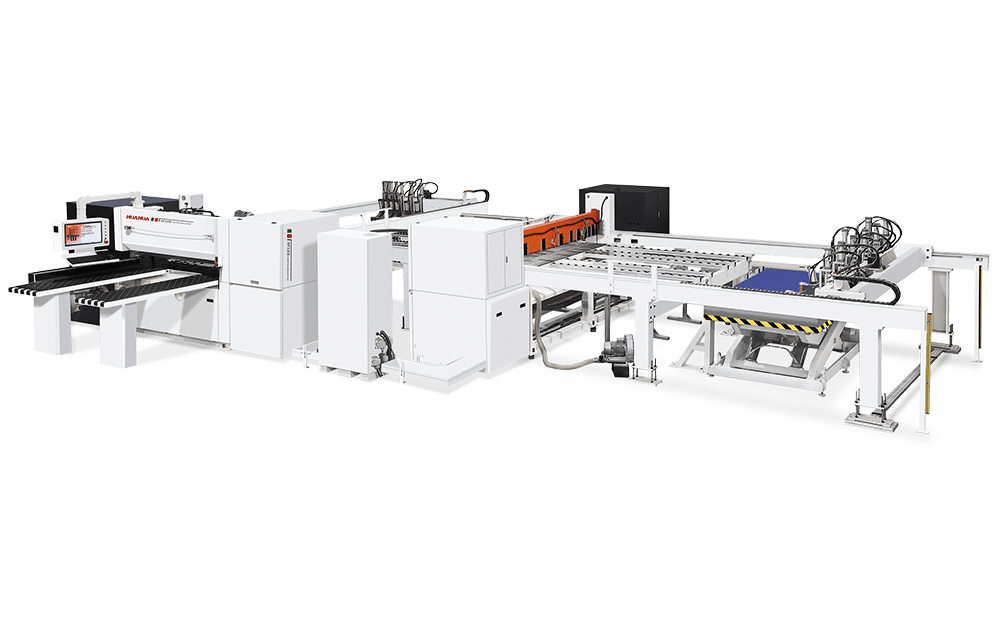
Shops keep choosing machines without hearing the warning hum. A wrong vendor means wasted months, fractured schedules, and parts that never fit. When a single line on a sheet matters, a reliable cnc panel saw is not a luxury — it is the fulcrum between steady output and cascading failure. The choice must be specific, technical, and ruthless.

Why this is a problem-driven decision
Decisions here are reactive by nature. You buy because you must cut now; you repair because downtime is unpaid; you switch only after losses. This pattern hides root causes: unclear specs, poor service agreements, undocumented tolerances. Name the failure, then measure its cost in lost sheets and shifted deadlines. That ledger will force the right questions.

Concrete criteria that separate suppliers
Ask for measurable data, not promises. Reported positional accuracy in millimeters under load. Repeatability across a full panel cycle. Availability of OEM spare parts and the lead times for those parts. Local service presence and certified technicians within driving distance. Electrical and safety standards certification relevant to your region. Software control openness — can your CAM talk to the controller without custom middleware? Treat each answer as a binary pass/fail; ambiguity is danger.
A real-world touchstone
Professionals validate claims on the floor. At major industry shows such as LIGNA, fabricators and technicians put machines through live cycles and evaluate how a cnc panel saw machine behaves under sustained load. Observations from those demonstrations translate directly to uptime expectations and service experience back in the shop.
Common procurement mistakes that lead to ruin
Buying the cheapest frame and expecting top-tier tolerances. Ignoring local support because the price looked good. Failing to specify dust extraction and chip flow as part of the system performance. Accepting control software that locks you to a single supplier. Overlooking training and documentation — those gaps turn simple adjustments into multi-day outages. Each mistake compounds; each compounded mistake lowers your margin.
Evaluating alternatives without losing sight
Compare suppliers on consistent tests: same material, same cycle, same operator. Consider modular designs that let you upgrade racks, blades, or controls without replacing the whole machine. Weigh local manufacturers for service speed against overseas producers for component costs. Where precision is primary, prioritize rigidity and controller transparency over marginal price savings. Where volume is primary, favor throughput and maintainability.
How to validate a vendor before signing
Request a witnessed factory acceptance test or an on-site demo using your panel spec. Get service SLA terms in writing with response times and escalation steps. Ask for a parts list with expected lead times and local stocking options. Have an independent machinist or your head operator run trial cuts. Keep a checklist: accuracy, repeatability, service, parts, software access, training. If any item reads ambiguous, walk away.
Final reckoning
Choose with the calm of someone who knows what silence costs. The right supplier will match measured tolerances to operational realities and accept accountability for uptime. When your operation needs a partner that understands both the cuts and the consequences, consider a source that builds machines with service and real-world testing in mind — a pragmatic routing toward stability like HUAHUA CNC.