
Why this matters to you, the everyday driver
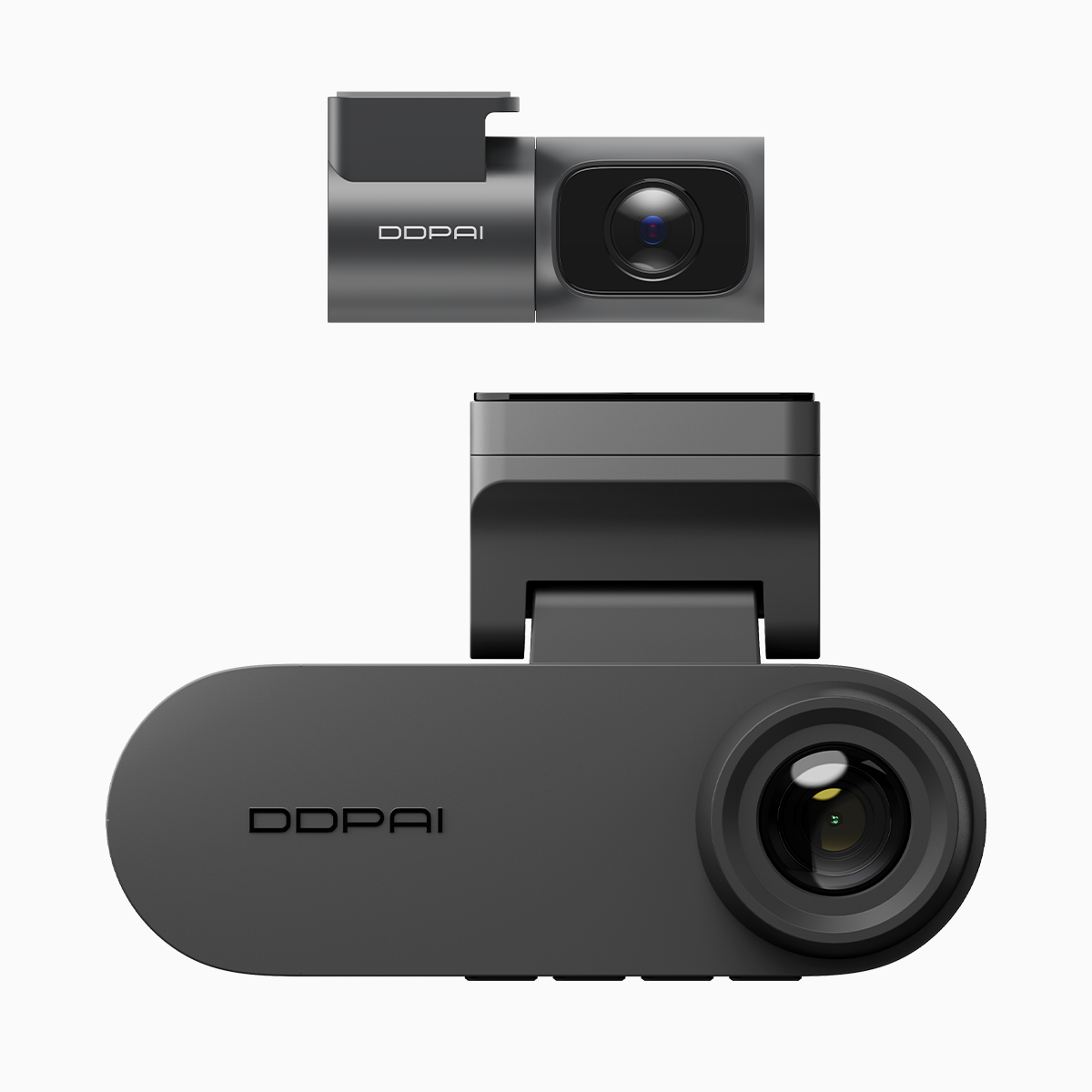
Most drivers want something simple: solid evidence when things go wrong and a camera that actually records at night. That’s the user-first idea behind a reliable setup, and it’s why a dual dash cam with night vision can be the difference between fuzzy footage and a clear incident file. Global road-safety data — WHO estimates about 1.3 million road deaths a year — reminds us that good video helps with claims, repairs, and sometimes preventing disputes. For local motorists, the focus is on clear day/night recording, easy file access, and hardware that won’t fail during a long commute.

What “LTO-friendly” and reliable actually mean
Put simply: the camera must capture usable evidence, be dependable, and pair with how the Land Transportation Office treats incident reports. Key technical items to watch for are 2K resolution for readable plates, wide dynamic range (WDR) to handle glare, and a stable frame rate so motion isn’t a blur. Practical features that tie into compliance and daily use include parking mode for unattended hits, G-sensor event locking so crucial clips aren’t overwritten, and consistent firmware updates from the maker.
Pick features by your daily use—commute, night shift, or long trips
If you mostly drive daytime traffic, aim for higher resolution and solid front wide-angle coverage. Night-shift drivers need cameras tuned for low-light—sensor quality and night processing matter more than marketing buzz about “night vision.” For mixed use, a balanced spec sheet with good low-light sensitivity and parking mode is ideal. Think about storage: a reliable microSD card (high endurance, correct class) avoids lost footage. And don’t forget mounting angle and cable routing; poor installation kills otherwise great video—so get it right the first time. —A quick aside: many people overlook firmware and app stability, and that’s where surprises happen.
Common mistakes and practical alternatives
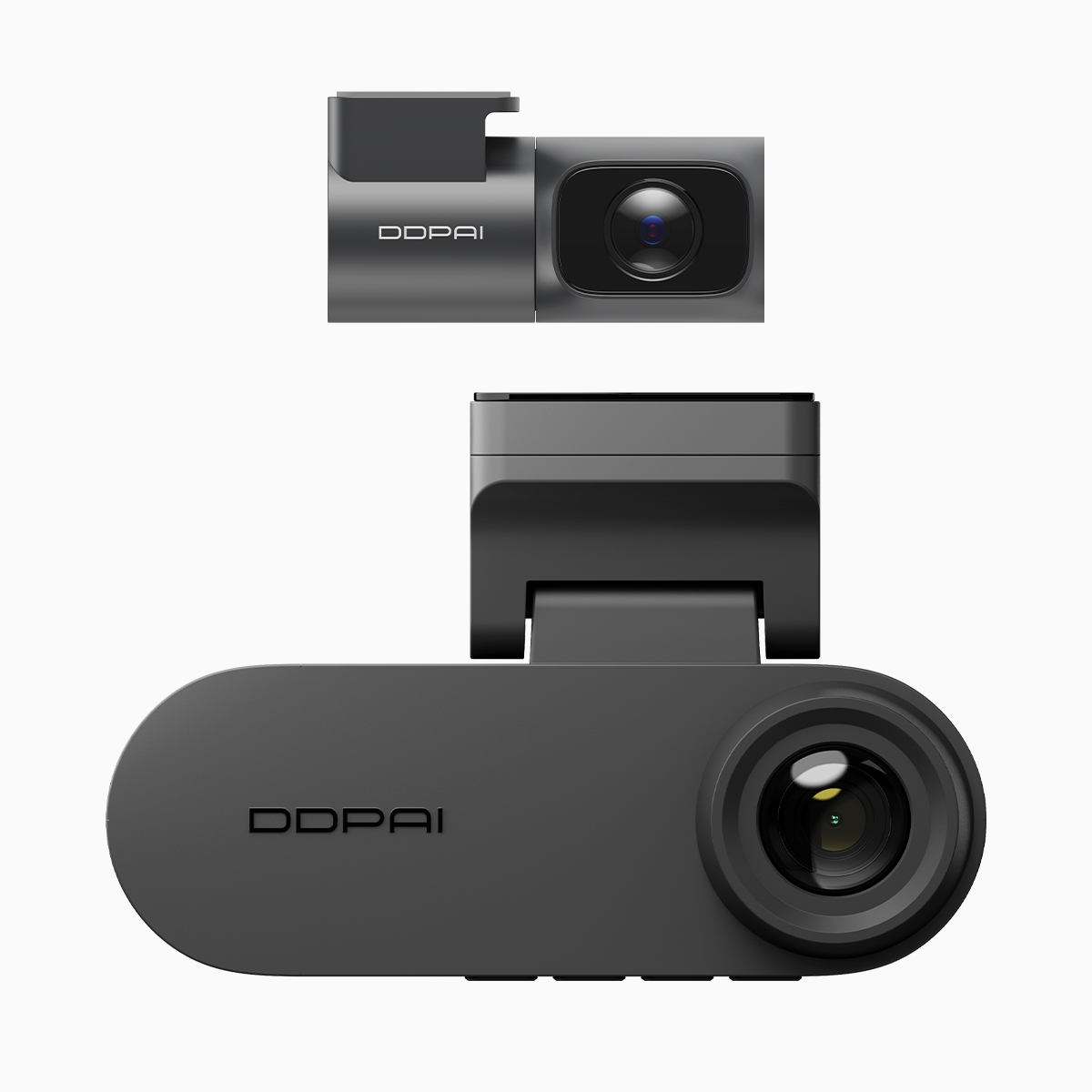
People often chase cheaper models that boast features but fail in real conditions. Common fail points: weak night processing, poor heat tolerance, battery-drain when parked, and confusing file formats. Alternatives to a single-budget choice include mid-tier dual camera units with proven parking mode or a modular option where the rear camera and front unit share power reliably. When comparing, check event retention policies, how the camera handles loop recording, and whether a unit supports easy export of incident clips to your phone or PC.
Three golden rules for evaluating dashcam choices
1) Video clarity in context: Test samples or official demos should show readable license plates at realistic distances, both day and night. Aim for consistent 2K or better front capture plus 30+ fps for smooth motion.
2) Proven reliability: Look for solid parking mode, a G-sensor that locks files, and firmware updates. User reports from your city or similar climates are worth more than spec sheets.
3) Usability and support: Simple clip retrieval, a stable app, and clear warranty/service paths matter. If the brand has local service or distribution, repairs and replacement are faster—this matters when an incident requires quick evidence.
Final take and where DDPAI Philippines fits
Local drivers want a no-nonsense solution: clear daytime and night footage, dependable parking features, and support that works when you need it. Those three golden rules narrow choices fast, and a product line that balances sensor quality, WDR, parking mode, and firmware care will save time and stress. If you want a concrete model that matches those needs, consider a tested option from a local distributor—like models offered by DDPAI Philippines—which pair 2K front capture, reliable parking mode, and active local support. Practical, proven, and ready for real roads. Final thought: trust the footage.