
The problem: outages stop operations — fast
Power failures hit critical facilities hard. Hospitals, data centers, water treatment plants — they can’t wait for a slow restart. That’s why leaders combine batteries with local controls and generation, often inside an island microgrid footprint to isolate and protect essential loads. You want reliability that acts immediately, scales when needed, and recovers gracefully. Feed the problem with energy, not panic.
What battery backup systems actually do
Think of the battery system as the emergency sprinter: it responds instantly, holding voltage and frequency while longer-duration resources spin up. Key functions include fast ride-through, seamless transfer of critical loads, peak shaving during transient spikes, and intentional support for grid instability. The control logic manages state-of-charge, dispatch priority, and safety interlocks so the system behaves predictably under stress.
Core components and how they interact
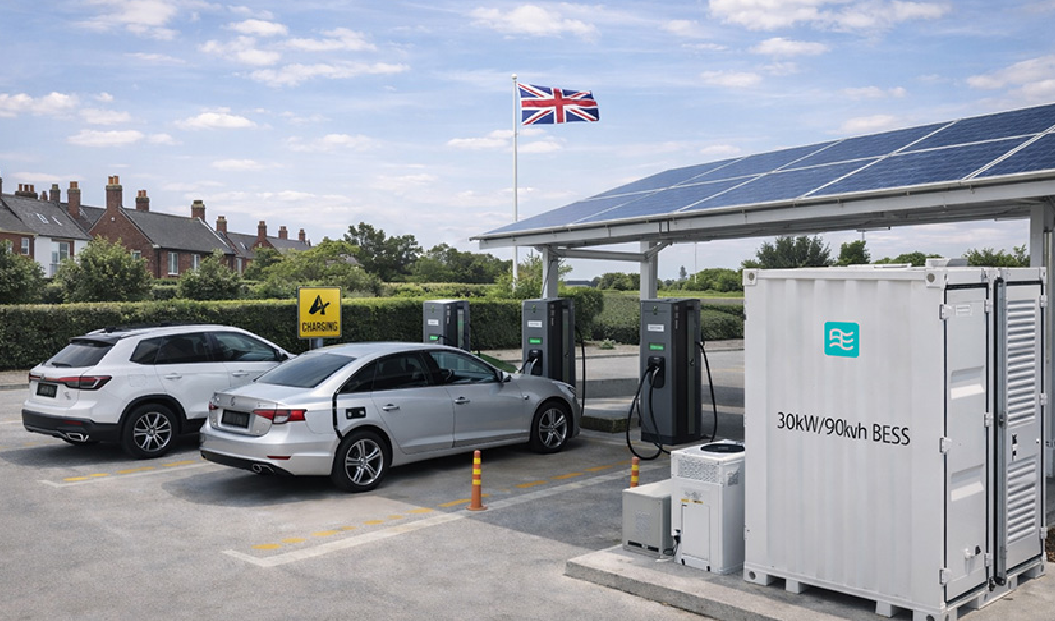
Every system pairs a few essential elements that must talk to each other precisely:- Energy storage (lithium-ion or other chemistries) for immediate delivery.- Inverters that convert DC to stable AC and provide grid-following or grid-forming capability.- Power controls and an energy management system (EMS) that set priorities and automate transfers.- Optional generation: diesel or gas gensets that supply longer outages.When those pieces are tuned, the battery covers the fast gap while generation takes over for duration. Where hybrid solutions are chosen, teams often test a diesel storage hybrid system to reduce fuel runs and smooth generator operation.
Sizing decisions that solve the real problem — not guesswork
Size for the load you must protect, then size for the response you want. That means three clear checks:- Identify critical loads and runtime requirements (minutes for transfer, hours for extended outages).- Model worst-case contingencies and synchronizing behavior with on-site generation.- Factor lifecycle cycles for batteries and fuel logistics for generators.Common mistakes: treating batteries as identical to generators, underestimating inverter peak capability, and ignoring battery aging. Fixing those early saves downtime and cost.
Operations, maintenance, and pitfalls to avoid
Good systems need regular testing and honest metrics. Run weekly transfer drills, track depth-of-discharge trends, and verify protection settings after software or firmware updates. Watch out for: improper ventilation for battery rooms, neglected fuel quality in generators, and off-spec charging profiles that accelerate degradation. A practical example: remote mining operations in Western Australia shifted to hybrid setups after high fuel haul costs and found predictable savings once controls were tuned to prioritize stored energy during short outages.
Choosing an approach: battery-first vs generator-first
Compare the approaches clearly:- Battery-first: immediate response, reduced genset wear, lower short-term emissions, needs charging strategy for long outages.- Generator-first: familiar, long-duration capability, slower response, higher operating cost and wear.For most critical sites, a blended strategy works best — batteries take the hit and cut generator starts, generators cover extended outages and recharge batteries when appropriate.
How to evaluate alternatives and avoid wasted effort
Don’t pick components by brand alone. Test expected sequences under load, check real inverter fault behavior, and confirm communication standards between EMS and building controls. Consider lifecycle cost, not just capital. If you compare packaged UPS, containerized battery systems, and hybrid microgrids, use the same load profile and failure scenarios for each. That reveals the true operational differences.
Bring it together: confident reliability that keeps you moving
Focus on the problem, pick clear performance targets, and validate with drills and metrics. That discipline delivers immediate response, longer resilience, and predictable operations. For teams that want practical, engineered solutions rather than slogans, a partner that designs systems around measurable requirements makes the difference — and that’s the kind of consistent, field-proven approach you’ll find at WidenEdge.