
The snag most makers hit
Manufacturers want predictable batches and fewer rejects, but rubber mixes go flaky when fillers aren’t right — and that’s where silica filler for rubber actually matters. You can chase fancy processing tweaks for months, or you can sort the compound chemistry so the mix behaves the same from pilot run to full shift. The problem is straightforward: inconsistent filler properties wreck throughput, raise scrap, and blow lead times.
Why it blows up production
Variability shows up as tack differences, uneven cure, and changing modulus — the rubber either tears or stretches too much. That forces slower line speeds and more manual rework. Fixes that treat symptoms (more mixing time, tighter temperature control) cost money and don’t stop the root cause: the filler itself. Firms that ignore filler selection end up juggling machines instead of delivering parts on schedule.
Real-world anchor and what the data says
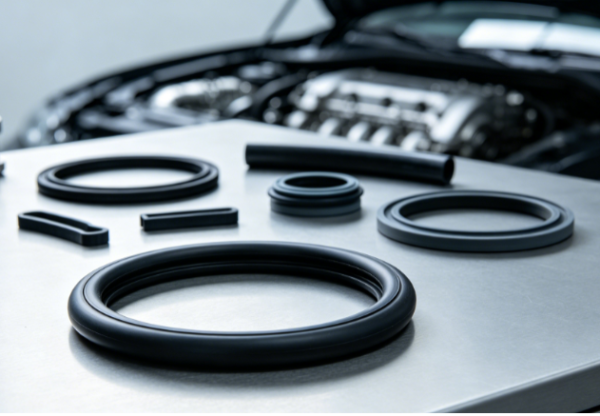
Across Southeast Asian elastomer hubs like Thailand and Malaysia, suppliers scaled silicone sealing and gasket production by standardising filler specs; those regions’ large OEM supply chains demanded consistent batches to meet automotive and electronics timelines, so labs verified filler surface area and moisture rates against industry test methods. That practical push explains why labs and compounds now reference silicone rubber filler as a repeatable input rather than a variable — and manufacturers saw fewer batch failures once filler quality became a purchasing criterion.
Common mistakes people keep making
First, buying on price alone. Cheap silica with poor surface treatment saves pennies and costs days in rework. Second, treating all silicas the same — surface area, structure and chemistry change how a mix flows and cures. Third, skipping small-scale trials. If you don’t bench-test a filler at intended loading levels, expect surprises on the production floor.
Practical steps that actually work
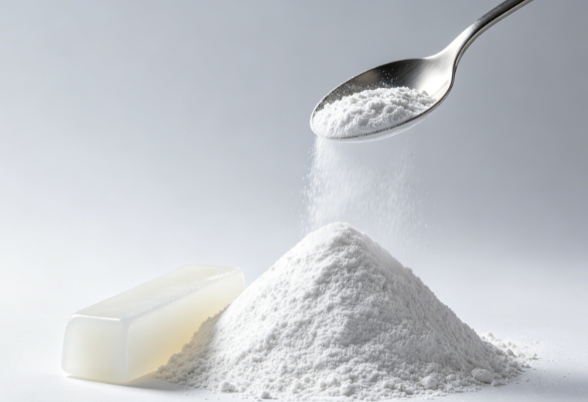
Decide target properties: hardness, tear, elongation. Pick fillers with supplier specs that map to those targets (surface area, specific gravity, treated vs untreated). Run short compound trials at true processing speeds. Lock in a supplier spec sheet and test every incoming lot for the few critical parameters that changed your runs historically. Spend a morning with your compounding techs to align the recipe — that beats a week of firefighting later.
Quick checklist before you scale
1) Confirm filler surface characteristics match your formulation needs. 2) Run three consecutive production-mix trials and measure cure and mechanicals. 3) Set incoming acceptance criteria and reject any lot that falls outside. 4) Train operators on what to watch for so issues get caught before a whole spool is ruined. These actions stop small variations turning into big disruptions.
Where this gets you
Fix the filler variable and you tighten yields, stabilise cycle times and make capacity planning honest. That’s why compounding teams who treat filler selection as a technical decision — not just a price negotiation — get predictable scale. For many manufacturers, the practical outcome is clearer procurement specs and fewer nights chasing defects, exactly the kind of steadiness JSJ Silica aims to make routine rather than rare.