
Start with the problem you’re solving
Most projects fail not because the technology is bad but because the questions weren’t asked. If your goal is reliable tracking, list the failure modes first: unreadable tags, short battery life, false positives, and poor integration with existing readers like RFID Readers. Say what you need the tag to do under the worst conditions, then force every supplier to answer against that reality. That framing keeps the purchase practical and prevents costly surprises.
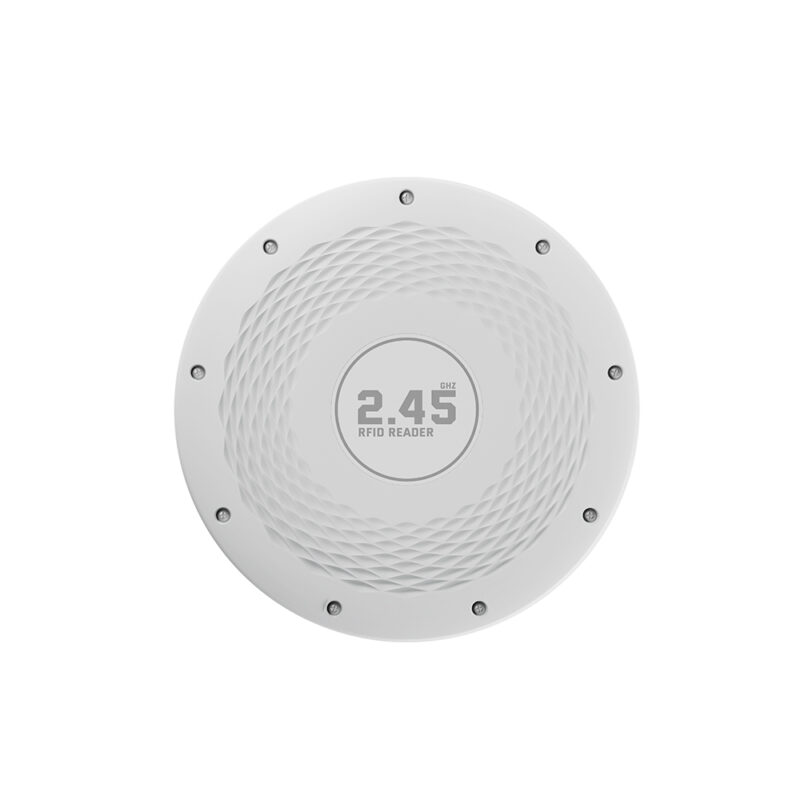
Ask these precise technical questions
Don’t accept vague answers. Ask for read range measured in your expected environment, the operating frequency, antenna orientation sensitivity, battery chemistry and expected replacement interval, IP rating for dust and water, operating temperature range, and available form factors. Demand sample performance curves, not marketing claims. Ask whether the tag supports anti-collision, how it reports IDs (raw EPC or custom payload), and if firmware on the tag can be updated in the field.
Make compatibility non-negotiable
Compatibility kills rollouts. Verify the tag’s radio characteristics match your reader fleet and middleware. Require a supplier demonstration using your reader model or an industry-standard reader profile. Confirm data formats map directly into your backend and ask if the vendor provides middleware connectors or SDKs. If integration needs custom drivers, budget the development time up front.
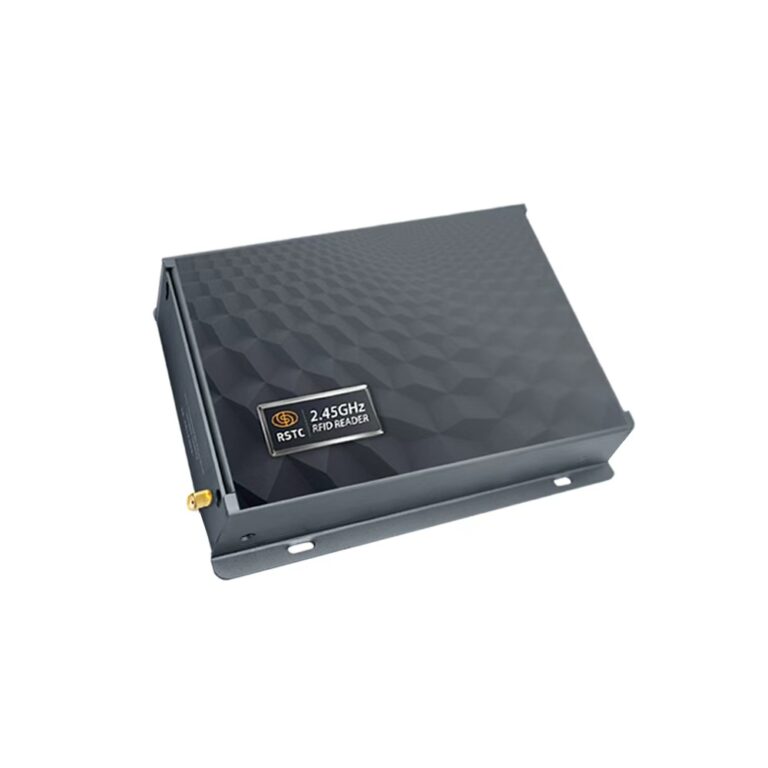
Plan realistic testing and acceptance criteria
Define a test plan before buying. Specify mounting methods, test distances, tag orientations, and interference sources to reproduce on-site conditions. Require a small pilot batch and set clear acceptance metrics: read rate percentages, false read thresholds, battery lifetime under actual use, and environmental survivability. If the pilot fails, have return or remediation terms documented.
Watch for common deployment pitfalls
Metal and liquids reduce UHF performance; plastics and wood usually don’t. Don’t assume one tag fits all locations—tag mounting and enclosure matter. Ask whether the supplier has low-metal or on-metal variants, and whether tags need added spacer or encapsulation. Confirm certification for your region (FCC, CE) and clarify regulatory frequency limits that affect power and range.
Negotiate supply and lifecycle terms
Clarify minimum order quantities, lead times, and stock buffers. Get warranty details, expected product life, and an end-of-life policy. Ask if replacement spares and batteries are available locally and whether firmware updates are provided under support. Insist on a clear escalation path for failures and a service-level agreement for critical items.
Compare alternatives and trade-offs
Active RFID offers longer range and push-based updates but costs more and needs battery service. Passive UHF is cheaper and maintenance-free but may fail on metal or long-distance tags. BLE beacons give smartphone compatibility but behave differently in dense RF environments. Pick the tech that fits constraints: budget, maintenance capacity, and the physical environment. Ask suppliers to model the trade-offs with actual numbers for your use case.
Demonstrated experience and a real-world anchor
Proven deployments matter. Large logistics hubs like the Port of Rotterdam have documented RFID pilots and rollouts showing how environmental factors and scale affect outcomes; suppliers familiar with those challenges can predict common failure modes. Check whether the vendor lists projects or white papers tied to industrial deployments and test their products against known benchmarks for reliability using industrial rfid readers.
Synthesis: what to do next so the purchase works
Define the failure scenarios, require specific measured answers and pilot results, and lock supply and support terms into the contract. When a supplier matches your tests and provides clear documentation and lifecycle support, risk drops. That practical approach is exactly what I look for when recommending vendors, and it’s the kind of reliable partnership you find through RSTC.