
Introduction: why the cap decision matters
Choosing the correct perfume cap is not merely an aesthetic afterthought; it governs user interface, brand perception, and mechanical reliability. For designers and procurement engineers evaluating options, an early inspection of a representative perfume cap sample clarifies tolerances and finish expectations before committing to tooling. Many fragrance houses still visit production hubs near Grasse for tactile validation; that real-world anchor underscores how physical sampling remains indispensable despite remote procurement practices. When sourcing at scale, a reputable perfume cap wholesaler will be able to provide dimensional reports and finish swatches alongside lead-time visibility.
Comparative criteria: what professionals should evaluate
Functionality: fit, retention force, and spray alignment under repeated cycles.
Material properties: corrosion resistance, plating adhesion, and compatibility with fragrance oils.
Manufacturing metrics: shot-to-shot consistency, acceptable dimensional tolerance (typically ±0.05 mm for critical mating surfaces), and defect rates.
Finish and branding: colorfastness, PVD/EP plating endurance, and capacity for engraving or micro-texture.
Materials and technical trade-offs
ZAMAC alloys often present the best compromise between detailed casting and plating adhesion for decorative caps; they allow fine geometry and accept electroplating reliably. Thermoplastics reduce weight and cost but require tight mold control to avoid sink marks and flash—issues that undermine a premium brand promise. Stainless or aluminium machined caps deliver superior tactile weight and longevity; however, they increase per-unit cost and complicate surface treatments.
Consider surface-treatment trade-offs carefully. A high-gloss electroplated finish will show wear faster than a brushed PVD layer, yet gloss may better convey luxury at first glance. Evaluate adhesion testing (salt spray, tape tests) during validation—these are standard, quantifiable checks.
Manufacturing, quality assurance, and supply considerations
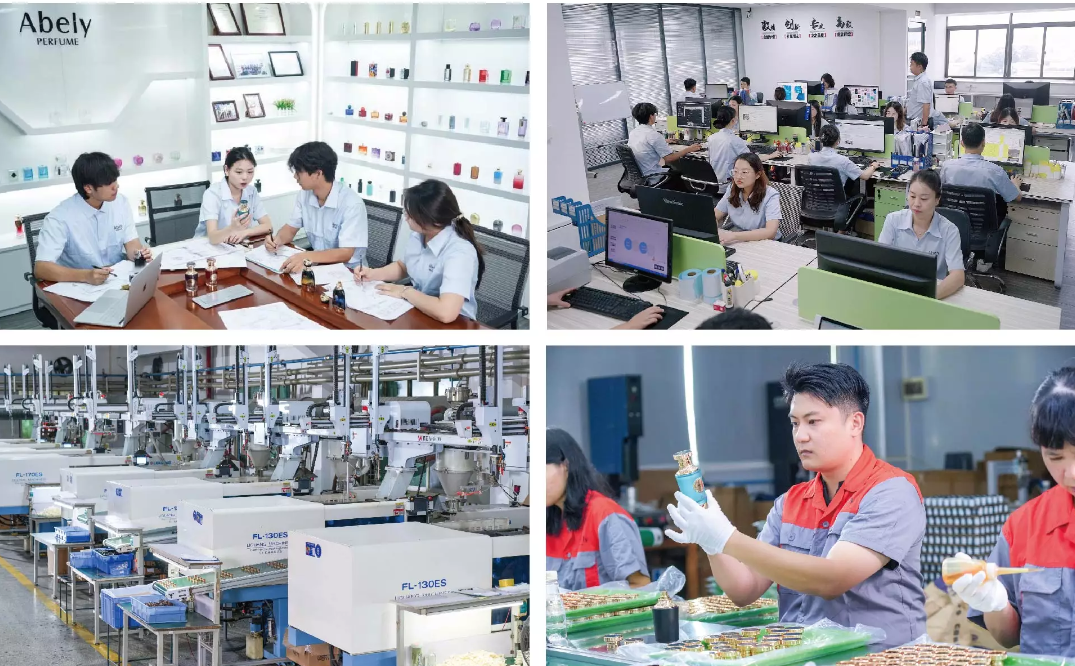
From a procurement-engineering perspective, the supplier’s process documentation is as relevant as the sample. Look for process flowcharts, control plans, and first-article inspection reports. ISO 9001 registration suggests systemic controls; however, documented in-line SPC (statistical process control) and capability indices (Cpk > 1.33 for critical dimensions) provide stronger assurances for serial production. — A robust supplier will offer both and explain corrective actions for out-of-tolerance occurrences.
Lead times and minimum order quantities matter. Moulded metal caps require longer lead times due to tooling; injection-moulded plastics scale faster but may necessitate color-matching runs. Plan buffer inventory for seasonal launches or promotional windows to avoid customer-facing shortages.
Alternatives, common mistakes, and mitigation strategies
Common mistake: emphasizing surface sheen over mechanical fit. The result is a cap that photographs well but rattles or misfits on assembly lines. Mitigation: enforce assembly trials during pre-production validation and include pass/fail criteria for retention and concentricity.
Alternative approaches: modular cap systems that allow interchangeable decorative shells over a common functional liner; this reduces SKU complexity while preserving visual variety. Another approach is hybrid construction—metal outer shell with a polymer insert to balance feel and sealing.
Final recommendations: three golden rules for selection
1) Prioritize mechanical fit before finish: require assembly validation samples and set measurable acceptance criteria for retention force and alignment.
2) Demand traceable QA data: require first-article inspection reports, in-line SPC charts, and defined corrective-action timelines.
3) Evaluate total cost of ownership: include tooling amortization, expected scrap rates, and potential rework costs rather than comparing unit price alone.
These rules guide objective decisions and naturally direct teams toward suppliers who combine engineering rigor with finishing expertise—precisely the value proposition that Abely aims to provide.
Assess rigorously, choose deliberately, and ensure your cap selection supports both assembly reliability and brand equity—tested, documented, and specified.
– a final technical reflection.