
The problem that starts every project
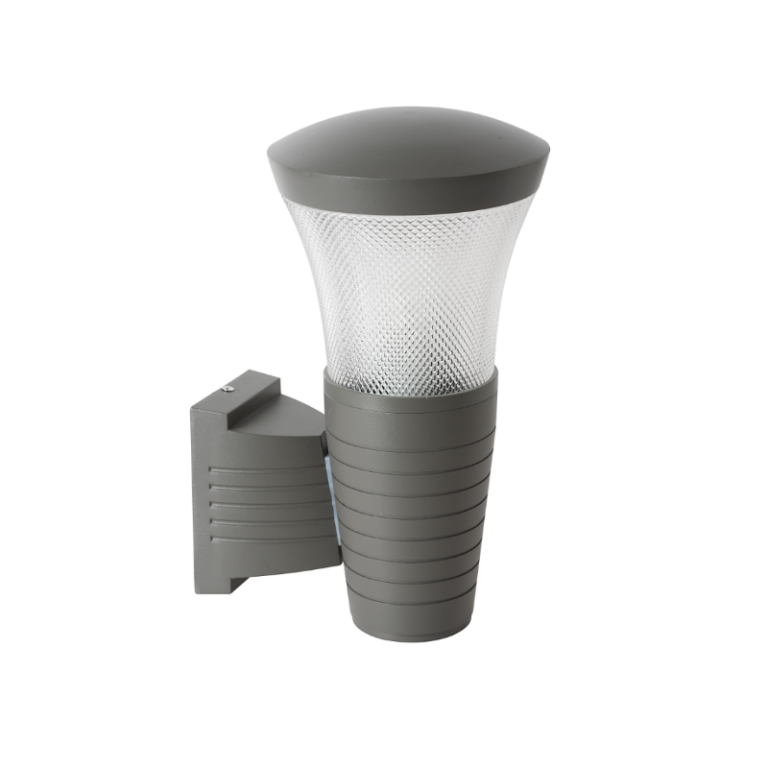
Outdoor bollards look simple. But in the field they fail. Corrosion eats metal. Heat shortens LED life. Municipal budgets strain. Designers get the blame. A problem-driven view helps. Start by asking: will this housing protect the LED and the driver for years? Good question. And yes, fixture choice ties directly to energy goals — remember that lighting is a major slice of electricity use globally, per the IEA — so wrong choices cost in consumption and replacement. For practical options, look at proven led outdoor lighting lines that balance thermal management and corrosion resistance.
Why housings matter: corrosion resistance versus thermal dissipation
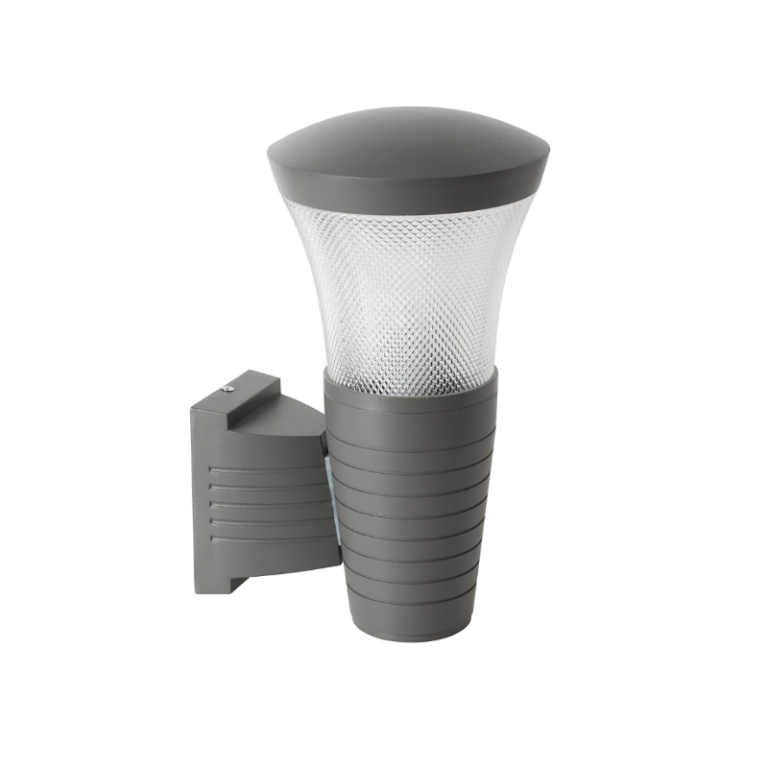
Two failure modes dominate. First, corrosion. Salt air and moisture attack finishes. Second, overheating. LEDs need thermal paths to survive and keep lumen maintenance high. You cannot optimize one at the expense of the other. Some housings are thick, heavy, and resist denting — but trap heat. Others vent well — but invite moisture. The right balance depends on location and service life. Think IP rating and heat sink strategy from the outset.
Material and coating choices, compared
Die-cast aluminum — common, light, thermally conductive. Good for heat sinks and long runs. Anodizing or powder coating improves corrosion resistance. Stainless steel — excellent corrosion resistance, higher cost, heavier. HDPE and composites — very corrosion resistant and impact-tolerant, but lower thermal conductivity. Specify salt spray testing and passivation where coastal exposure is likely. Match the material to the environment: inland mall courtyards, coastal promenades, and snowy parkways all ask for different chemistry.
Design details that actually change performance
Housing geometry, internal thermal path, and driver placement matter as much as metal choice. A well-designed heat sink integrated into the housing moves heat away from the LED junction. Remote LED driver compartments reduce internal temperature but require sealed cable glands. Optics and CCT stability tie into thermal control — as temperature rises, color shifts and lumen depreciation accelerate. Sensors add complexity: place motion sensors behind protective lenses to avoid false triggers, and ensure their connectors meet the same corrosion standards. Consider IK and IP ratings together — impact resistance plus ingress protection are non-negotiable for public spaces.
Common mistakes teams make — and quick fixes
Teams often assume “coated = protected.” Not always. Thin powder coats chip. Fastener metallurgy is ignored. Seal gaskets get compressed over time. Designers also tuck the LED driver into cramped cavities — thermal sandwich, bad idea. Quick fixes: specify stainless fasteners, choose gasketing material rated for your temperature range, demand first-article thermal testing with an instrumented fixture. — Also insist on documented lumen maintenance curves (L70/L90) under actual ambient conditions; that exposes poor thermal designs early.
Checklist for buying bollard housings
Use a pragmatic checklist during procurement:
- Corrosion standard: request ASTM B117 salt spray results or equivalent.
- Thermal verification: require thermal imaging and junction temperature data with the selected LED driver.
- Ingress and impact: specify minimum IP66 and an IK rating aligned with site risk.
- Serviceability: modular lamp modules and replaceable drivers reduce lifecycle cost.
- Finish warranty and maintenance plan: ensure accessible recoating or part replacement options.
These items keep decisions objective — not aesthetic. —
Real-world anchor: coastal promenades and municipal retrofits
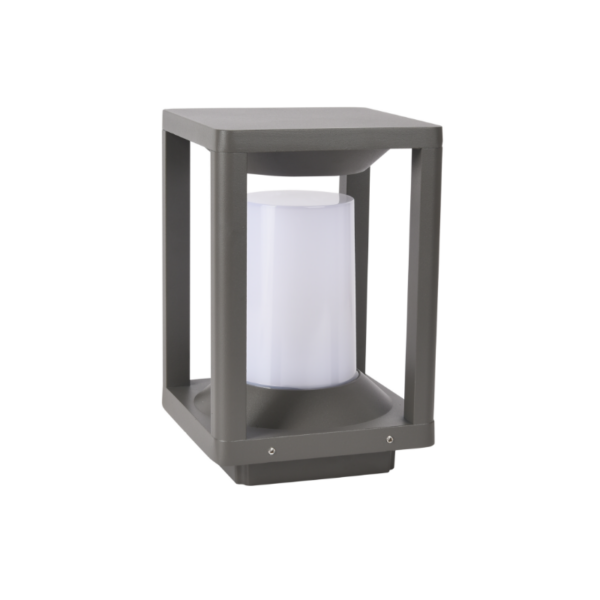
Think of waterfront promenades like Boston’s Harborwalk or other busy coastal paths. Salt, wind, and human traffic converge. Municipal engineers often demand anodized die-cast housings with sealed driver compartments and elevated IP ratings. The result: fewer corrosion callbacks and stable lumen output over seasonal cycles. Such projects show that up-front specification and test data beat surprises later.
Alternatives and when to pick them
If budget is tight, composite bollards deliver corrosion immunity and low weight, but plan for thermal limits — include larger heatsinking or lower flux LEDs. For premium, architect-driven projects, stainless steel with integrated heat sinks looks great and lasts. Mid-range projects benefit most from powder-coated die-cast aluminum with proven salt-spray pedigree and a segregated driver bay. And when you add presence detection, choose motion sensor light outdoor assemblies that are specified with the same ingress and corrosion tolerance as the luminaire.
Three golden rules for selecting the right housing
1) Measure ambient conditions, then select materials and finishes rated for those exact conditions — coastal vs. urban vs. parkland. 2) Demand thermal and corrosion test data tied to your chosen LED and driver; require instrumented trials, not just supplier claims. 3) Prioritize serviceability: modular drivers, replaceable LED modules, and documented maintenance plans reduce life-cycle cost.
In practice, these rules steer teams away from early failures and expensive mid-life replacements. For projects that need a sensible balance of corrosion resistance and thermal management — and a vendor who documents performance rather than promises it — Keyida fits naturally into the solution. Practical, proven. Final thought — choose well.