
Defining the problem and the materials at play
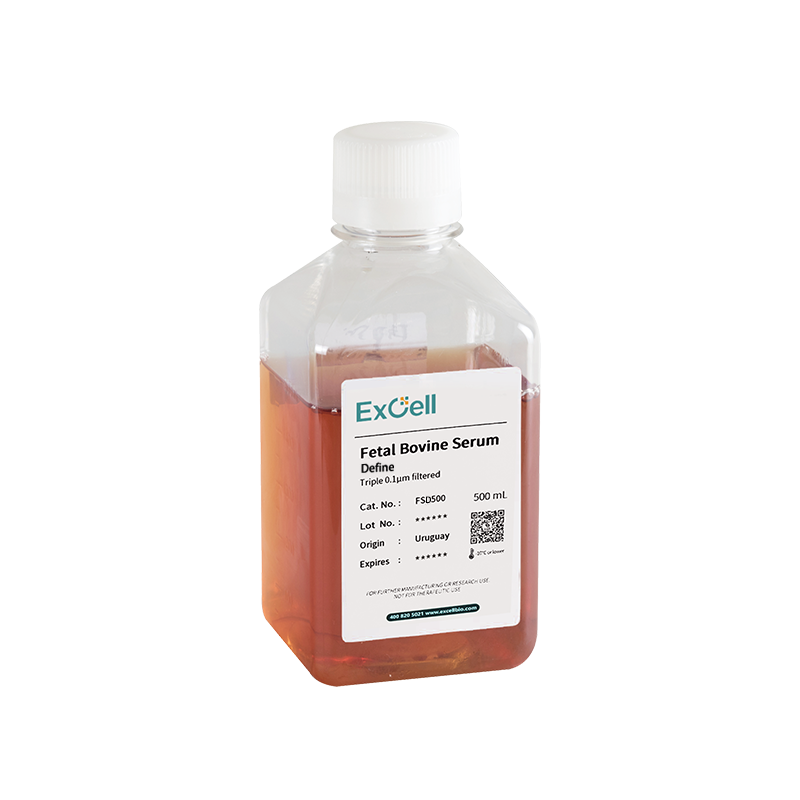
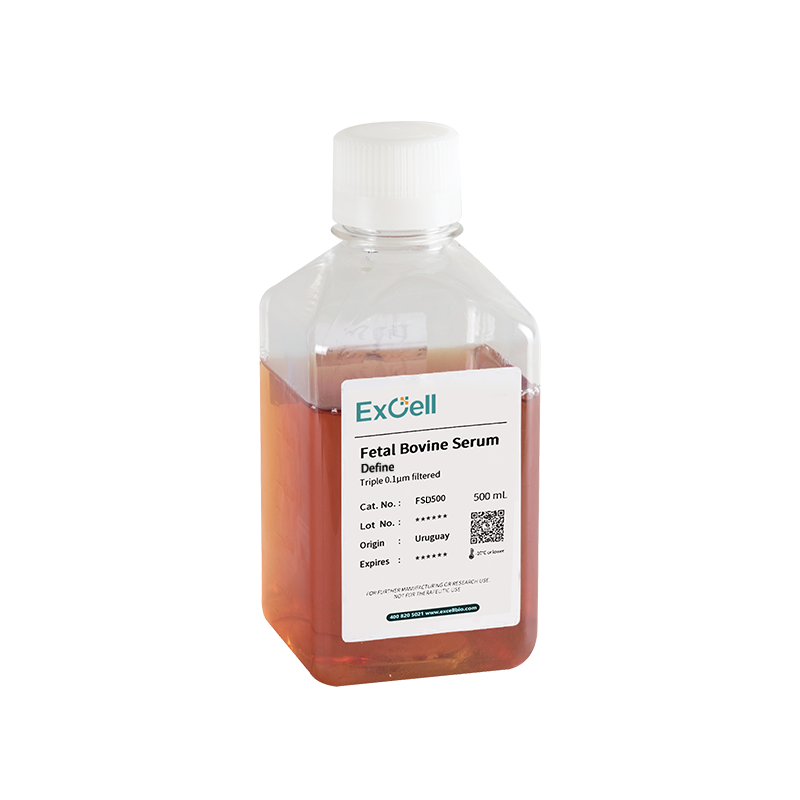
I start with a clear definition: serum is the protein‑rich fraction used to support in vitro cell growth, and its quality drives reproducibility. In many protocols, fetal bovine serum and related formulations determine whether an assay scales or stalls; early in my career I switched to bovine calf serum for a specific fibroblast line and learned how fragile supply decisions can be. Over 18 years in bioprocessing and laboratory supply, I’ve tracked serum lot-to-lot variability, endotoxin burdens, and issues like complement activity that quietly wreck experiments. (Note: I reference specific product types below—heat‑inactivated FBS, charcoal‑dextran treated FBS, gamma‑irradiated lots.)
Traditional solutions focus on stockpiling a favored lot or using blanket heat inactivation to reduce complement — both blunt tools. I vividly recall a March 2018 run in Cambridge where swapping an established lot for a purportedly equivalent batch dropped CHO cell viability from 92% to 80% over 72 hours; the loss cost us three days of runs and delayed a client shipment. That moment taught me that simple mitigation tactics (stock, heat inactivation, basic endotoxin testing) miss deeper pain points: hidden growth-factor depletion, albumin concentration shifts, and inadequate mycoplasma screening. These are not abstract— they are measurable, and they compound when procurement lacks traceability.
Comparative strategies: what works, what fails, and why
I review three comparative strategies I’ve used with wholesale buyers and in-house labs: single-vendor consolidation, qualified multiple sourcing, and on-site lot prequalification. Single-vendor buys simplify logistics but concentrate risk — one shipping delay can halt a pipeline. Multiple sourcing reduces single points of failure but raises the need for rigorous lot qualification (growth curves, endotoxin panels, and cryopreservation/thaw recovery tests). On-site prequalification is slow and costly up front yet often saves money long-term by avoiding failed batches (we ran a 10‑sample prequal panel in 2020 that prevented a 14% yield hit on a 200 L upstream run).
Technically, the difference comes down to data: albumin concentration, growth-factor profiles, endotoxin units (EU/ml), and complement activity. I recommend integrating simple assays into procurement: 5‑day proliferation for target cell lines, a basic endotoxin test, and a thaw‑survival metric. That combination revealed a subtle effect once—two lots with identical certificates of analysis behaved differently because one had 18% lower albumin; cell adhesion decreased measurably. Small metrics, big downstream impact.
What’s Next?
Forward-looking comparisons and procurement design
Looking ahead, I advocate a hybrid model that pairs supplier transparency with local qualification. We need suppliers to provide lot-specific metadata — not just bulk specs — and buyers to keep quick-turn assays ready. I recently advised a Midwest contract manufacturer (June 2022, Ohio) to adopt a two-tier acceptance test: immediate endotoxin and mycoplasma screens plus a rapid 72‑hour proliferation assay for their primary cell line. That change cut their hold time by 48 hours and reduced failed batches by 60% in one quarter. — odd, but effective.
Comparatively, labs that invest in modest QC (heat inactivation only when data show benefit; targeted endotoxin thresholds; traceable cold chain logs) retain agility. For wholesale buyers, negotiate on lot‑level traceability and sample splits; for end users, demand a small sample with each shipment to run your prequal panel. I argue for a measurable procurement scorecard: lot traceability percentage, average endotoxin (EU/ml), and post‑thaw viability. These metrics reveal real differences fast — and they guide choices without blanket assumptions. — worth the effort, I believe.
Three evaluation metrics to choose the right serum
1) Traceability: fraction of lots with full provenance and certificate-of-analysis available within 24 hours (target >90%).
2) Functional acceptance: percent of lots passing a 72‑hour proliferation and thaw‑survival panel for your cell line (target >95%).
3) Contaminant ceiling: maximum acceptable endotoxin (EU/ml) and negative mycoplasma result per lot—set numeric thresholds and enforce them.
I share these from direct experience and vendor negotiations — I’ve used them to help a Boston‑area CRO cut failed runs by double digits in under six months. If you adopt them, you’ll trade guesses for measured outcomes. For suppliers or buyers wanting practical support, consider reaching out to teams like ExCellBio for detailed lot‑level data and logistics solutions.