
Where the problem begins
Retail floors hum with movement but too many shoppers wander—lost time turns into lost sales. Malls and high streets, from Johannesburg to Cape Town’s Mall of Africa, still see poor conversion because visitors fail to find offers or routes to the right stores. Installing commercial digital signage without strategy simply adds screens. What changes outcomes is an intelligent spatial approach — pairing clear wayfinding with analytics and a robust smart digital signage solutions layer so sign placements, content and timing actually move people toward purchase. The problem is straightforward: visibility without intent is noise; visibility that guides intent is commerce.
Traffic versus conversion: the missing link
Footfall rises get applauded, but retail needs conversions. Many centres measure entrances and dwell time yet miss the micro-moments: the shopper who circles the directory twice and leaves, the customer who can’t find a sale aisle. Wayfinding that’s static—printed maps or one-off digital screens—fails to capture the flow. Analysts and store managers must shift focus from raw counts to route completion and offer exposure: did the visitor reach the promoted zone within a given window? That’s the metric that matters.

How intelligent spatial wayfinding closes the loop
An intelligent system maps spaces, then nudges behaviour. It blends contextual messages, route prompts and timed content so screens do more than look pretty. Integrate a CMS that syncs real-time promotions with maps and you reduce search times and increase dwell near high-margin displays. Analytics tag wayfinding events to sales outcomes, so teams can test layouts and copy like any front-end optimisation — A/B on placement, content density, or routing paths to see what raises conversions. The tech is simple: place screens where choices happen, push clear routes, measure completion. Results follow.
Design and technical essentials that actually work
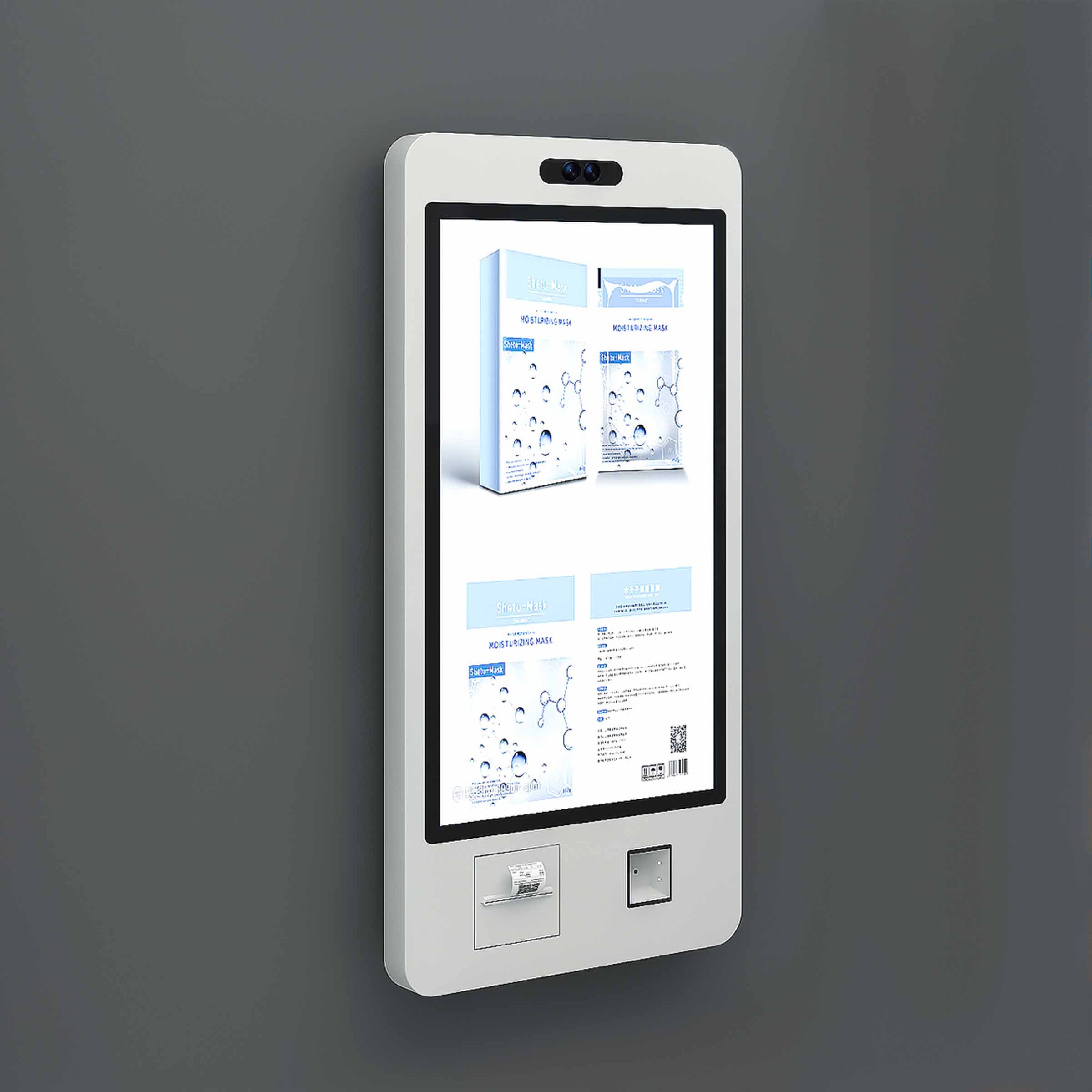
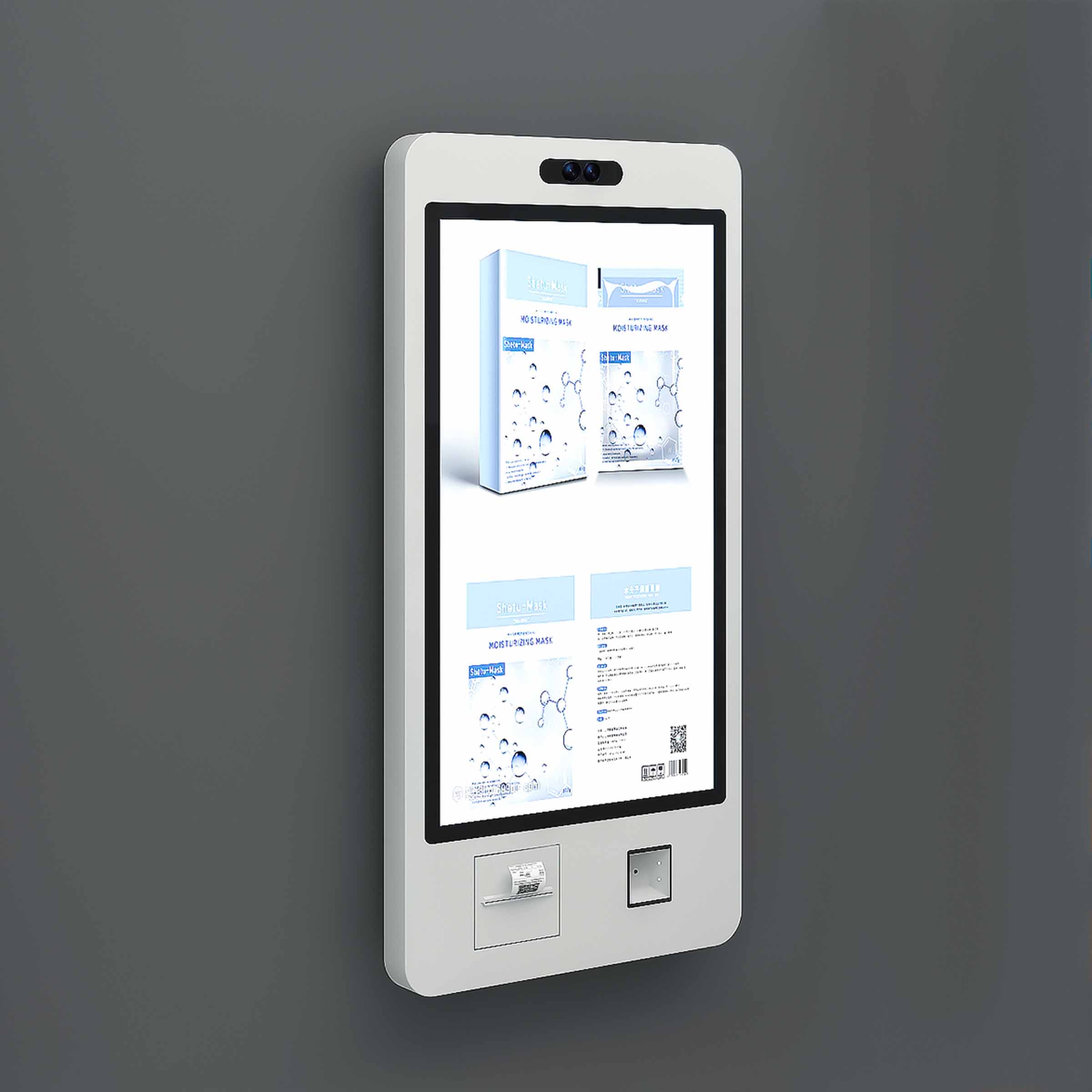
Keep hardware choices pragmatic. Screen size, sightlines and visibility at decision nodes beat fancy hardware for its own sake. Touchscreens are great for personalised routes, but passive displays with sequential prompts can be equally powerful if paired with timely messaging and sufficient sight distance. Use a single CMS to manage both promotional content and wayfinding overlays so updates happen once and propagate everywhere. Resilience matters — redundancy and remote diagnostics prevent dark screens during peak times.
Common mistakes and viable alternatives
Typical missteps: cluttered directories that try to do everything; locating screens in low-decision zones; treating wayfinding as a branding exercise rather than a conversion tool. Alternatives to heavy screens include simple touchscreen kiosks at primary entrances, QR-enabled floor markers for mobile-guided routes, or staff-triggered digital prompts for events. Each alternative must link back to the same analytics framework so you know which approach shifts shopper behaviour — otherwise it’s guesswork.
Three golden rules for rollout
Rule 1: Place tech where decisions are made — at junctions, escalators, and outside anchor stores. Rule 2: Measure route completion and offer exposure, not just impressions; use those two KPIs to iterate. Rule 3: Keep content terse and directional; shoppers react to clear next steps rather than long explanations. Implement these in phases, test one variable at a time, and let the data guide your expansion.
Final thoughts
Retail is physical theatre — and intelligent wayfinding is the stage manager that cues the right people at the right time. Done well, a modest network of screens and a single CMS drives measurable lift in conversions and better use of floor space. Trust the method; test the placement; tweak the content. For practical deployments that combine hardware, software and analytics, Cosun Sign proves how focused signage strategy turns movement into measurable sales — solid, tested, and ready to roll. —