
Practical framing for choice
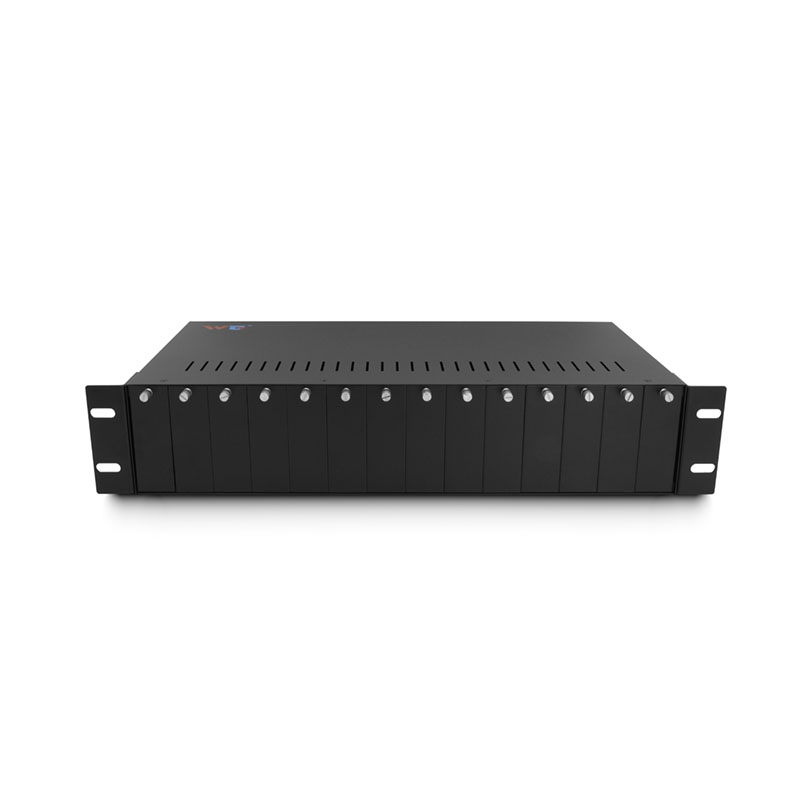
When an engineering team evaluates fiber optic media converter options, the core decision maps to operational control versus simplicity. Early in procurement, consult media converters manufacturers to align available modules with deployment constraints — that single step reduces rework and avoids incompatible SFP transceiver choices. This piece uses a comparative-insight frame to weigh attributes, field risks, and lifecycle costs so you can select a converter that fits topology, not just sticker price.
What “managed” and “unmanaged” mean in technical terms
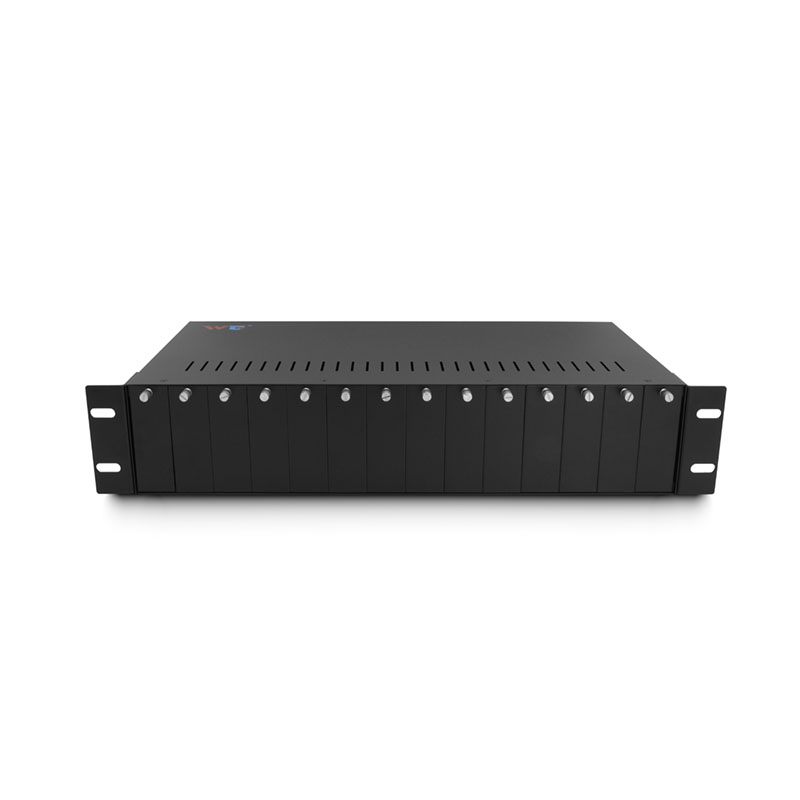
Managed converters expose configuration and telemetry: SNMP access, VLAN tagging, link aggregation compatibility, and firmware upgrades. Unmanaged units are plug-and-play, providing deterministic optical-to-Ethernet translation with minimal CPU overhead. The managed option introduces a control plane; unmanaged keeps only the data plane. For many sites, link budget and duplex matching matter more than CLI features, but management becomes crucial where fault isolation and policy enforcement are required.
When to choose managed
Pick managed if you need centralized monitoring, remote diagnostics, or fine-grained traffic control. Typical scenarios: multi-site aggregation, transit links carrying mixed VLANs, and service-provider demarcation. Managed units let you set SNMP traps for port flaps, push firmware, and integrate with NMS workflows — reducing mean time to repair (MTTR). They also support advanced features like QoS policing and RMON counters, which transform troubleshooting from guesswork into measurable events.
When unmanaged is the correct engineering call
Unmanaged converters excel where reliability and simplicity are primary: point-to-point links, isolated sensor networks, and brownfield retrofits with fixed-rate traffic. They minimize attack surface and firmware management overhead, yielding lower MTBF risk related to software faults. Use unmanaged devices when latency budgets are tight and you prefer hardware deterministic behavior over configurable complexity. — Simple often means predictable.
Key specifications to compare
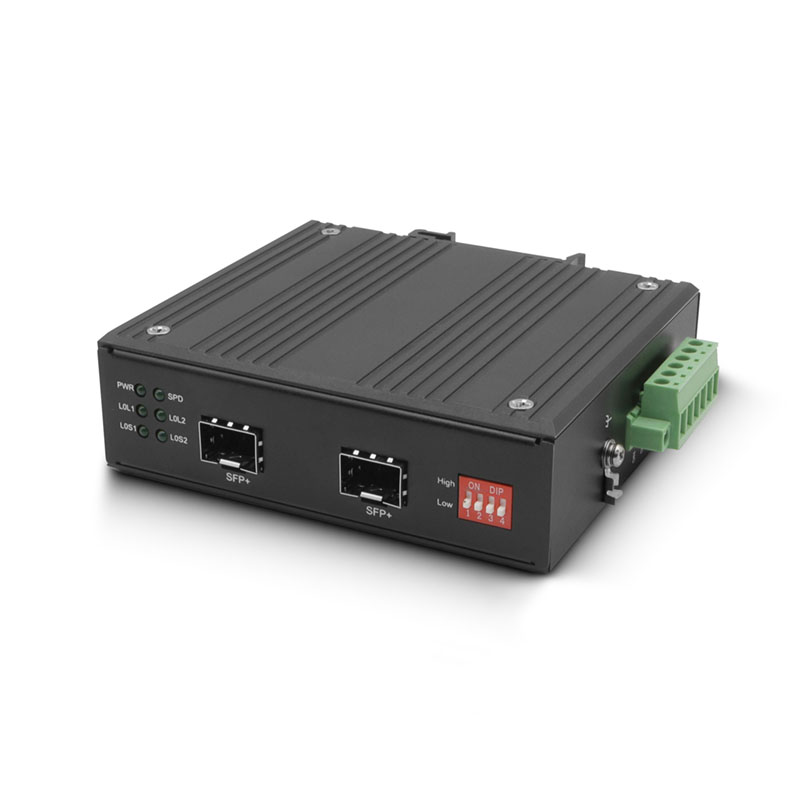
Focus on five objective metrics: link budget, supported wavelengths/connector types, SFP compatibility, mean time between failures (MTBF), and environmental ratings (temperature, shock). For managed units add CPU cycle allocations for control-plane tasks and maximum concurrent SNMP sessions. If you need an industrial media converter, ensure its enclosure, isolation, and surge protection meet site electrical and thermal profiles. Document those specs in procurement statements of work to avoid late-stage returns.
Common implementation mistakes and how to avoid them
Teams often mismatch fiber types (single-mode vs. multimode), misread SFP transceiver reach, or under-provision for future VLAN growth. Another frequent error: choosing managed hardware but not provisioning an NMS; the device’s capabilities then go unused. Conversely, buying unmanaged units for complex aggregation forces expensive workarounds. A practical checklist avoids this: confirm physical fiber type, run power and loss tests, verify SFP vendor compatibility, and map VLANs before ordering.
Operational teardown and hands-on validation
In a lab teardown, inspect the converter’s PCB silkscreen for thermal vias, evaluate connector strain-relief, and validate firmware update paths over the console port. Log real throughput with worst-case frame sizes and verify error counters under packet-per-second stress. During the operational production teardown, explicitly record {main_keyword} and {variation_keyword} for traceability in the bill of materials and labeling — that habit saves weeks during field troubleshooting. Real-world anchor: municipal deployments such as Chattanooga’s gigabit municipal network highlight how disciplined field validation prevents cascading service tickets after cutovers.
Short guidance checklist before buy
Three practical checks: 1) Match SFP reach and fiber type to site distances. 2) Decide whether you need SNMP/VLAN support for long-term ops. 3) Validate environmental specs for the rack or outdoor cabinet. These checks keep procurement tight and commissioning predictable.
Advisory close — three golden evaluation metrics
1) Deployment Resilience: measure expected MTTR reductions from managed telemetry versus the added complexity of a control plane. 2) Total Cost of Ownership: include firmware support, spare SFP inventory, and NMS licensing in multi-year models. 3) Compatibility Margin: ensure SFP, connector, and link-budget tolerances exceed site worst-case losses by at least 3 dB to accommodate splice and aging losses.
Decide with data, instrument the link, and specify defensible margins — that discipline aligns procurement with operations and positions the team to deliver predictable service. WINTOP. –