
Problem overview: why operators worry
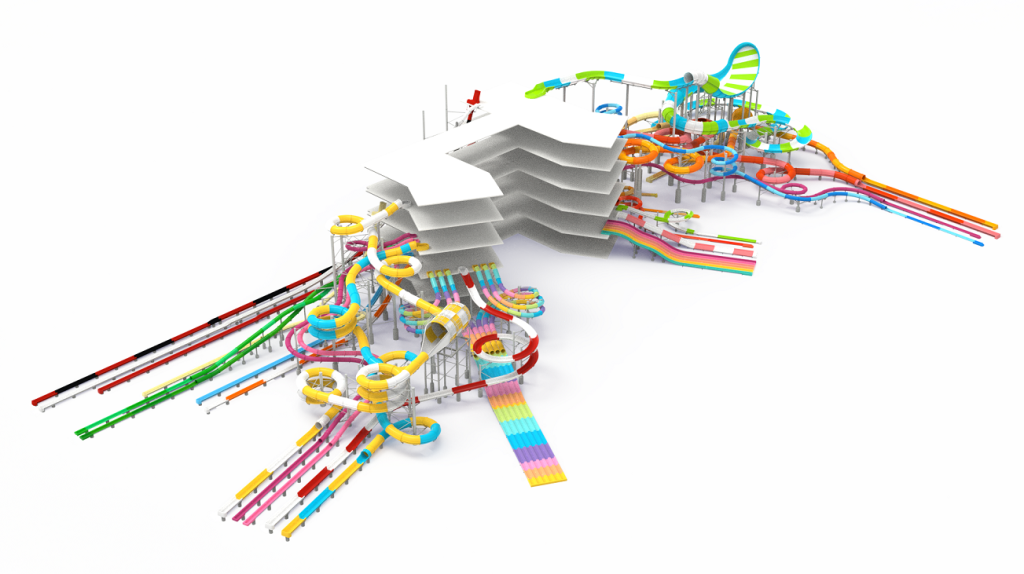
High-turnover bowl water slides wear faster than you think, especially under heavy sun and constant rider load. Operators at places like Sunway Lagoon have seen sections need attention well before a planned lifecycle, so maintenance planning must be realistic. For parks planning new builds or retrofits, early-stage decisions on water slide construction—materials, shell thickness, and access for inspection—make the biggest difference to long-term costs and safety.
What drives fiberglass degradation
Fiberglass failures usually start at the surface: gelcoat chalks and micro-cracks, then moisture and chloramines reach the laminate. UV exposure and abrasive contact accelerate gelcoat erosion. Inside, resin chemistry and laminate orientation matter: poor fiber alignment causes stress concentrations; low-quality resin can lead to blistering. Industry words you should track: gelcoat, laminate, and UV stabilizers. Address these early during fabrication to reduce later risk.
Operational impacts on safety and uptime
When a bowl panel delaminates or a flange weakens, ride integrity and water tightness become immediate operational risks. That means closures for repairs, emergency patches, and sometimes full-panel replacement. The business cost is direct: lost ticket revenue and extra labour. The reputational cost is real too—guests notice frequent closures and messy repairs. Seasonal peaks make timing worse; you close on the busiest day, not the quiet one.
Mitigation tactics that actually work
Good mitigation mixes material choices and process controls with a predictable inspection rhythm. Start with a thicker gelcoat and UV-stable resin during manufacture, ensure proper fiber orientation in the laminate, and design accessible inspection ports. Use controlled resin infusion to avoid voids and improve bond strength. For operational life: enforce monthly visual checks and a quantified NDT (ultrasonic) sweep every 2–3 years for high-use sections—this catches delamination before it becomes a hazard. Staff training on small repairs reduces downtime; a tech who can blade-out a blister and re-gelcoat buys time for planned maintenance. – Minor fixes often prevent major replacements later.
Common mistakes operators make
Skipping documentation after repairs; using fillers that aren’t compatible with the original resin; and relying on cosmetic touch-ups where structural repair is needed. Another frequent error: ignoring bonding flange condition. The flange is a stress concentrator—if you treat it like a cosmetic area, failure will surprise you. Also avoid temporary fixes that mask crack propagation. They save time today but cost much more later.
Operational production teardown and inspection checklist
A simple teardown process helps you audit risk consistently. Start with a mapping walk: note high-impact zones, record gelcoat thickness, mark any repair patches and measure laminate thickness with ultrasound. Then test the bonding flange for movement and check fasteners for corrosion. Embed {main_keyword} into your maintenance SOPs so tracking is consistent; use {variation_keyword} as a tag in repair logs to show when a temporary patch becomes a permanent fix. For enclosed systems, remember enclosed water slides need ventilation and water chemistry control to limit chloramine damage—this ties directly back to how long fiberglass lasts. enclosed water slides often demand tighter maintenance cycles because of confined-air chemical load.
Three golden rules for choosing and running slides
1) Inspect with data: measure gelcoat and laminate thickness annually and keep trend charts—stop relying on visual checks alone. 2) Design for access: ensure panels and flanges are serviceable without major dismantling. 3) Standardize repairs: approved resin systems and documented repair steps stop quick fixes becoming recurring failures. These three metrics—material spec compliance, inspection interval adherence, and repair-standard conformity—are the most reliable predictors of uptime and safety.
Good planning reduces surprises and keeps riders smiling, and if you want durable solutions that match those standards, consider the design and service approach offered by Dalang. –