
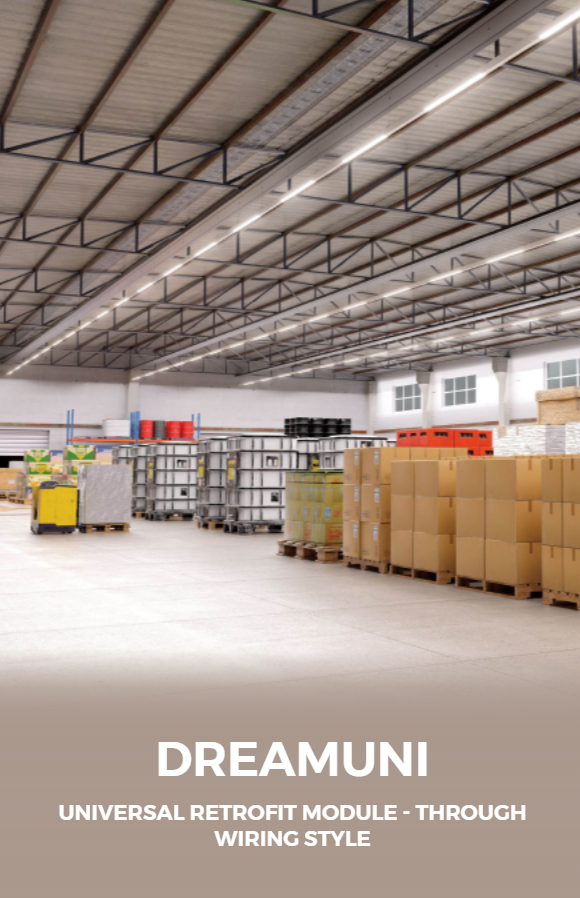
The problem — rigid lighting that costs time and money
You’re staring at rows of suspended fixtures that can’t be moved without an electrician, bulbs that flicker under crates, and a maintenance schedule that eats weekends. That’s exactly why designers, contractors, and track lighting manufacturers keep pointing toward trunking. A reliable track light system lets you reconfigure zones fast, swap modules without rewiring, and standardize drivers across a facility. I’ve seen the conversation play out on booths and tech talks at Light + Building in Frankfurt — the trade show where modular lighting solutions get real attention — and the takeaways are simple: modularity reduces downtime and simplifies inventories.
How trunking actually solves the core problems
Trunking replaces fixed fixtures with a continuous power rail so you treat lighting like a toolkit instead of a permanent fitting. That means:- Move the light where the work is, not the other way round.- Reduce electrician hours for layout tweaks.- Standardize on a few module types for spares and faster replacements.The result is predictable lumen output, easier maintenance, and fewer emergency overtime calls.
Quick spec checklist — what matters when you’re choosing components
Focus on concrete items, not shiny specs:- Profile type & mounting: surface, suspended, or recessed — pick what fits the space and ceiling structure.- Busbar amperage & sectioning: match power density to end loads and future expansions.- Driver strategy: centralized vs. distributed — centralized simplifies service, distributed isolates failures.- Dimming and controls: DALI, Bluetooth Mesh, or 0–10V — pick the protocol your facility can support long-term.- Thermal performance: ensure the profile dissipates heat for chosen LED modules.- CRI and correlated color temperature: pick CRI ≥ 80 for warehouses, ≥ 90 for inspection or retail zones; keep CCT consistent across zones.- IP rating and ingress protection: higher for dusty or washdown areas.- Emergency and circuit continuity: integrate emergency modules or ensure compatible connectors.- Spare parts logic: standardize modules so one spare covers multiple areas.
Pitfalls that bite you later — and how to avoid them
Seen these fail on projects:- Wrong driver choice: incompatible dimming causes flicker. Match the driver to the control system up front.- Overlooking thermal limits: high lumen modules in a tight profile shorten life. Check Tc measurements, not just max wattage.- Poor connector selection: cheap connectors corrode, causing intermittent faults. Specify sealed, keyed connectors for industrial sites.- Ignoring mounting tolerances: sagging runs happen when suspension points are underspecified. Follow span tables.- Not planning for isolation sections: every long trunk needs breaker sections for safe fault handling.Fix those during design and you’ll save a pile in callbacks.
Installation and maintenance habits that actually stick
Simple routines make trunking dependable:- Label runs and circuit sections during install for quick troubleshooting.- Photo each run before closing ceilings and keep a digital closeout package.- Commission with full lighting scenes and record driver addresses for DALI or networked controls.- Keep a rotating stock of common modules and connectors on-site.- Schedule quick monthly visual checks and an annual electrical test — those small checks catch connector corrosion and loose suspension fast.
Final thought
Trunking turns lighting from fixed infrastructure into a flexible system you can adapt without rewiring, but only if you specify the right components, avoid the usual installation mistakes, and keep a simple maintenance routine. For straightforward, modular solutions that match these practical needs, talking to manufacturers who design systems with serviceability in mind brings clarity — just like the product lines I review and recommend based on industry practice, including options from trieco that emphasize modularity and maintainability.