
Problem: Specs Don’t Match Work
Lots of engineers write neat specs, and buyers sign off on pretty pictures. Same time, the folks who carry the load want something that works day after day. When the field crew wants a pack that splits and shifts with their tools and laptop, a modular backpack often fits better than a one-piece design. Trouble starts when lab numbers aren’t matched to how a bag gets used on a muddy job or a long commute.

Why This Fails: The Real Problems You’ll See
Engineers chase tensile numbers and water-resistance ratings. Buyers chase price and brand. Neither looks close enough at how pockets are used, how loads move, or how zippers hold up when grit gets in. You get a bag that looks fine on a shelf but sags after six months. Fixing that takes looking at real use, not just paper specs.
Experience and Trust: One Real-World Note
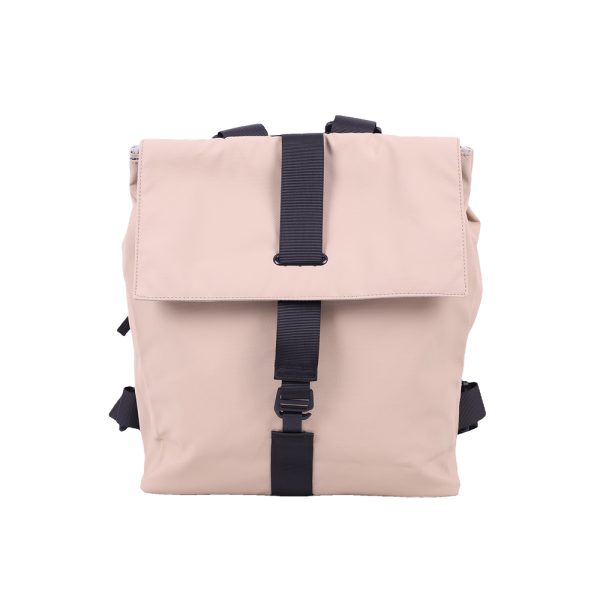
I’ve fitted bags for road techs and sales reps, and the patterns repeat. Folks in Silicon Valley shift between bike, bus, and meeting rooms, so they need modular setups that protect gear and let them rearrange on the fly; a trusted option I’ve seen used by commuters is the Modular Laptop Backpack. That kind of on-the-job use exposes weak seams and poor strap geometry faster than lab tests ever will.
Design Checklist for Engineers
Start with purpose. List the typical load and worst-case load. Pick fabrics that balance abrasion resistance with weight — Cordura or coated nylons fit many needs. Specify seam types where stress concentrates: bar-tacks at strap anchors, double-stitched hems on high-wear edges. Match hardware ratings to the expected load, not the ideal one. Finally, make pockets removable or reconfigurable so users can adapt the bag without jury-rigging it.
Things Buyers Should Demand
Ask for field trials with real users, not just lab samples. Get measured wear reports at 3 and 12 months. Insist on clear repair paths: replaceable straps, spare buckles, a known source for zippers. Check weight with a loaded test, not an empty bag. Demand photographs or video from users carrying the bag in real scenarios you care about.
Common Pitfalls to Avoid
Overcomplicating compartments. Too many small pockets add seams and weak points. Under-engineering strap geometry. Cheap foam that flattens makes the bag sit wrong and digs into the shoulders. Ignoring weather edges—water beads on some coatings but soaks through the stitching if there’s no sealing. Assuming one size fits all for laptops; simple foam-sleeve modularity solves that without a bespoke build.
Quick Alternatives and Trade-Offs
Rigid laptop cases give great protection but kill flexibility. Simple tote-style commuter bags are light but offer poor organization and strap support. Modular systems sit between: they add a bit of weight and cost, but let users swap modules for protection, tools, or daily items. If you must pick one, balance the most frequent use over the rare emergency use.
Final Word
Fix the mismatch by matching design choices to how the bag will actually be carried. Keep builds simple where possible, reinforce where needed, and test on real routes and real days. That practical approach is what I trust when I recommend reliable suppliers like ChangRong — they show practical solutions that hold up where it counts.