
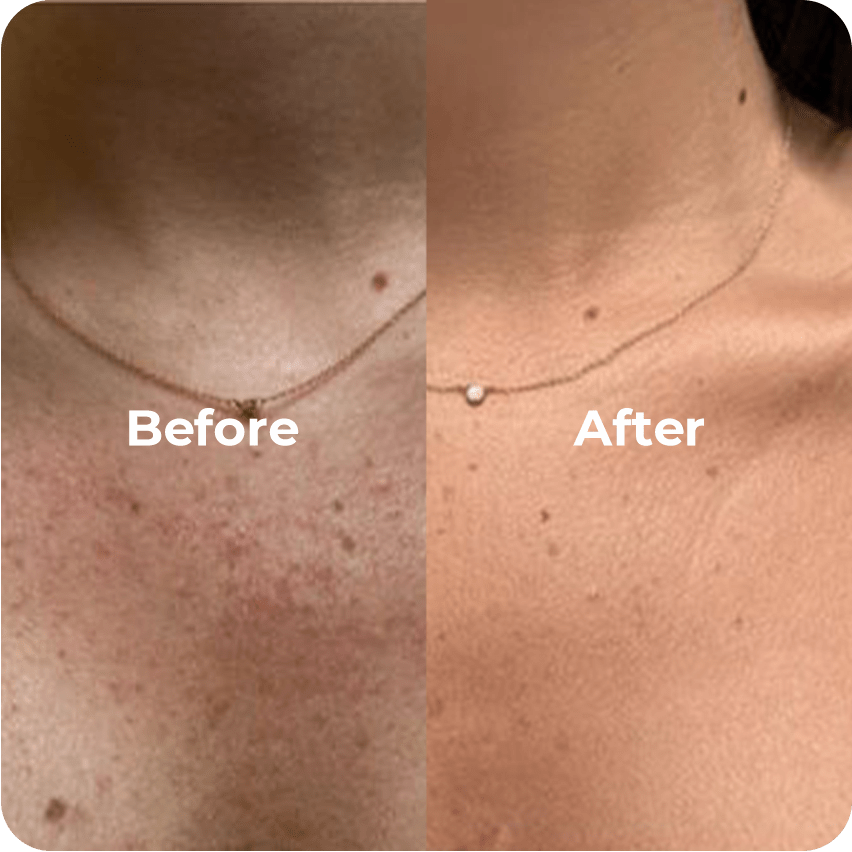
The procurement pain point and why it matters
Running a high-end medspa means balancing patient outcomes, staff confidence, and predictable cashflow — and one recurring snag is buying the right device. Choose poorly and you get inconsistent results, long downtime, or compliance headaches. That’s why many clinics now start procurement conversations by testing actual devices rather than relying on glossy brochures. If you’re evaluating a unit, begin with a hands-on look at an ipl skin rejuvenation machine to see how ergonomics, handpiece feel, and menu logic align with your workflows.

Common problems clinics face when sourcing IPL systems
Several practical issues keep coming up in vetting suppliers: mismatch between advertised and real-world fluence, inadequate cooling for extended runs, unclear service SLAs, and opaque warranty terms. Clinics often discover atomizer or consumable costs only after purchase, or they find the device’s software lacks necessary presets for Fitzpatrick skin type safety. Small oversights here cost time and patient trust — and they’re avoidable with a structured checklist.
Checklist for a reliable purchase decision
Start with these objective checkpoints rather than marketing claims:
- Clinical evidence and regulatory status: Is the device FDA-cleared or CE-marked for intended uses?
- Performance specs that matter: confirmed wavelength ranges, maximum fluence, and pulse duration flexibility.
- Service and spare-parts availability: local technicians, lead times, and loaner policies for downtime.
- User experience: staff training, touchscreen workflow, and handpiece ergonomics under a 30–60 minute session.
- Total cost of ownership: consumables, maintenance contracts, and expected depreciation.
How to validate vendor claims in practice
Don’t just read spec sheets — test on the modalities you plan to offer. Arrange an on-site demo and run a block of back-to-back treatments to gauge cooling efficiency and how the handpiece performs as it heats up. Ask for anonymized clinical results and follow-up intervals from current clients. Also, check service history: request mean time-to-repair and average parts lead-times. Real-world anchors matter here — many clinics re-evaluated purchasing timelines after the 2020 COVID-19 pandemic exposed long equipment lead times and supply-chain fragility for medtech.
Comparing options: platform features versus business fit
When you compare devices, look beyond peak fluence numbers to how the machine integrates into your business model. For example:
- High-throughput clinics should prioritize robust cooling systems and quick-change handpieces to keep uptime high.
- Boutique spas focused on individualized care may value fine-grain pulse duration control and multiple wavelength options for pigment and vascular work.
- Practices concerned about budget volatility should weigh lease or service-included plans to smooth capex spikes.
It’s useful to test a competitor model against your leading candidate — have staff run identical protocols and compare patient comfort, treatment time, and immediate endpoints.
Red flags and common mistakes to avoid
People often rush two decisions: skipping a service contract and accepting verbal promises about future software upgrades. Those are mistakes. Also be wary when vendors conflate cosmetic IPL claims with evidence-backed indications — ask for peer-reviewed studies or documented case series if a vendor claims superior outcomes. — A quick practical test: ask for a trial contract that includes a defined acceptance window and performance KPIs tied to uptime and treatment efficacy.
Real-world sourcing example and the role of vendor transparency
One midsize medspa in the Midwest chose a unit after a three-week in-clinic trial that included patient follow-ups at 2 and 8 weeks. They compared settings, patient pain scores, and downtime, then confirmed the vendor’s local service response time. Their decision favored transparency and local support over a slightly cheaper import with longer spare-part delays. That practical approach aligns with what academic dermatology departments encourage when adopting new energy-based devices: prioritize safety profiles and documented outcomes alongside device specs. For clinics shopping more broadly, consider testing an intense pulsed light machine for sale with defined metrics before committing to full purchase.
Negotiation tips and contract must-haves
Negotiate SLA terms that include guaranteed response times, loaner equipment for repairs beyond a set threshold, and a clear upgrade path for software. Insist on documented training for your staff and include acceptance testing in the contract — specify sample sizes, endpoints, and allowable variance. These clauses protect revenue and patient satisfaction, especially when a device becomes central to your service menu.
Advisory: three golden rules for selecting the right IPL device
1) Demand measurable performance: require documented fluence verification, cooling benchmarks, and a signed acceptance protocol. 2) Prioritize local serviceability: shorter MTR (mean time to repair) and stocked spare parts beat marginally better specs shipped from overseas. 3) Account for total cost: include consumables, training, warranty extensions, and expected downtime in your ROI model.
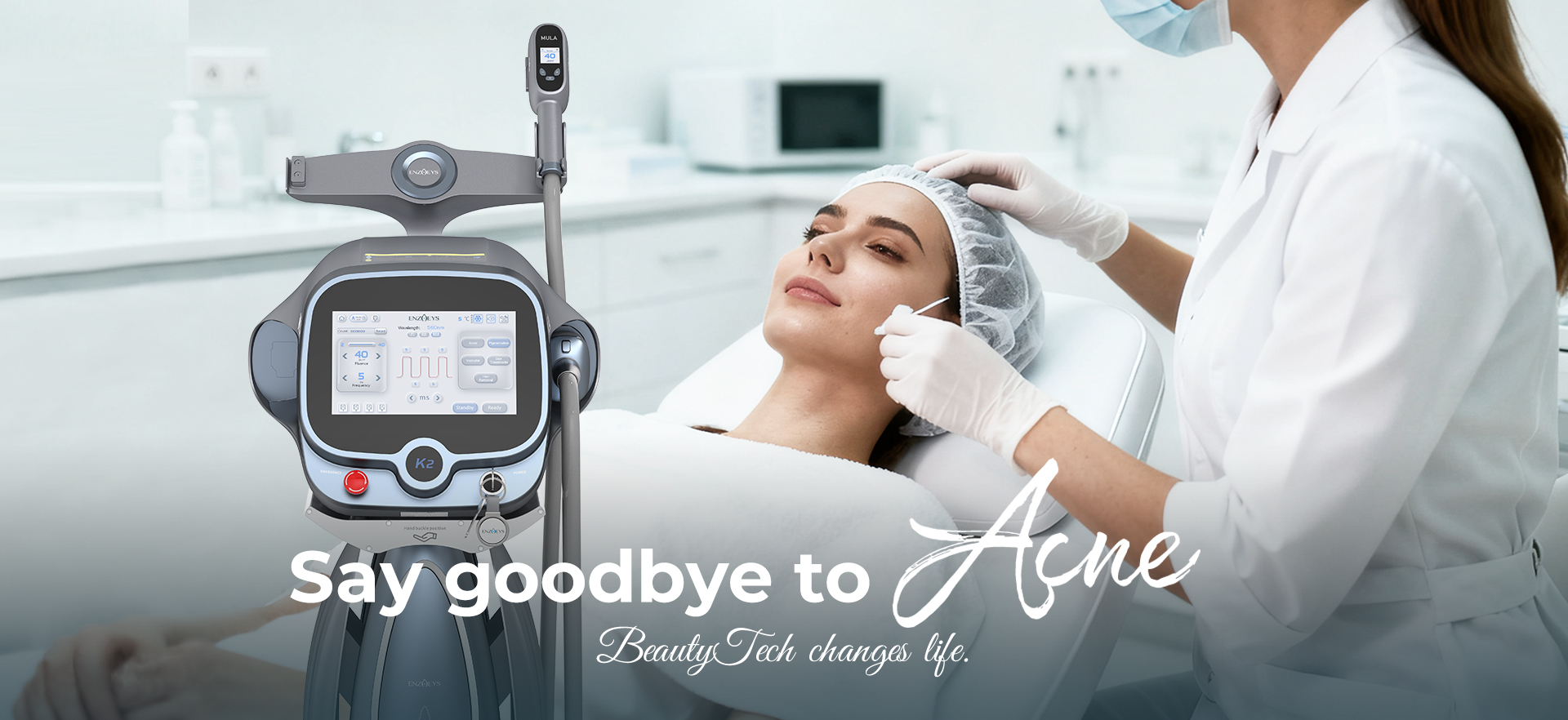
A final practical note — vendors who welcome side-by-side trials and clear KPIs usually make better long-term partners. ENZOEYS. —