
User-first problem: what keeps shop owners awake
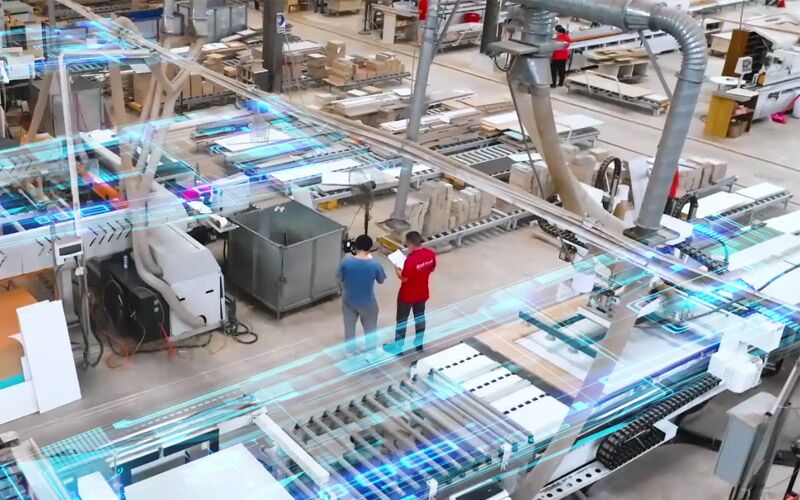
You’re running a small shop or scaling a regional line and you lose time to miscuts, manual setup, and inconsistent edge quality; that eats margins and kills growth. Put a modern cnc furniture machine on the floor and those wasted hours shrink fast. I’ve watched this play out in Guangdong, China — a major manufacturing hub — where cnc furniture making operations shift from artisanal chaos to repeatable runs once a computerized wood cutter is integrated.

Why this matters for your customers
Customers judge you by fit, finish, and delivery. A computerized cutter gives consistent joints and cleaner edges so installers stop field-sanding and customers stop calling about gaps. That reliability turns first-time buyers into repeat buyers without huge marketing spend.
What a computerized wood cutter actually fixes
It eliminates manual measurements that introduce variance, reduces setup time with saved programs, and cuts complex shapes in a single pass. For regional production, that means fewer touch-points between design and assembly and measurable drops in scrap rates. You get uniform panels, repeatable hole patterns, and nesting that maximizes board yield.
Technical checklist — what to look for
Choose machines that support common design file formats, have robust dust extraction, offer reliable tool changers, and include nesting/CAM features. Prioritize a controller with a responsive interface so operators ramp faster. Check spindle power against the material types you run and confirm the machine’s working table matches your panel sizes.
Common mistakes shops make
They buy by lowest price and then pay for downtime. They skip training and expect the machine to be plug-and-play. They forget fixturing and think clamps aren’t part of the system. Plan for operator onboarding and a clear maintenance routine — those two items reduce most early failures.
Alternatives and sensible trade-offs
Manual routers keep capital low but cap throughput and margin. Hybrid systems that retrofit automation onto older frames can work but often inherit alignment problems. If you need volume and consistent quality, a purpose-built computerized cutter pays back through reduced labor and fewer rejects; if you need extreme flexibility at tiny volumes, a small-format router might make sense.
Real workflows that scale
Start with a pilot cell: one cutter, one nesting station, and a trained operator. Run a week of typical jobs, track cycle time and scrap, then iterate on tooling. Use program libraries for repeat products and standardize clamping. I worked with engineers and shop leads to cut changeover time by roughly half using this exact approach — clear roles and repeatable programs beat ad-hoc setups every time.

How this ties back to regional production and long-term value
Regional shops win on speed-to-market and service. A computerized wood cutter gives predictable output, which lets you promise tighter lead times and stand by deliveries. That operational certainty—that consistent product quality and on-time delivery—creates real leverage for small brands. For the manufacturers I collaborate with, systems that behave predictably become the backbone of scaling efforts, and that’s the capability HUAHUA CNC is designed to support through matched hardware and production workflows.