
Introduction: A Room That Listens Back
You’re late to a hybrid meeting, and the room hums like a starship. The conference room mic system is online, lights blinking, but voices still smear at the edges. People lean in, then lean out; someone repeats the same update twice, and remote staff miss the point. Recent reports place audio issues among the top meeting complaints, with time lost to repeats and clarifications stacking up fast. If our offices now feel like mini control rooms, why do we still sound like we’re calling from a tunnel (on a windy day)? The answer sits at the seam between hardware, room physics, and network behavior.
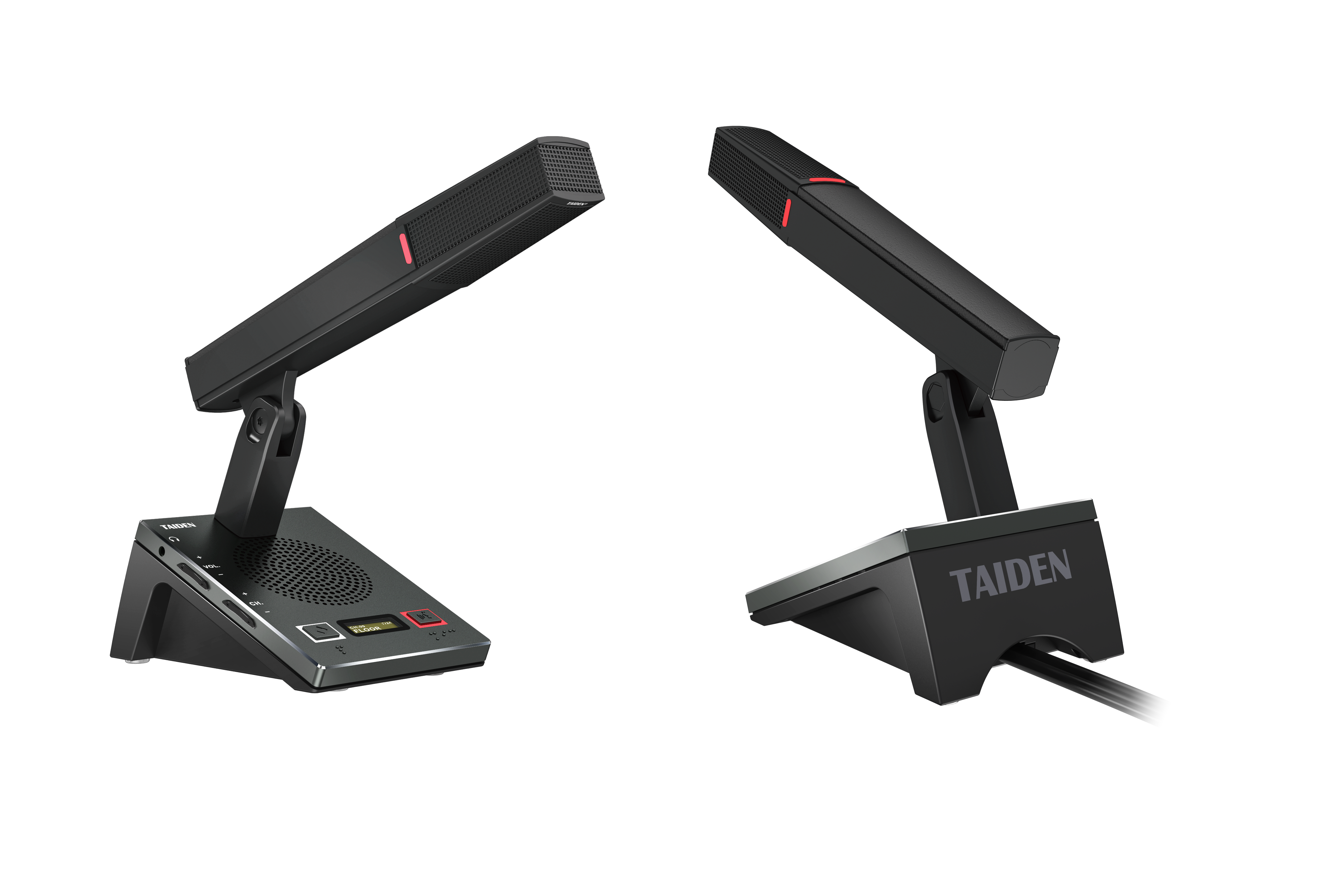
Here’s the comparative twist: better mics don’t always beat better system thinking. Signal flow, DSP, and how the room treats sound can overshadow raw specs—funny how that works, right? So let’s map the gap: where legacy choices break, what modern designs fix, and how “smart acoustics” re-frames the whole chain. Onward.
Part 2: The Hidden Friction in Everyday Meetings
Why do legacy setups still fail?
Start with the obvious, but often ignored: a fixed cardioid on the table hears hands, laptops, and HVAC before it hears the person. A single mixer profile tries to fit ten voices. Gain rides up, noise follows, and AEC fights the room. A seasoned wireless microphone manufacturer will tell you the flaws are not only in the capsule; they’re in the chain. When RF spectrum gets crowded, you get dropouts that no “louder” setting can cure. When DSP blocks are mis-tuned, beamforming arrays underperform and spill energy into reflective walls. Then IT locks down QoS, and your low-latency codec gets squeezed. Look, it’s simpler than you think: the system is only as strong as its weakest link—often the room and the network.
Traditional fixes miss this deeper layer. More mics can mean more phase problems and more open channels, not clarity. More gain means more HVAC and chair squeaks. The old recipe—add hardware, set a static EQ, and hope—ignores dynamic talkers and changing seating. Without calibrated AEC, proper gain structure, and adaptive noise gating, the room wins and voices lose. The result: listener fatigue, fractured transcripts, and meeting drift. Edge computing nodes help, but only if tuned to the space. Power converters and PoE matter, too, because ground loops and hum sneak in at the last mile. The symptom looks like “bad mic”; the cause is system design.
Part 3: Comparative Insight—Where New Principles Outrun Old Habits
What’s Next
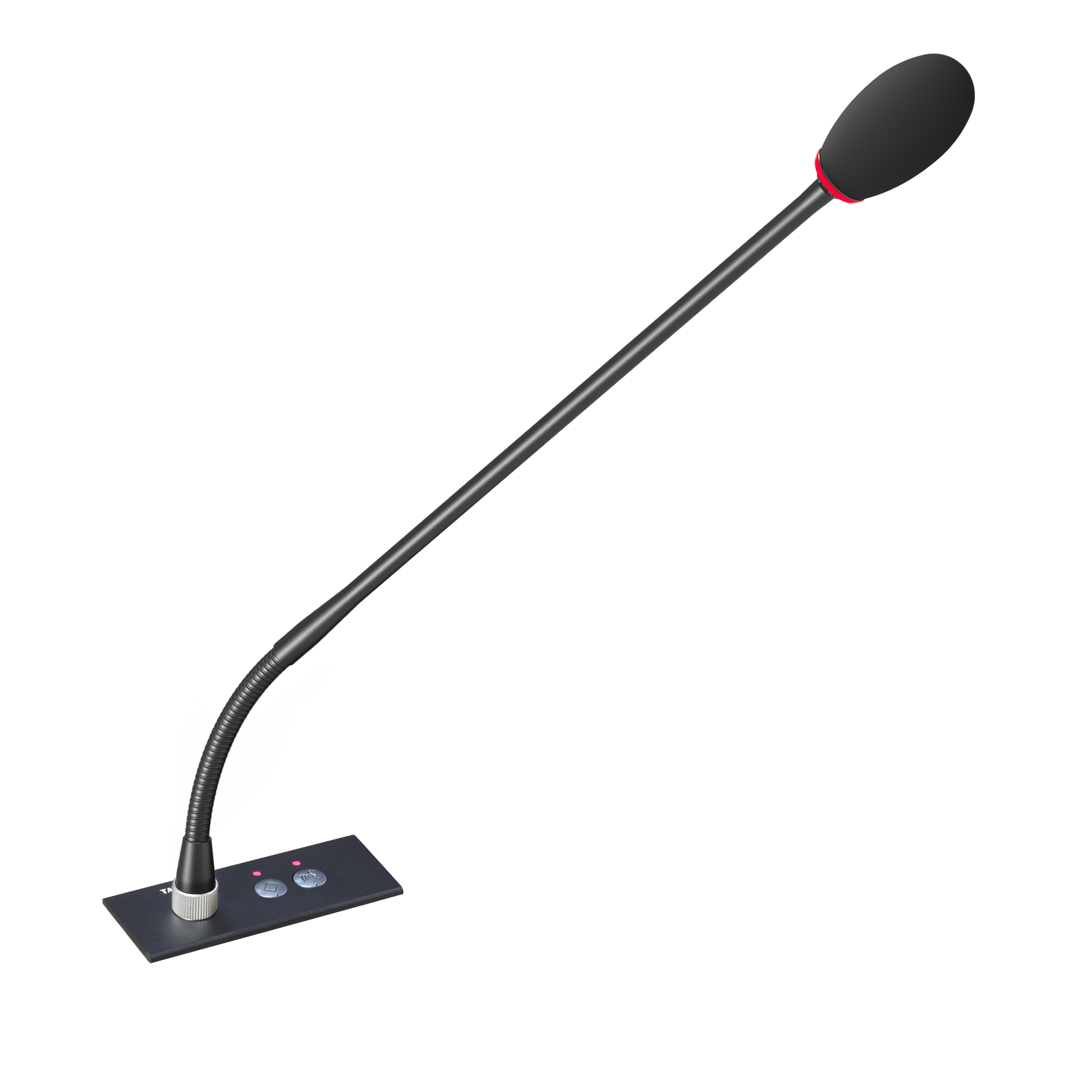
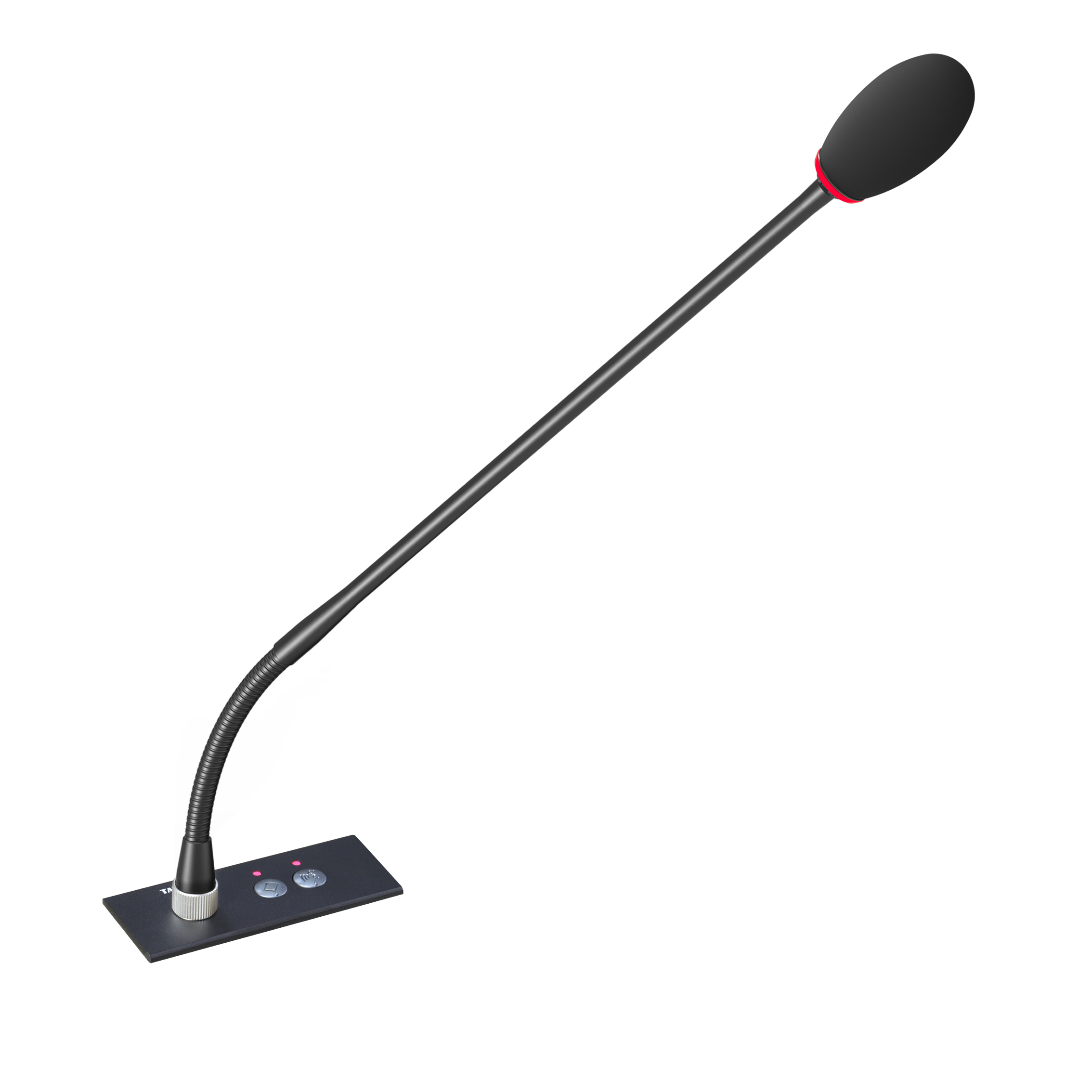
The forward path treats the room as part of the circuit. Modern systems combine adaptive beamforming, per-seat auto-mix gating, and context-aware DSP that learns the space. Instead of cranking volume, they track talkers, suppress off-axis noise, and keep end-to-end latency stable under load. A networked backbone (Dante or AES67) gives clean routing, while smarter AEC converges faster after every echo path change—like moving chairs, or opening a glass door mid-call. Pair that with a well-placed gooseneck condenser microphone, and you get reach without the rumble. Even when you go wireless, coordinated RF planning and channel scanning prevent collisions before they start. It’s less about “more gear” and more about “cooperative stages”—from capsule to DSP to switch.
Cases keep proving it. Teams that swap a table mic farm for two tuned beamforming bars and a few targeted goosenecks cut repeats and interruptions within weeks. Remote participants report less “edge blur” and more intent. Facilities see fewer support tickets because the auto-mixer stops chasing noise. And yes, the differences are measurable. Advisory close: when you evaluate options, lock onto three metrics. First, intelligibility under load: track word error rate or STI while multiple channels open. Second, stability: end-to-end latency and AEC convergence time after sudden layout changes—doors, chairs, bodies. Third, RF and network hygiene: coordinated spectrum use, QoS, and resilience against jitter. Nail those, and the rest follows—fast. For a grounded starting point and deeper specs, see TAIDEN.