
User-first opening: what you actually get
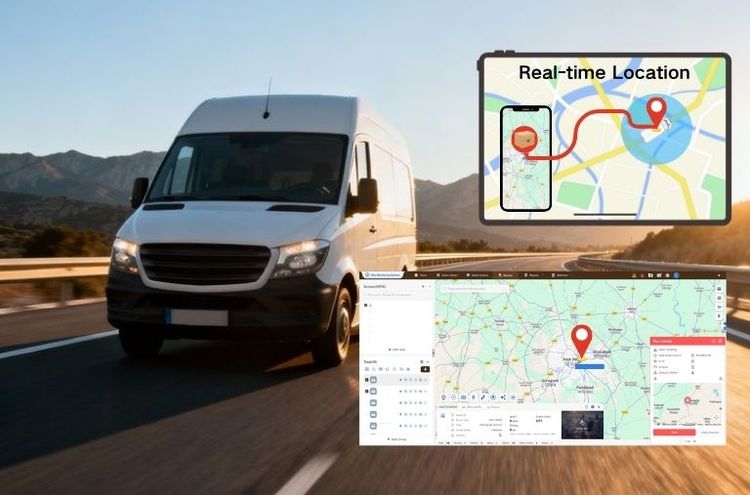
If you manage vans or light trucks, you want clear answers fast — who caused the incident, which side scraped the kerb, whether a driver stopped where they said they did. A 3-channel dashcam gives front, rear and cabin views so you get the full story, not just a guess. For small operators exploring options for van fleet management, this kind of setup removes a lot of finger-pointing and paperwork, especially on tight urban runs in Hong Kong.
What drivers and managers should expect
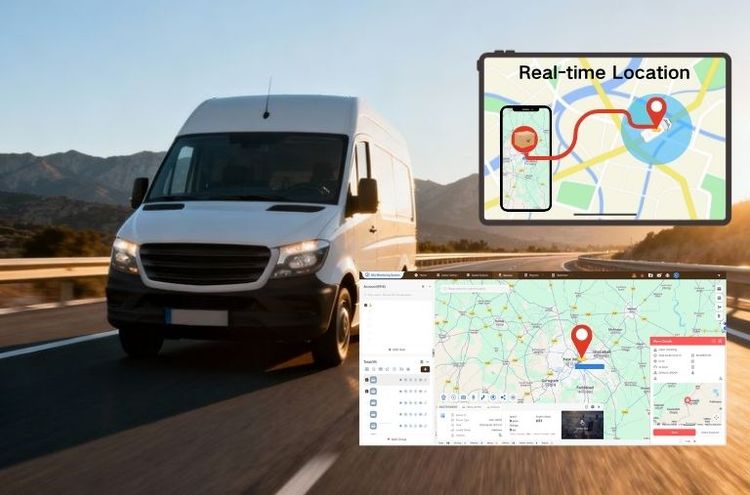
Think: evidence, real-time context, and easy retrieval. A good 3-channel system records synchronized video streams with GPS and timestamps. That means you can match a clip to a precise moment on the route. For everyday use, drivers appreciate simple controls; managers need quick access and clear export options. Both parties save hours on incident resolution when the footage is reliable and searchable.
Top features that matter to users
Choose features that solve daily pain points. Prioritise:
– Reliable multi-channel recording with automatic overwrite so storage never surprises you.
– GPS and time sync for firm audit trails.
– Easy clip export in common formats for insurance or police.
– Tamper-evidence and secure storage so footage keeps its integrity.
– Simple mobile or web access so supervisors can pull clips on the go.
Common mistakes fleets make (and how to avoid them)
Managers often pick systems by price alone, then discover poor night performance or flaky mobile apps. Drivers sometimes disable cabin cameras because they think privacy will be breached — explain rules clearly and set retention policies. Another trap: installing cameras with poor fields of view; a camera that misses the kerb or the loading door is useless in claims. Test the angles on a short trial run before rolling the system out to the whole fleet.
How a 3-channel dashcam compares with other options
Short comparison to help decide:
– Single-channel dashcam: cheaper, but leaves gaps in evidence.
– Telematics-only trackers: great for location and speed, poor for proving incident cause.
– 3-channel dashcam + telematics: best for full context — video plus precise location and event flags.
Installation and operational quick wins
Simple steps that cut headaches: get professional mounting so cables don’t snag; position the cabin lens to avoid driver glare; set sensible retention (30–90 days depending on local rules); and train drivers on both privacy and incident reporting workflow. Small routine checks — lens clean, correct time sync — prevent bad footage when you need it most.

Alternatives and when to pick them
If you run only long-haul deliveries where cabin monitoring isn’t essential, a dual-channel (front + rear) system may suffice. If cost is the hard limit but you still want some visual record, pair a single-channel camera with robust telematics, knowing you’ll trade detail for savings. For most urban delivery fleets wanting clearer proof and reduced disputes, multi-angle recording wins out.
Real-world credibility and practical proof
Having advised courier teams and installers on urban routes, I’ve seen fleets cut dispute times dramatically by using synchronized multi-channel footage. Combine that footage with a solid van tracking system and you get tight incident timelines and fewer contested claims.
Final synthesis — why this matters for your operation
If your priority is lowering downtime, settling claims quickly, and keeping drivers supported rather than blamed, a 3-channel dashcam gives straightforward, usable evidence. It pairs naturally with fleet tools and the right operational rules so footage becomes a neutral record, not a weapon. For operators that want a pragmatic, accountable setup that works day in, day out, trust the practical solutions built into BSJ.