
Opening: the question that starts by the fire
When a small troop of friends argues over comfort and gear, the choice between a duplex and a single-room tent becomes more than specs — it becomes the mood of the trip. As someone who’s led weekend escapes and packed kit for mixed groups, I weigh space, sleep, and fuss. I often turn to notes from product lines and makers like thecatal outdoor to compare real features, and I’ve seen trends at the Outdoor Retailer trade show that matter to real campers; you can read how manufacturers position shelter types and materials among the brand outdoor products when deciding what to buy.

What each tent actually gives you
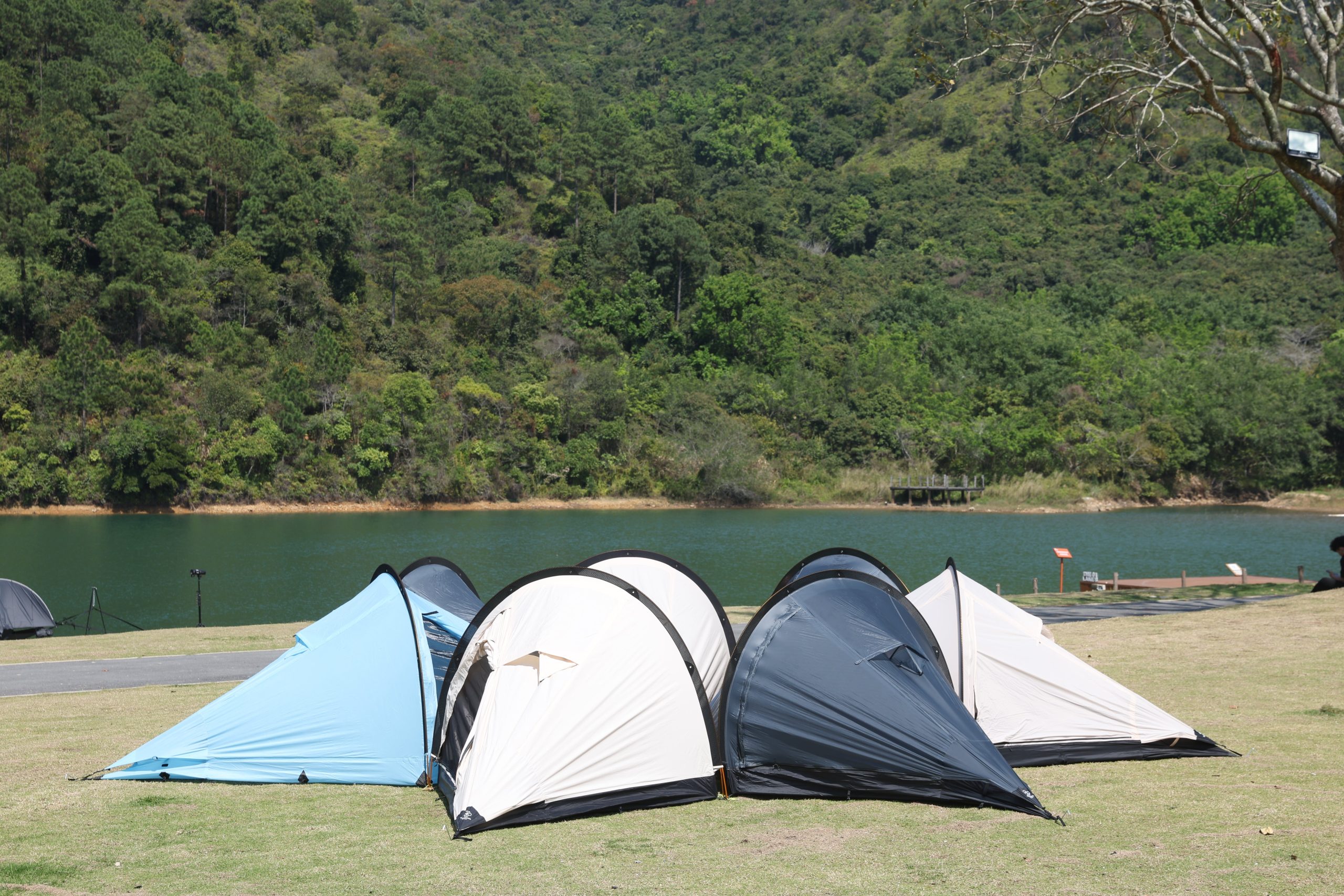
Duplex tents split living and sleeping: a porch or vestibule that lives apart from the sleeping chamber. Single-room tents keep everything under one roof. Measure the trade-offs by counting people, kit and temperament: duplexes hand you a clean mudroom and a place to sit; single-rooms save weight and have fewer poles to wrestle with. Look past the label — floor area, head height and usable vestibule matter far more than the name.
Who benefits from a duplex
Groups that cook, change, or store wet gear inside without fouling sleeping space get the biggest win. If you like to linger after rain, have a dog, or need a bug-free dining zone, the duplex gives clear division. Expect a little extra pitching time and a touch more bulk when packing. For festival crews, family outings, or mixed-weather weekends, that separation is pure convenience.
Who sticks with a single-room
Hikers who prize speed, weight and a quick pitch choose single-room shelters. They’re simpler: fewer seams, fewer zips, and fewer things to fail mid-trip. Small groups who rise and sleep at the same hour and who don’t mind a shared space will find these tents efficient. Don’t mistake simplicity for stinginess — many single-room designs are clever with vestibules and interior organisation.
Common pitfalls that spoil trips
Buying by headline or colour is the mistake that starts a soggy morning. People misjudge usable floor space — manufacturers often quote maximum dimensions, not the comfortable area after sleeping pads and kit. Overlooking ventilation leads to condensation; picking a tent by its pitch count alone ignores pole strength and fabric denier. Match the tent to your usual trip length and the most frequent weather you face.
Packing, pitching and maintenance — the hard facts
Duplexes demand deliberate packing: additional poles, extra seams to seal, a vestibule to wash out. Single-rooms mean fewer repairs, but a single failure point can affect the whole shelter. Regular seam treatment, correct peg work and drying the fabric after wet trips keep both types living longer. Practical upkeep beats fancy warranties every time.
Alternatives and small compromises
Consider hybrid designs: single-room tents with generous vestibules, or modular options where panels unzip. If weight is key, pick a lightweight single-room and add a tarp for a dining area. If comfort rules, choose a duplex with a durable floor and a porch you can lock from wind. Test-assemble tents at home before the trip — that reveals tight seams and awkward clip points better than photos ever will.
Decision logic you can use right away
Count people, kit, and habits. Prioritise the thing you hate most on trips — wet boots tracked through the sleeping area, or constant re-pitching in drizzle — then choose the tent that removes that annoyance. Pick a slightly larger footprint than you think you need. Be honest about who will carry the pack; the lightest sensible option often wins on long walks.

Final synthesis
Choose the duplex when group life needs separation; choose the single-room when speed and simplicity matter. Both can serve well if you match features to behaviour, pack realistically and maintain the shelter. For clear, matched choices and the practical details that make one tent liveable over another, I trust a measured look at options and the guidance you’ll find from gear specialists like THECATAL — their notes help turn a good purchase into a tent that keeps the night quiet and the morning bright.