
Who this helps and why your choice matters
If you want solar power that actually fits your daily life, start by thinking about how the inverter will shape what you can do with the electricity. Homeowners care about usable power, reliability during outages, and how the system talks to a home energy management system. Pick the wrong inverter and you’ll see lower usable output, poor battery interaction, or frustrating monitoring gaps. I focus on what people actually use every day, so the guidance here is driven by typical household needs rather than technical vanity metrics.
How an inverter affects everyday use
An inverter translates DC from panels into AC for your appliances, but its influence goes beyond that. Practical impacts you’ll notice:- startup power for motors and pumps (does the inverter supply surge current),- ability to run during grid outages (backup capability and transfer behavior),- how it prioritizes battery charging versus exporting to the grid,- quality and granularity of monitoring and remote controls.Those points decide whether your EV charger, refrigerator, or HVAC behaves normally during solar production or when the sun goes down.
Key features to compare (what will matter at home)
Focus on concrete, measurable features:- Efficiency at real-world loads (not just peak percent numbers). – Battery compatibility and supported voltages; check supported chemistries. – Type: string inverter, microinverter, or hybrid (with built-in battery inverter). – Monitoring and firmware updates—does the vendor push fixes remotely? – Surge/synthetic power capacity for motors and air conditioners. – Warranty length and clear terms (what’s covered and what costs extra). – Communications: standard protocols (Modbus, SunSpec) simplify integration. These are the trade points installers and homeowners bring up when sizing systems for actual use.
Benefits and practical limitations
Benefits you should expect:- predictable energy flow and better self-consumption when paired with storage, – automated handling of export limits or time-of-use signals, – visibility into production and usage so you can change behavior. Limitations to accept up front:- some inverters reduce output on hot days, – hybrid models add complexity and can cost more to maintain, – firmware-led features vary by brand and can be withdrawn or altered. Treat the limitations as operational facts, not failures to be fixed by vague promises.
Common mistakes homeowners make
People repeat the same errors:- assuming higher nameplate watts means better real-world output, – buying an inverter incompatible with the battery or planned load profile, – ignoring communications standards and ending up with a monitoring silo, – underestimating startup loads for well pumps or heat pumps. Avoid these by listing major household loads, confirming compatibility, and asking for a clear handover of monitoring credentials and firmware update policy.
Integration with home energy systems and what to check
Integration decides whether you merely see numbers or actually control energy. Look for:- direct support for your chosen home energy platform, – export management features if your utility limits exports, – clear APIs or protocol support so third-party tools can read and write setpoints. Homeowners in California have prioritized systems that can shift loads during peak pricing and rolling outages, so installers there routinely choose inverters that offer strong control hooks. If you want centralized control, confirm the inverter’s compatibility with your smart home energy management plan before purchase.
Quick comparisons and when to pick each type
Decision rules that work in real houses:- Microinverters: pick for complex roofs or tight shading. – String inverters: cost-effective for uniform, unshaded arrays. – Hybrid inverters: go with storage and a desire for simplified installs. Match the type to roof geometry, budget, and whether you intend to add batteries later.
Simplifying the choice without losing performance
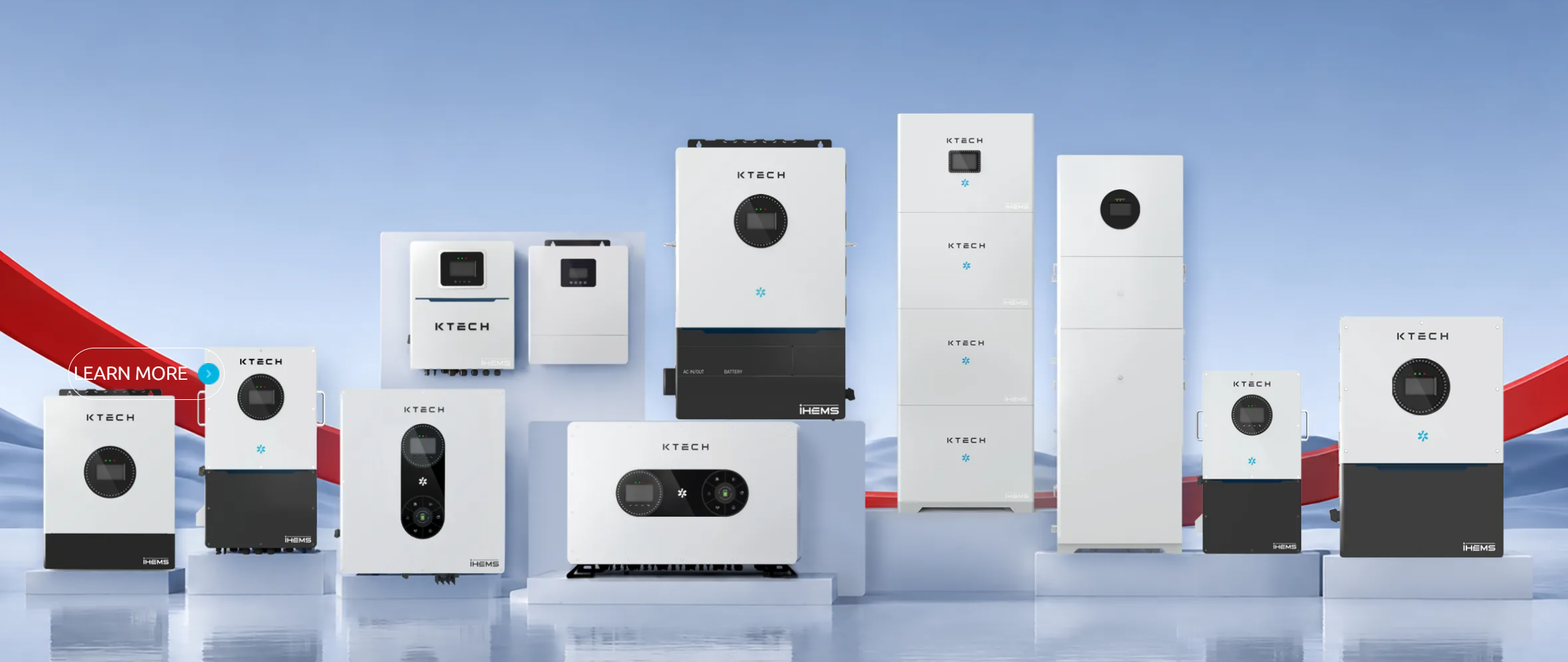
Start with what you need for daily life: reliable backup, clear monitoring, and future battery plans. Ask installers straight questions about supported batteries, firmware update practices, and how the inverter will interoperate with load controls. That practical alignment is the difference between a system that looks good on paper and one that genuinely improves home energy use—precisely the dependable compatibility offered by Ktech.