
The real problem labs keep tripping over
Labs and QA teams keep buying machines that look great on spec sheets but fail under real workloads — wrong load ranges, flaky software, poor support. That mismatch wastes time and money, and it’s the problem this piece tackles. If you’re shopping for test frames, hardness units, or environmental chambers, start by treating every purchase as an operational decision: what you need day-to-day matters more than headline specs. For straightforward comparisons and product overviews, check core references on material testing equipment to get baseline features and typical use cases straight.
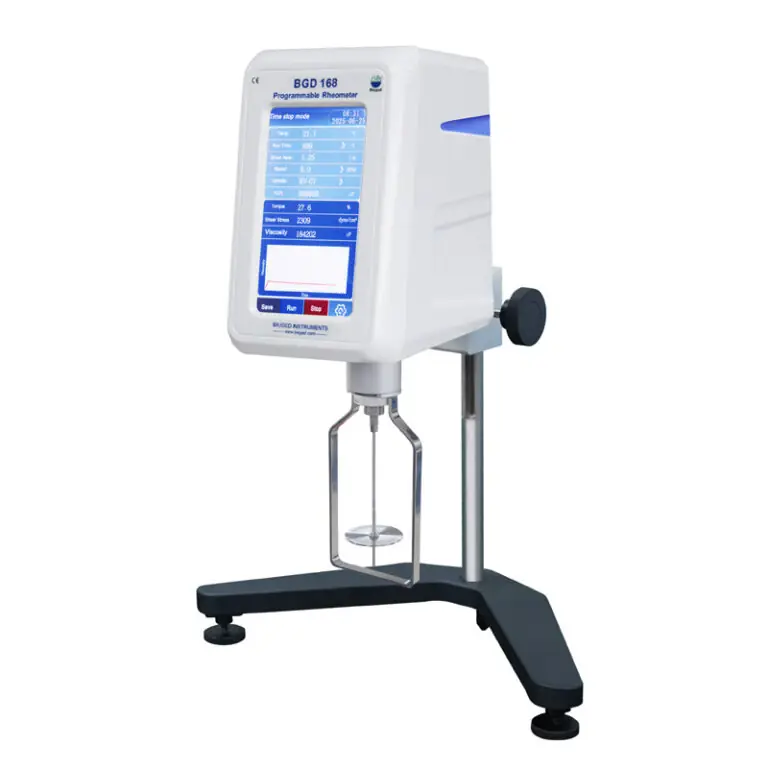
How the mistake usually happens
Teams buy by brand reputation, not use case. They copy what a peer lab has without checking throughput, consumables costs, software compatibility, or local calibration capability. A tester rated for 50 kN isn’t helpful if your samples fracture at 5 kN and you need mm-level displacement accuracy. Overlooking uptime and training is a repeat offender; so is assuming a single vendor will support everything. Those are the predictable failures to avoid.
Evaluating suppliers like a pro
Base decisions on hands-on demos, measurable specs, and supplier transparency. I’ve set up multiple testing benches and audited instrument logs against ASTM International standards while coordinating vendor training sessions, so I look for clear calibration records, spare-part lead times, and reproducible test procedures. Ask suppliers for local uptime references and on-site demo time, then compare their answers. If a vendor claims global support, verify regional service—this is where testing equipment supplier details matter most: they should supply concrete service timelines and documented maintenance plans, not just glossy brochures.
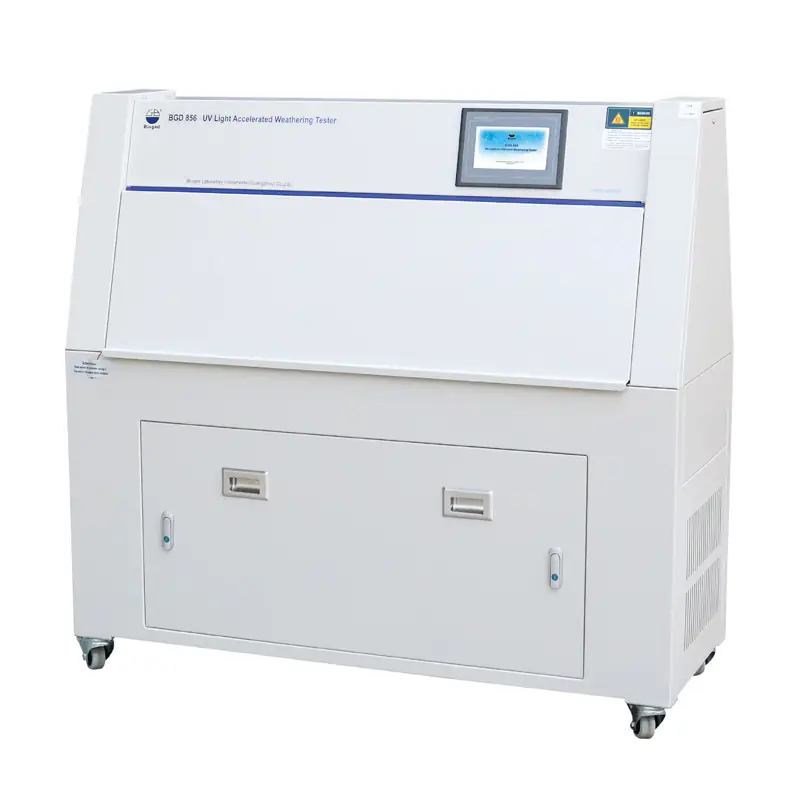
Common pitfalls to watch for
Don’t bank on software integrations without testing them. Beware unsupported legacy interfaces, vague warranty language, and optimistic lead times. Ignore tiny consumable costs; they compound. Skip one-off tests that don’t match your lab’s standard methods. And don’t assume field calibration is cheap—budget for certified checks and downtime when you plan purchases.
Alternatives and sensible trade-offs
If budget’s tight, buy robust core systems with modular upgrades rather than full-featured models you’ll never use. Leasing can keep equipment current but watch cumulative costs. Multi-vendor strategies reduce single points of failure but add integration work. For high-volume, specialized testing stick with dedicated systems; for varied sample types, favor versatile rigs with swappable grips and accessible support networks.
Quick checklist before you buy
Run through these steps: match range and accuracy to your worst-case sample; request a live demo using your specimens; confirm spare parts and service SLA regionally; get software trial access and exportable data formats; budget for calibration and consumables for the first three years. If a vendor can’t provide these, walk away.
Where this leads you
Buy decisions shouldn’t be guesses. Choose machines that fit your actual workflow, verify support and parts locally, and demand measurable performance during demos. When those boxes are checked, you reduce downtime and get consistent results — and that’s the sensible outcome BIUGED supports when pairing real lab needs with the right equipment.