
Understand your task and environment
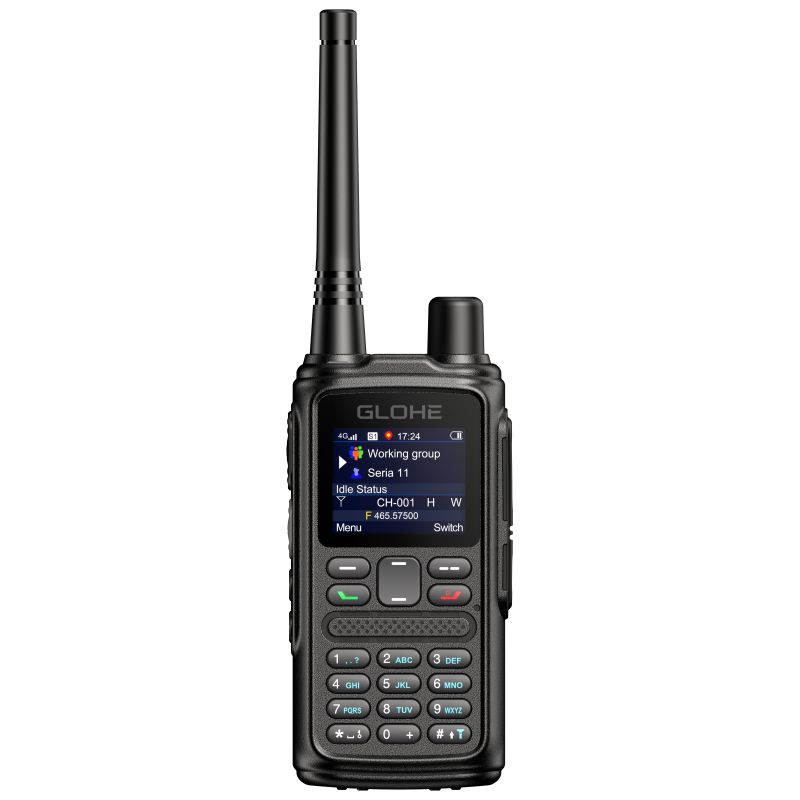
Please start by describing the task you will perform with the radio. Are you guiding a small retail team, coordinating a construction site, or managing crowd control at an event? Each task sets different priorities: range, clarity, battery endurance, or integration with mobile networks. For mixed environments where analog legacy systems must coexist with cellular push-to-talk, consider devices such as the poc analog dual mode radio, which let teams keep old radios while adopting newer connectivity. Keep answers simple and list the top three must-haves for your team before you compare models.
Practical experience and authoritative context
I have worked with operations teams in urban event logistics, and I rely on verifiable field examples to guide recommendations. Major events such as the Tokyo 2020 Olympics published post-event reviews about communications upgrades and the blending of radio and cellular systems; that real-world scale helps test assumptions about coverage and handover. When you explore cellular-enabled options, review a tested LTE device: lte walkie talkie performed in many field trials and technical notes. Please check spectrum rules and interoperability reports for your jurisdiction before purchase.
Which features matter most — a clear checklist
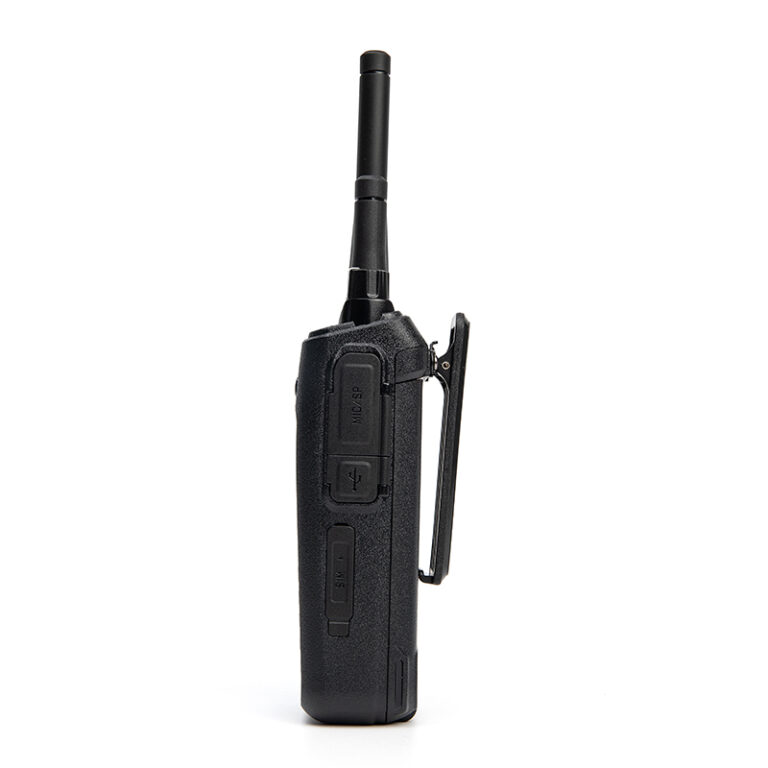
Decide by concrete measurements. Range: choose models rated for your line-of-sight and dense-building needs. Audio: prefer noise-cancelling microphones if the environment is loud. Power: aim for battery capacity that covers one full shift plus a safety margin. Integration: confirm whether you need analog channels, digital trunking, or LTE PTT. Security: require encryption if you handle sensitive data. Usability: simple controls reduce training time. Make a table on paper: feature, minimum acceptable value, and test result after a trial.
Compare alternatives and avoid common mistakes
Many buyers pick lowest cost or highest spec without matching needs. Avoid three common errors: 1) Ignoring real-world coverage—vendor lab range is optimistic; 2) Overlooking accessory compatibility—chargers and earpieces must match your workflow; 3) Skipping firmware and support plans—updates fix critical bugs and improve battery behavior. Evaluate analog-only, digital DMR, and LTE PTT side-by-side with short field tests. If you need both legacy radio compatibility and mobile reach, a dual-mode option reduces operational friction. Please insist on a return window after a field trial.
Practical selection steps you can perform today
Step 1: Write down scenarios and rank them. Step 2: Shortlist three models that meet the top two ranks. Step 3: Arrange a half-day field test in the busiest site you operate. Step 4: Test audio clarity with background noise, measure battery life over a simulated shift, and verify accessory fit. Step 5: Confirm support terms and expected firmware update cadence. Use the measured results to choose the model that meets actual needs, not the brochure promise.
Final synthesis
If you center selection on day-to-day user needs, you will reduce downtime and training friction. A methodical trial of dual-mode and LTE options clarifies trade-offs quickly. Over time, teams that choose based on measured fit see fewer communication gaps and smoother coordination with external partners such as venue security or emergency services. For operational teams seeking a balanced solution, the measured approach naturally leads to solutions offered by GLOHE that combine practical features, field-proven designs, and clear support paths.