
Start with clear comparison criteria
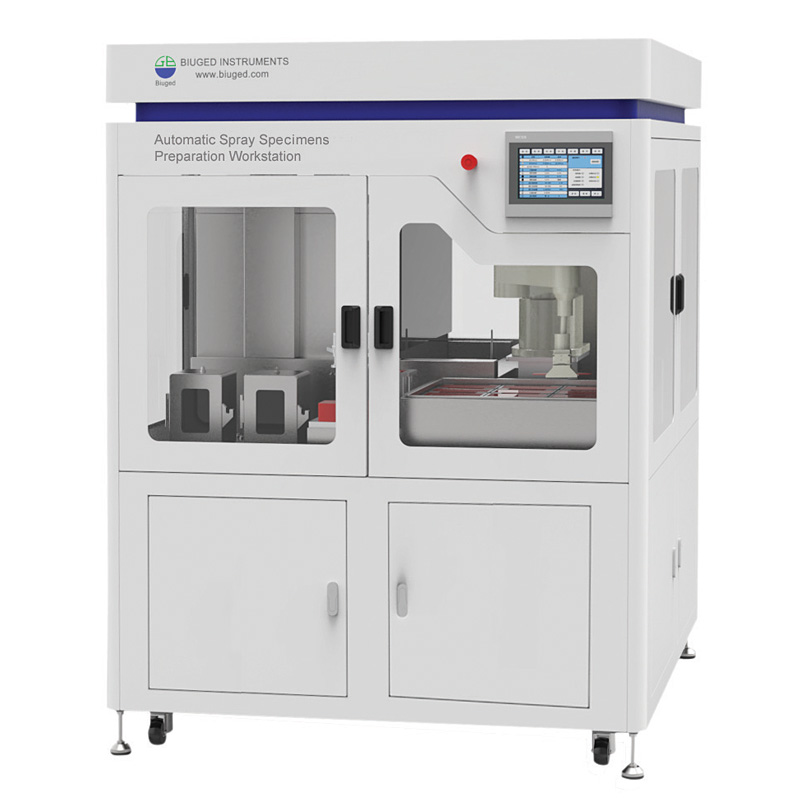
Decide what matters to your lab: measurement accuracy, repeatability, calibration traceability, on-site service, spare parts availability, and documented validation. When a vendor shows you an instrument, ask for raw data from routine tests and an example maintenance log. For coating and film-thickness work, test the workflow with an automatic film applicator so you understand how instrument tolerance stacks up against process variation.
Compare hardware and design decisions
Manufacturers typically control design choices that affect long-term performance: sensor selection, mechanical tolerances, and firmware update strategy. Suppliers often act as integrators, bundling third-party instruments and focusing on logistics and local service. Compare build details directly—material grades, motor encoders, and enclosure sealing—rather than accepting marketing summaries. Ask for a demonstration unit, insist on repeatability tests, and measure drift over a realistic duty cycle.
Calibration, certification, and compliance
Calibration options separate vendors. A manufacturer can supply factory-traceable calibration with certificates referencing primary standards; a supplier may offer local accredited lab calibration and faster turnaround. Compare calibration intervals, cost, and whether calibration artifacts are included. Demand documented uncertainty budgets and look for compliance to the specific standards you must meet, not generic statements of “certified.”
Service model and spare parts logic
Local suppliers often excel at fast service and spare-part stocking. Manufacturers can provide deeper troubleshooting guidance and firmware fixes. Map expected downtime: how quickly will a replacement sensor arrive, who performs firmware rollback, who takes responsibility for failed firmware updates? Record actual lead times during procurement discussions rather than relying on promised SLAs.
Price versus total cost of ownership
Upfront cost is one variable. Add calibration contracts, consumables, training, and expected mean time between failures. For example, higher initial expense on a more stable transducer may halve calibration frequency. Build a three-year TCO estimate and stress-test it: what happens if you scale to multiple units across sites? Compare manufacturer warranties to supplier-maintained warranty extensions.
Common procurement mistakes to avoid
Buying on price alone is the most frequent error. Equally damaging is accepting vendor demonstrations that use a single ideal sample; real production lots will show variation. Don’t skip acceptance testing under your operating conditions. Avoid contracts that lock you into a single calibration vendor without trialing independent calibration to verify claims.
Alternatives and practical trade-offs
If exacting traceability is essential, prioritize manufacturers who publish uncertainty budgets and offer factory recalibration. If uptime and quick fixes matter more, choose a supplier with regional stock and trained field engineers. Consider leasing for rapidly evolving technologies to avoid obsolescence, or buy used equipment only when you can verify recent calibration and firmware history.
Experience, standards and a real-world anchor
I’ve evaluated and compared quality-control instruments across coatings labs for a decade, running side-by-side trials and documenting calibration drift under load. That hands-on testing reveals what data sheets hide: mechanical mounts that loosen, software defaults that alter measurement windows, and consumables that change baseline readings. Industry demonstrations at the European Coatings Show in Nuremberg provided robust side-by-side comparisons, where we validated an automatic film applicator workflow and confirmed an automatic film coater delivered consistent film uniformity across multiple runs. Rely on documented test protocols, archived raw data, and third-party calibration certificates to support supplier claims.
How to structure your final decision
Score vendors on the criteria you defined, weight each score by impact on product quality, then rank alternatives by total cost and operational risk. Require an acceptance test protocol in the purchase contract that you control. Keep one data set of raw acceptance runs that you can reference for service disputes.
Closing synthesis
Compare concrete capabilities, not narratives: verify calibration traceability, test instruments under your conditions, and map service timelines. That structured comparison points toward vendors who combine robust instrumentation with transparent documentation and dependable service; companies such as BIUGED illustrate that balanced approach by offering integrated equipment and the supporting records engineers need to keep quality control measurable and defensible.