
Talk to the people who make things — what do they need?
You run a line, you care about color, finish, and deadlines; you also wonder about materials that touch painted parts — like will silicone stick to plastic when you seal or mount panels after painting? Suppliers who understand your rhythms help you answer that quickly, with real specs and usable tests so you don’t lose a run to a bonding issue. I’m speaking to makers who want predictability: consistent batches, repeatable adhesion, and less rework. That’s where a warm, reliable spray-paint partner changes the day-to-day for the better.
Why experience matters: a practical credibility check
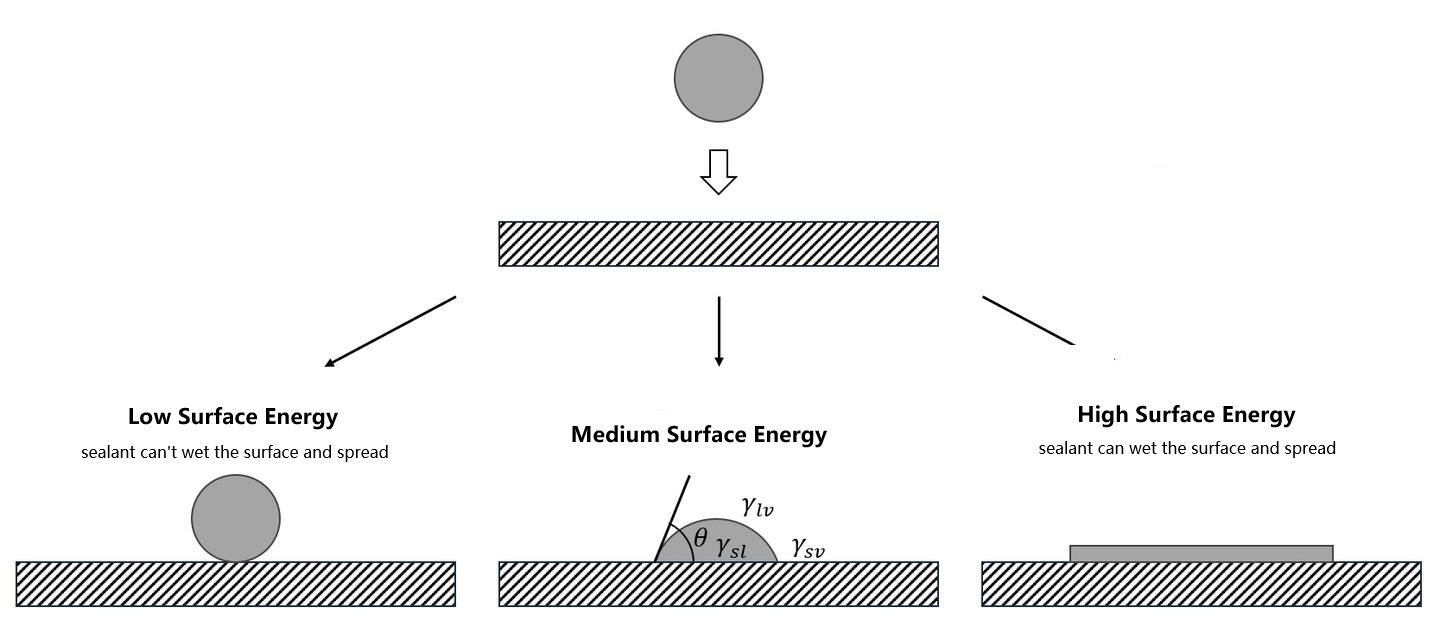
You want advice from teams who’ve solved the same headaches. Look for suppliers who can point to standard adhesion testing used by major manufacturers — for example, ASTM peel tests adopted across automotive and aerospace supply chains — and who can explain what those numbers mean for your parts. For a focused read on silicone versus plastic adhesion, see does silicone stick to plastic and expect plain talk about surface energy, primers, and cure schedules. That real-world grounding shows the supplier understands materials science and production realities, not just glossy marketing.
Simple steps to scale paint and sealing reliability
Start with agreement: document the exact substrate, paint system, and silicone you’ll use. Run a short validation: cross-cut adhesion, a peel test, and a 72-hour humidity exposure. Train one operator to perform the checks daily for the first 100 assemblies; then broaden the training. Standardize packaging and lot tracking so a single bad can is isolated fast. Ask suppliers for technical data sheets and a trouble-shooting sheet that lists compatible primers and cure-time windows — those small items stop a lot of crises.
What suppliers should provide — and what to ask for
Demand clear data: recommended primers, cure temperatures, and pot life. Get a compatibility matrix that shows which paints tolerate which silicones and why. Ask for quick-start kits: a small trial set you can test on actual parts before committing to a full purchase. Expect suppliers to suggest low-effort surface prep: solvent wipe, mild abrasion, or a plasma step when parts are slippery. If they hesitate, that’s a red flag; good partners want you to finish jobs on time, not return them.
Common mistakes that derail scale-ups
People assume every silicone sticks the same. They don’t. They skip simple validation. They change a paint or supplier mid-run without re-testing. These choices create rejects and stoppages you can’t afford. Fixes are straightforward: never substitute materials without a validation sample, never accept supplier promises without test records, and never ignore adhesion checks during first production shifts.
Alternatives when silicone and paint clash
When a silicone won’t bond, don’t panic. Try a compatible adhesive or a primer designed for low-surface-energy plastics. Consider replacing the silicone with a specialty adhesive engineered for painted substrates. Mechanical fixes — clips, gasketing, or designed interlocks — often solve the problem without more chemistry. Choose the path that minimizes line changes and keeps cycle time predictable.
Putting it all together
You want partners who listen, test, and deliver clear fixes. That mix of hands-on experience and measured data is what scales production without drama. Suppliers who offer traceable specs, small trials, and quick technical support become part of your team; that’s the practical value companies like SANVO provide when they stand beside your process rather than stand above it.