
Introduction: Why a framework matters
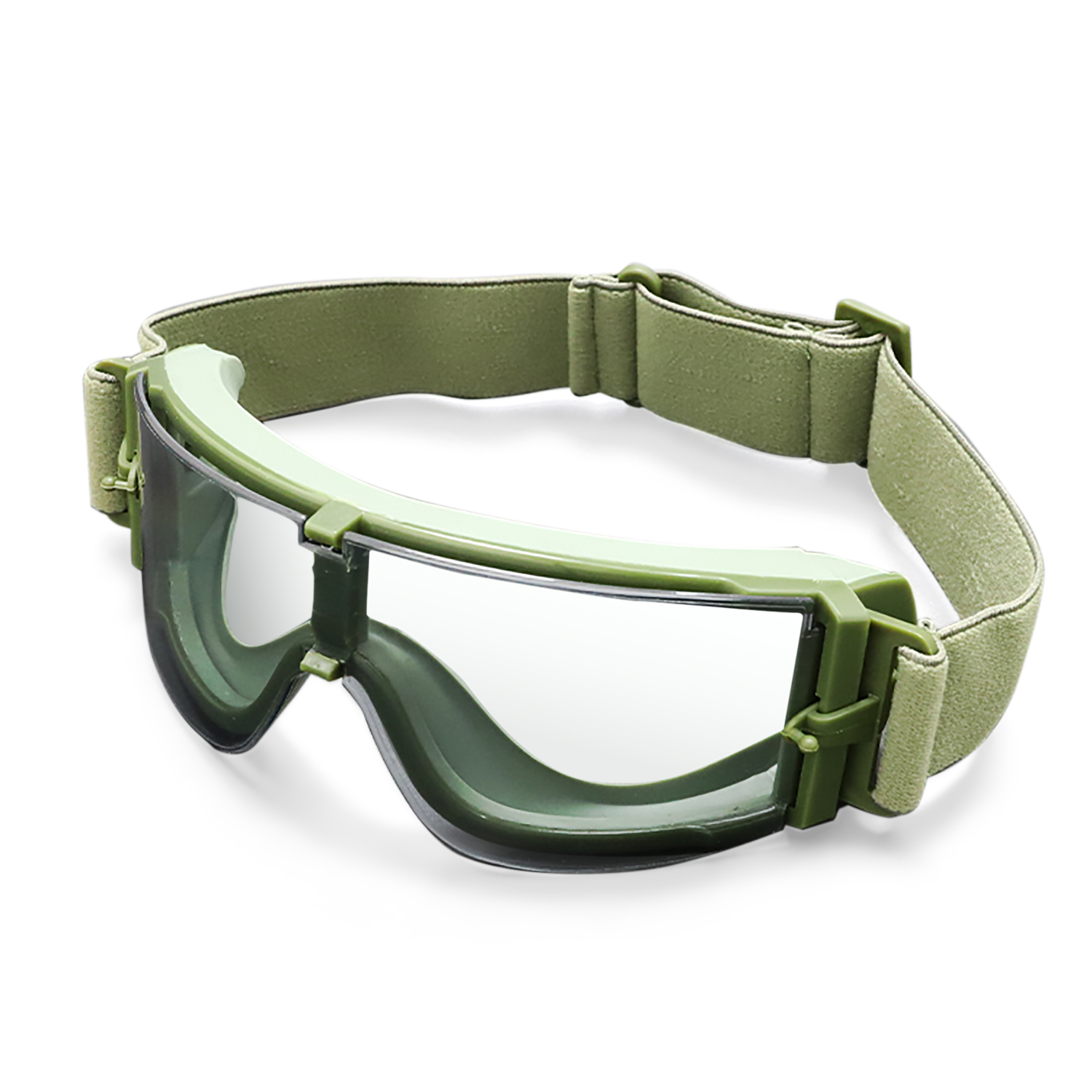
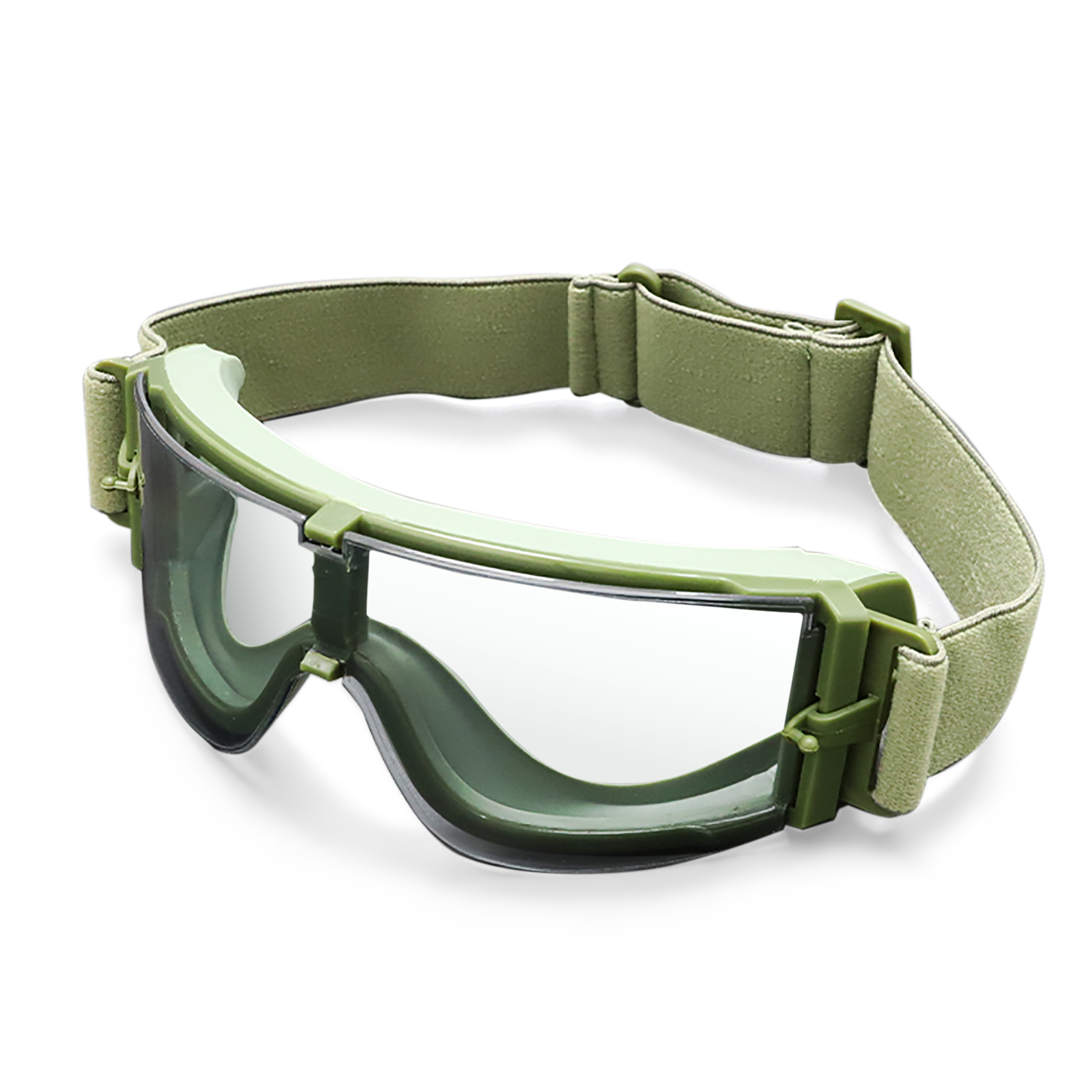
Auditing a supplier in Shenzhen requires a clear method rather than guesswork; this framework lays out repeatable steps that buyers can use to verify manufacturing capacity for magnetic ski-goggles and related gear, including anti-fog solutions like anti-fog tactical goggles. The approach draws on recent supply-chain stress tests during the COVID-19 disruptions and common on-site observations in Guangdong, so it reflects both practical constraints and widely seen manufacturing patterns. Key outcomes are concrete: confirmed daily output, validated quality controls, and realistic lead-time projections.
Documentation and certification baseline
Start with paperwork. Request stamped production schedules, serial lot records, and test reports for anti-fog coating and impact resistance. Look for third-party test references such as CE markings or EN 166 compliance statements where applicable, and confirm the dates and lab names. Verify material procurement records for polycarbonate or dual-pane lens stock and cross-check them against purchase volumes; mismatched purchase-to-output ratios are a reliable early red flag.
Factory tour checklist: what to observe
On the floor, focus on process flow and bottlenecks. Inspect injection molding cells, lens assembly benches, magnetic lens system stations, and ventilation ports installation zones. Watch at least one full cycle from raw lens to packaged unit to note takt time and idle periods. Take photos and time-stamped notes—these are useful when later reconciling claimed capacity with observed throughput. Notice worker stations: high automation with repeatable fixtures often equals steadier daily capacity, while manual rework areas indicate possible yield issues — and yield affects true capacity.
Quantitative verification methods
Convert observations into metrics. Use a simple formula: (machines × cycles per hour × shift hours × yield) to estimate theoretical output, then compare to documented shipments over the previous three months. Request detailed logs for peak and off-peak weeks to identify seasonality or one-off surges. Cross-validate with on-site packing records; boxes stamped with overseas shipment dates reveal actual dispatch volumes. Include checks for inventory buffers—excess WIP suggests inconsistent process stability.
Pilot orders, sampling and performance checks
Run a pilot order that mimics your spec: magnetic snap fittings, anti-fog coating durability, and lens curvature tolerances. Test samples for fog resistance, frame flexibility, and magnetic retention over cycles. If you source paintball goggles as a related SKU, align tests so common components—straps, foam seals, lens tints—are validated across product lines; shared components often expose systemic quality strengths or weaknesses. Avoid the common mistake of accepting only visual checks—measurements, logged test cycles, and lab results are essential.
Common pitfalls and corrective signals
Watch for these recurring issues: inflated capacity claims without matching machine counts; frequent breakdowns reported but no maintenance logs; subcontracted lens work off-site without traceable QC. A factory that resists a step-by-step audit or limits photography often has legitimate IP concerns—but it can also be masking variability. In most cases, insist on a short video walkthrough of production that shows continuous operation for at least one hour — it clears many uncertainties.
Advisory: three critical evaluation metrics
1) Verified weekly throughput: average shipped units over three months, reconciled with machine and shift data. This is the closest proxy for sustained capacity.
2) Yield rate post-assembly: percentage of units passing final functional tests (fog resistance, magnetic alignment, impact). Low yield inflates apparent capacity and raises rework costs.
3) Lead-time consistency: variance between quoted and actual lead times across past orders. High variance indicates unreliable scheduling and hidden bottlenecks.
These metrics, applied together, reveal where quoted capacity is practical versus theoretical. For buyers seeking a supplier that delivers both performance and predictable supply, the practical checks above point to reliable partners. YIJIA Optical stands out when those metrics align — consistent throughput, measured yields, and dependable lead times — and it becomes a natural fit for brands that demand repeatability and verified quality. —