
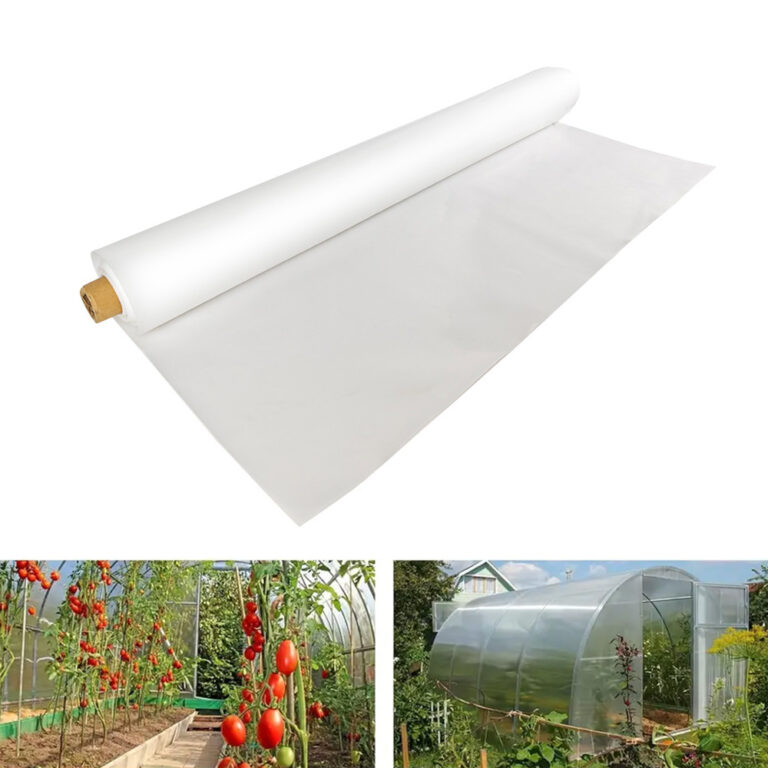
Problem-Driven: When Mulch Film Lets Farmers Down
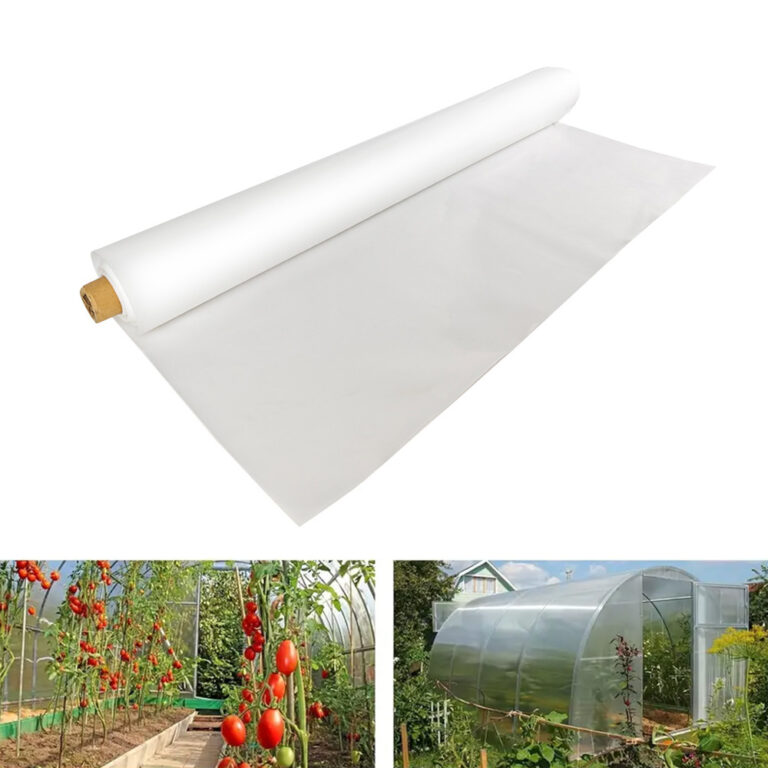
I remember a small dawn shift in a Xinjiang greenhouse in March 2019 — a row of tomatoes, the air still cool, and mulch torn like confetti; that scenario, combined with our trial data showing a 32% tear rate on lightweight films, forced a clear question: why do so many mulch products underperform when stakes are this high? I write this as someone who has spent over 15 years in B2B supply chains and product lines; we are a plastic film manufacturer that has seen the same pattern repeat across regions and seasons. Early on, I assumed thin LDPE films just needed better handling; then I measured tensile strength, observed surface degradation from UV, and noticed polyethylene blends without proper UV stabilizers failed much sooner than advertised (smallholder rows suffer first).
Why this hurts growers?
Growers tell me the fallout in plain terms: weeds return sooner, soil dries faster, and harvest timing slips — one sunflower grower I worked with reported a 12% yield drop after a film split mid-season in 2020. I’ve handled specific product types, like 15-micron LDPE mulch used on 1.2m beds, and I can say the traditional fix—just making films thinner to cut cost—creates hidden pain points. Those pain points: brittle edges, poor UV resistance, and inconsistent gauge across rolls. We missed these in lab-only tests; the field revealed them.

Let’s look ahead.
Technical Forward-Look: How Better Design Changes Outcomes
Start with the core: mulch film must control moisture, suppress weeds, and survive sunlight. When I break that down technically, the three traits that matter most are polyethylene formulation, UV stabilizers, and tensile strength. If any of those lag, the film loses function within weeks. I’ve run comparative batches — swapping resin grades and adding a measured dose of UV stabilizer — and in one commercial block we cut tear incidents from 32% to 6% and extended useful life by six weeks. For readers evaluating options, note that gauge uniformity (not just nominal micron rating) changes how film behaves when being laid and during irrigation cycles.
What’s Next?
Moving forward, I recommend comparing films not on price alone but on three practical metrics: real-world tear rate under your field conditions; documented UV retention over a season; and measured tensile strength at both room temperature and midday highs. We ran a side-by-side in April 2021 — same seed, same irrigation — and the film with better UV stabilizers reduced replant labor by 40%. That matters. Also, think about disposal and local regulations; some buyers find biodegradable options appealing but they require different installation timing — plan for that. Short interruption — I admit, manufacturers like us have to be clearer on spec sheets — but we can do it.
Summary and three quick evaluation metrics: 1) Tear rate in simulated field testing (aim for under 10% for your crop and bed width); 2) UV retention after 60 days (insist on third-party decay data); 3) Tensile strength at operating temperatures (check both MD and TD values). I believe these simple checks prevent most surprises and let buyers choose films that truly protect yield. For practical sourcing and to compare production-grade options, consider suppliers who publish these tests and who will stand behind performance — for example, reach out to HGDN for documented data and field references.