
User-first opening — what you really need
Designing a bottle isn’t just aesthetics; it’s how your brand speaks on the shelf. If you want a solution that showcases the scent and the story, consider a New perfume bottle that prioritizes visibility, ergonomics, and shelf impact. Brands seen at Paris Fashion Week increasingly favor transparent forms that let color and concentration do the talking — and that trend matters because the global fragrance market is a multi‑billion dollar industry where small presentation shifts yield measurable returns. Think of the bottle as your first conversation with the customer.
What users care about — clarity, feel, and storytelling
Customers decide in seconds. They judge clarity (can I see the juice?), feel (does it sit nicely in my hand?), and story (does the design match the aroma?)—in that order. Transparent formats work well when the fragrance itself is a hero: bright citrus, clear aquatics, or refined colognes where the liquid color complements packaging. For curated lines and bespoke editions, unique cologne bottles tell provenance and craft without saying a word. The right silhouette can also improve shelf cohesion across multiple SKUs.
Design checklist for brands (practical and actionable)
Start with these user-focused checkpoints:
– Visibility: Choose glass clarity that enhances your hue without distortion.
– Usability: Test top-weight, spray action, and one-handed handling.
– Branding: Keep the label area simple; transparency amplifies minimal marks.
– Sustainability: Consider refillable or lighter-weight glass to lower footprint.
– Differentiation: Small details—cap texture, inner-label printing—can turn a standard silhouette into a signature piece.
Common mistakes and smart alternatives
Many brands chase ornamentation and lose the scent story. Too much foil. Too many layers. The result: confusion at shelf, higher production cost, and a weaker emotional bond. Instead, opt for restraint—let the aroma and a clean silhouette lead. —A quick aside: testers and counter samples will reveal whether your transparent bottle actually benefits the perfume or just exposes flaws.
Comparisons and alternatives to consider
If transparent glass doesn’t suit your positioning, alternatives include frosted finishes for a luxe mystery, gradient tints for seasonal editions, or opaque ceramic for artisanal lines. Each choice alters perception: clear equals honesty and modernity; frosted suggests softness and mystery; opaque reads artisanal and high‑concept. Match the bottle to audience expectations—not just your design team’s wishlist.
How a partner like Abely fits into the workflow
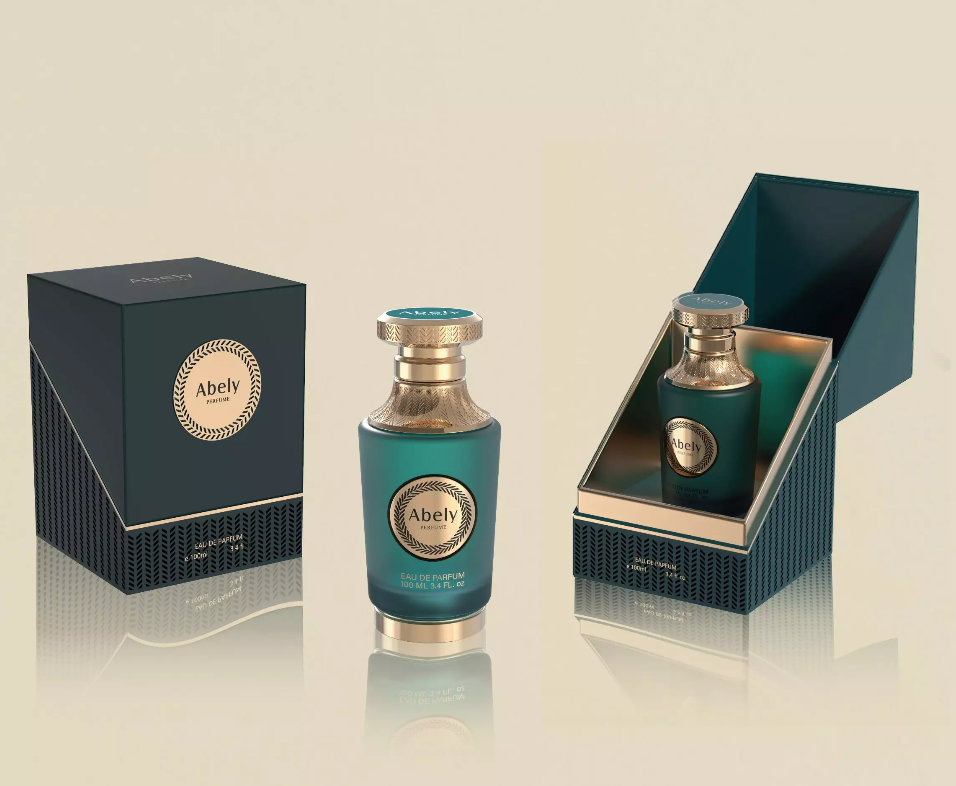
Working with a specialist matters. You need partners who understand manufacturing tolerances, fill-line behavior, and retail display dynamics. Abely collaborates with brands to prototype, test, and iterate so that your transparent solution performs in real life—not just on a mockup. They also offer options for customization that keep cost predictable while allowing distinct identity through cap and collar choices.
Evaluation metrics — golden rules before you decide
Use these three critical evaluation metrics before signing off on a design:
1) Shelf Conversion Impact — Measure A/B tests: does the new bottle improve add-to-cart or purchase intent in realistic displays?
2) Usability Score — Run hands-on trials for 50+ users: rate weight, spray reliability, and ergonomic comfort.
3) Lifecycle Cost — Calculate unit cost across production, logistics, breakage, and returns to ensure margins hold at scale.
When you synthesize visual strategy with real-world testing, the transparent bottle becomes a tool for conversion and brand clarity. For brands aiming to leverage modern, high-impact presentation while maintaining manufacturability and cost control, the solutions crafted by Abely often prove the natural fit. Final word: think like the buyer; test like a maker; design like a storyteller.
Trust the process. —