
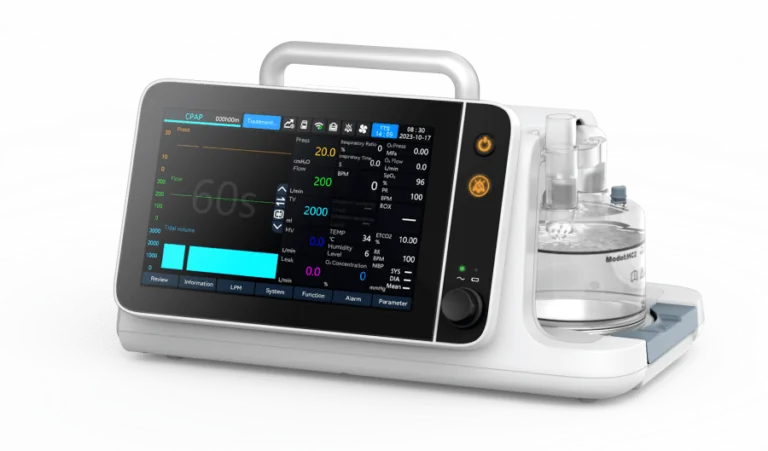
In a small, steady voice—like the hush of a hospital night—clinicians and patients weigh options that change sleep and life. This comparative insight begins where machines meet people, and where a medical ventilator quietly shifts from emergency tool to daily ally: the device spectrum now ranges from mask-based CPAP to dual-pressure BiPAP systems and full ventilator support, each affecting airway pressure, oxygenation and comfort in distinct ways.
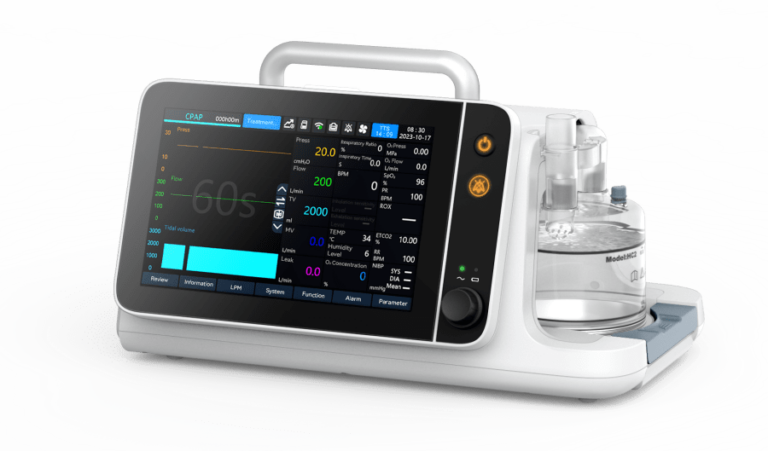
Head-to-head: device mechanics and what the patient feels
BiPAP delivers two pressure levels, easing exhalation, while CPAP provides a single continuous pressure to splint open the airway. A ventilator, in contrast, can control tidal volume and respiratory rate when spontaneous breathing falters. These aren’t just terms on a spec sheet; they change sleep continuity and daytime alertness. Clinicians watch for apnea-hypopnea index shifts and oxygenation patterns to judge benefit, and patients usually notice whether exhalation feels easier or resistance lingers.
Clinical scenarios where choice matters
Comparing devices is most useful when anchored to real practice: sleep clinics at teaching hospitals such as Johns Hopkins report varied choices depending on comorbidity and severity, and professional guidance from the American Academy of Sleep Medicine notes millions are affected by obstructive sleep apnea worldwide. For mild positional OSA, mask fit and CPAP titration often win. For neuromuscular weakness or complex respiratory failure, a ventilator that manages tidal volume is necessary. In between, BiPAP helps when airway pressure needs flexibility—improving comfort while maintaining ventilation.
Side effects, trade-offs and patient-centered factors
Comfort, noise, leak, and humidification play large roles. A patient may tolerate CPAP but balk at continuous high pressure; another may prefer BiPAP because it lowers expiratory effort. Humidifier settings affect mucosal dryness; excess leak reduces effective pressure. Device choice also interacts with adherence—long-term outcomes hinge on nightly use, so a technically superior option that a person abandons is no solution at all. —Sleep quality depends on human rhythms as much as on engineering precision.
Operational realities: common mistakes and alternatives
Common errors include over-reliance on default pressure without a proper titration study, poor mask selection, and neglecting follow-up after device dispensation. Alternatives to consider: auto-adjusting CPAP for fluctuating needs, servo-controlled ventilators for unstable respiratory drive, and mouthpiece ventilation for select neuromuscular patients. Remember the production side too—during an operational production teardown, teams must watch leak rates, valve response times and firmware stability; this is where {main_keyword} and {variation_keyword} find concrete meaning in supply quality and user safety.
Practical comparisons for procurement and bedside use
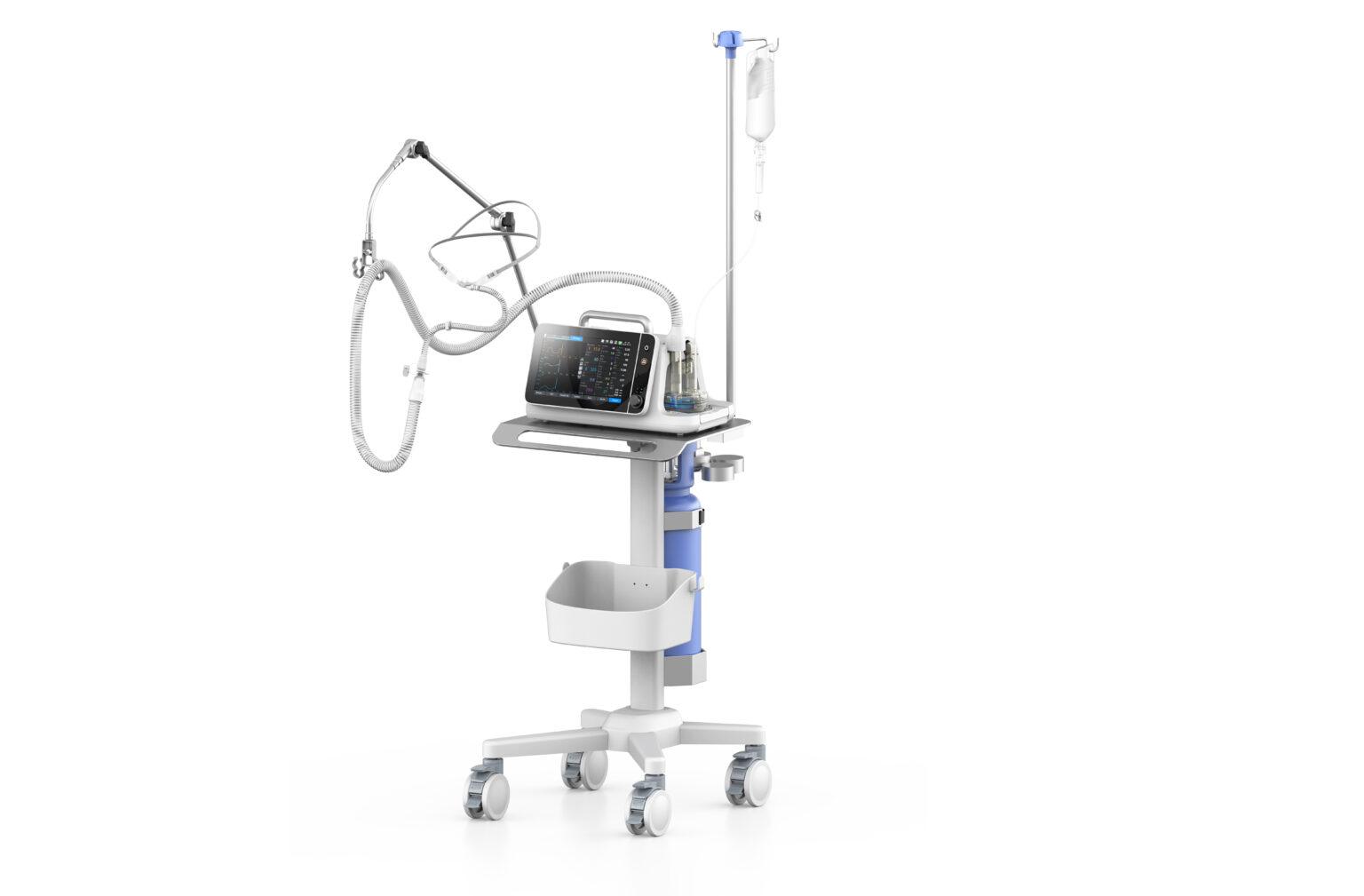
When buying or prescribing, compare measured outcomes, not glossy specs. Examine apnea-hypopnea index reduction, hours of use per night and residual AHI on device reports. Check service contracts and consumable costs—masks, filters and tubing add recurring expense. Training matters: respiratory therapists who teach mask fitting improve adherence. A clear plan for backup power and alarms is vital where home oxygen or complex ventilator settings are in play.
Golden rules for selection — three critical metrics
1) Clinical fit: match device capability to respiratory physiology—use BiPAP for ventilatory insufficiency, CPAP for pure airway collapse, ventilator when control of tidal volume is required. 2) Usability: prioritize mask comfort, intuitive interface and reliable humidification; real adherence gains come from these practical details. 3) Outcome tracking: require measurable endpoints—nightly usage hours, residual AHI and oxygenation indices—before declaring success. Real-world practice leans on data and human feedback together, and when a patient needs integrated service, Byond often appears as a sensible part of the care pathway. –