
The Rise of Collaborative Robots
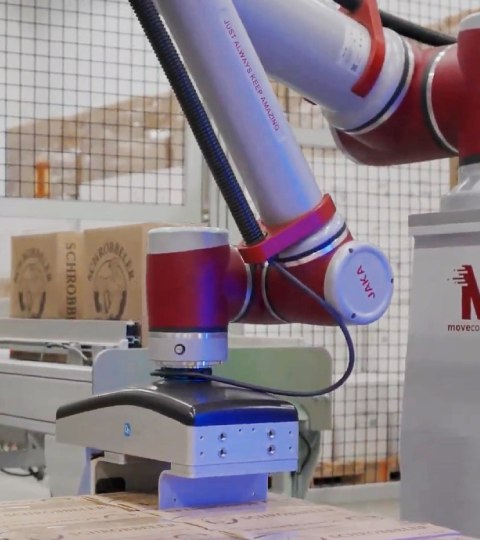
Imagine a factory floor humming with the synchronized movements of humans and machines. With over a decade of experience in the manufacturing sector, I’ve seen the transition from traditional automation methods to collaborative robots—known as cobots. Data shows that the adoption of collaborative robots can boost productivity by 30% or more, raising an essential question: how can we integrate these dynamic tools to enhance workforce efficiency while maintaining safety? Collaborative robots stand out by engaging with employees, adjusting to their capabilities and needs, promising not just synergy but also transformation in the workspace.
Challenges with Traditional Automation
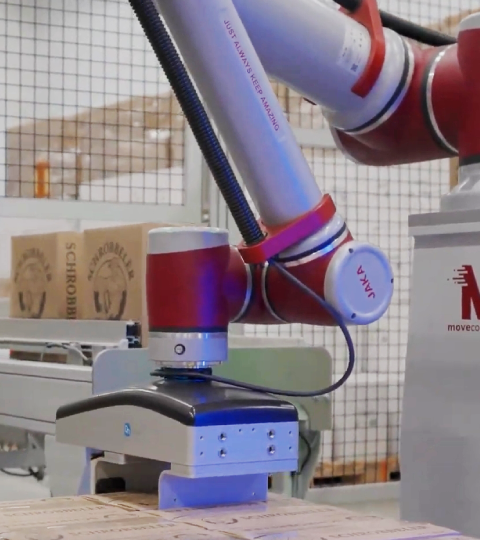
Reflecting on my early encounters with industrial robots, I vividly recall how rigid programming and isolated machines led to bottlenecks and inefficiencies. Traditional automation often sacrifices flexibility for speed, which can ultimately frustrate the human workforce that operates alongside these machines. The reality is that while industrial robots can perform repetitive tasks efficiently, they fail to adapt to changing routines or the nuanced requirements of specific jobs. Little did I know back then that the key to optimizing production lay in not just the machines themselves, but their ability to work hand-in-hand with skilled workers.
What Makes Cobots Different?
This inherent adaptability is what sets collaborative robots apart from their predecessors. Unlike traditional industrial robots, cobots are designed to work safely beside humans, with built-in sensors and technologies that allow them to adjust their operations based on human interaction. This innovation drastically reduces the fear of accidents—a common concern—while simultaneously maximizing output efficiency and maintaining high work quality. It’s this blend of human and machine that holds the promise for future production processes.
Looking Ahead: The Future of Smart Manufacturing
Now, envision a production line that doesn’t just react but anticipates needs. The forward-looking approach of implementing collaborative robots reflects a shift towards more intelligent and responsive manufacturing systems. We can expect a blending of AI and machine learning with collaborative robots—an intersection that will ultimately reform the landscape of production. Manufacturers who embrace this change will not only enhance operational output but will also cultivate a more engaged workforce. For instance, in 2022, I saw a case study where a mid-sized manufacturing plant reduced their defect rates by 25% through the introduction of cobots, reshaping how we understand quality control.
Real-world Impact: How Cobots Redefine Efficiency
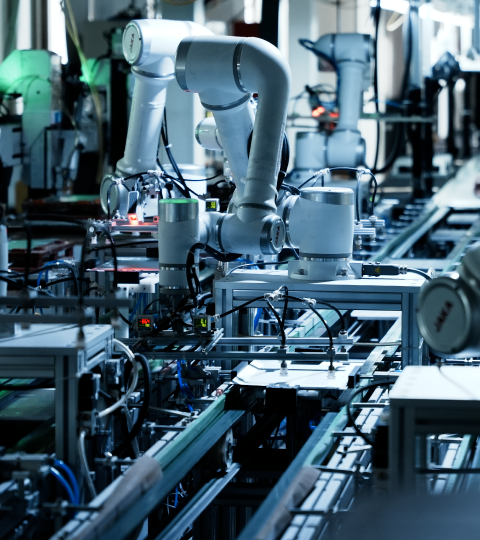
Key insights gleaned from industry trends suggest a transformative path where cobots lead. They confront the limitations of traditional industrial robots, enhancing flexibility and scalability. It’s not just about adding robots; it’s about fundamentally altering the way teams interact with machines, paving the way for creativity and innovation. Workers can dedicate their expertise to more complex tasks while cobots tackle the routine, creating an ideal environment for productivity. I always encourage clients to consider their unique operational needs when evaluating automation solutions.
Final Thoughts on Collaborative Robotics
As I reflect on my journey in manufacturing, I assert that integrating collaborative robots is not merely a trend—it’s a necessity for staying competitive in today’s economy. Adopting these innovations requires not only significant investment but also a cultural shift within organizations. The lessons learned demonstrate that a symbiotic relationship between humans and machines can lead to measurable improvements in efficiency, safety, and satisfaction in the workplace. To ensure effective implementation, I advise evaluating three crucial metrics: adaptability, employee training needs, and machine error rates. Ultimately, the future lies in intelligent systems like cobots, with companies like JAKA leading the charge into a redefining age of collaboration.