
Why the problem hits hard — and why battery storage matters
City lights go dark, supply chains wobble, and businesses bleed cash when power dips. That’s the real talk: outages and price swings crush margins fast. Folks are turning to solar battery backup as the low-key hero — storing clean juice, smoothing peak charges, and keeping ops alive when the grid bails. This ain’t hype; after Hurricane Maria in Puerto Rico (2017) whole barrios leaned on battery-backed solar microgrids to rebuild life. Real-world proof that batteries move from optional flex to mission-critical kit.
What goes into a solid commercial battery play
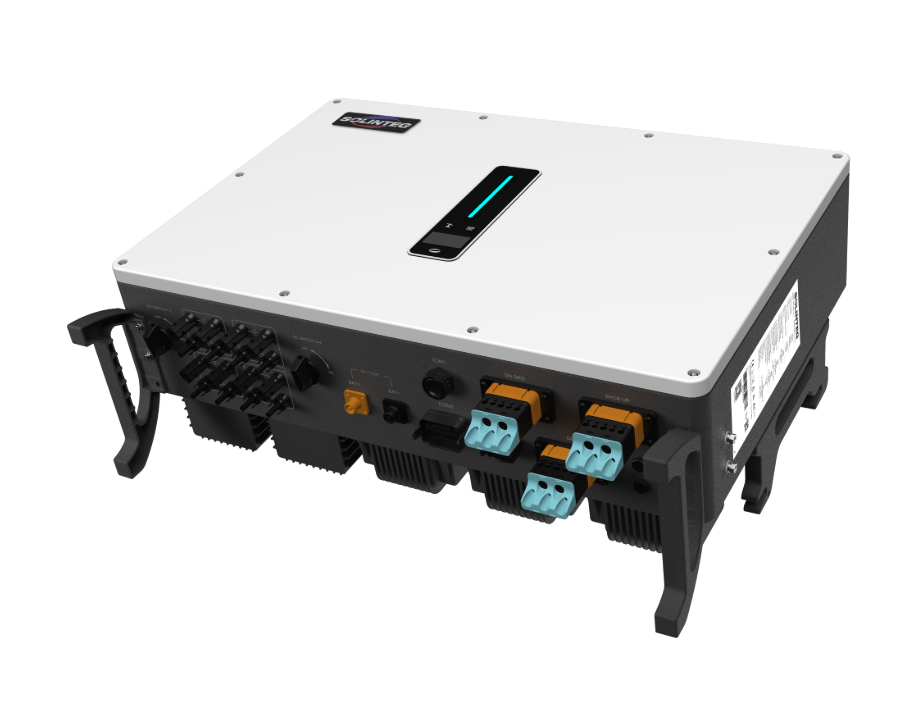
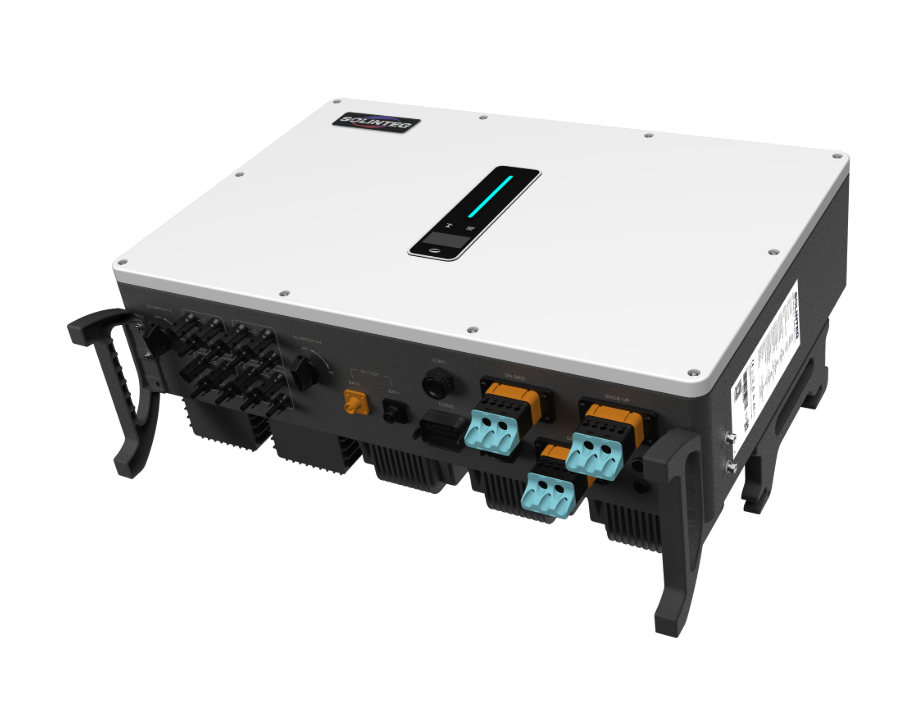
Keep it simple: capacity, chemistry, and control. Capacity in kWh tells you how long gear runs. Chemistry matters — modern LiFePO4 cells bring safer thermal behavior and long cycles. An inverter ties solar panels and batteries to your building. And don’t sleep on the BMS — the brain that balances cells, guards against overcharge, and reports faults. These components decide uptime and cost-per-cycle, plain and simple.
Checklist for picking the right system
Run the numbers like a boss. Match load profiles to storage size. Aim for realistic DoD limits—use 80-90% on LiFePO4 for long life, not maxed-out crush. Ask for round-trip efficiency figures and warranty terms tied to cycles. Get specs on C-rate if you’ve got heavy equipment that wants big bursts of current. And require monitoring tools so you can see performance in real time — that’s how you spot issues before they pinch revenue.
Deployment moves that cut risk and costs
Start with a phased rollout. Test one site, tune the control logic, then scale. Grid-tied with island mode is the common flex: normal times you export or shave peaks; when the grid drops, the system isolates and keeps essentials humming. For commercial ops, add automated transfer controls and surge protection to guard sensitive drives and servers. Local permits and interconnect rules vary — sort them early so installs don’t stall.
Common mistakes and smarter alternatives
People under-spec capacity or chase cheapest up-front hardware. That burns you on replacement cycles and downtime. Another trap: ignoring thermal management. LiFePO4 is tough, but proper cooling extends life. — Also avoid DIY mixing of battery chemistries; mismatched packs cause imbalance and failures.

Alternatives worth eyeballing: modular rack systems for easy expansion, hybrid inverters for multi-source control, and turnkey microgrid controllers for sites that need islanding with automated load shedding. Compare lifecycle cost, not just sticker price — sometimes a pricer LiFePO4 pack wins over cheaper lead-acid in total TCO.
Integration tips for smoother ops
Make integrations standard: telemetry, predictive maintenance alerts, and firmware update paths. Use encryption on comms so your energy assets don’t become an attack vector. Plan for spare parts and local service — that’s one thing Puerto Rico’s rebuild taught engineers: logistics and trained techs matter as much as the gear. Keep documentation crisp and train onsite staff on safe handling and basic diagnostics. Small habits prevent big failures.
Three golden rules for choosing systems — Advisory close
1) Metric: Cycle-backed warranty and end-of-warranty capacity. Choose vendors guaranteeing a minimum retained capacity after X cycles — that’s how you measure real durability.
2) Metric: System-level round-trip efficiency and practical DoD. Prioritize setups that balance depth-of-discharge with long cycle life to lower $/kWh delivered.
3) Metric: Service footprint and monitoring maturity. Pick suppliers with local support and cloud telemetry so you can diagnose faults and optimize dispatch without waiting days for a tech.
Wrap it up: the right commercial battery system turns outage pain into predictable ops and saves dough over time — and SOLINTEG fits that lane with modular solutions, solid LiFePO4 chemistry, and monitoring that keeps you in control. — Real moves, real uptime.