
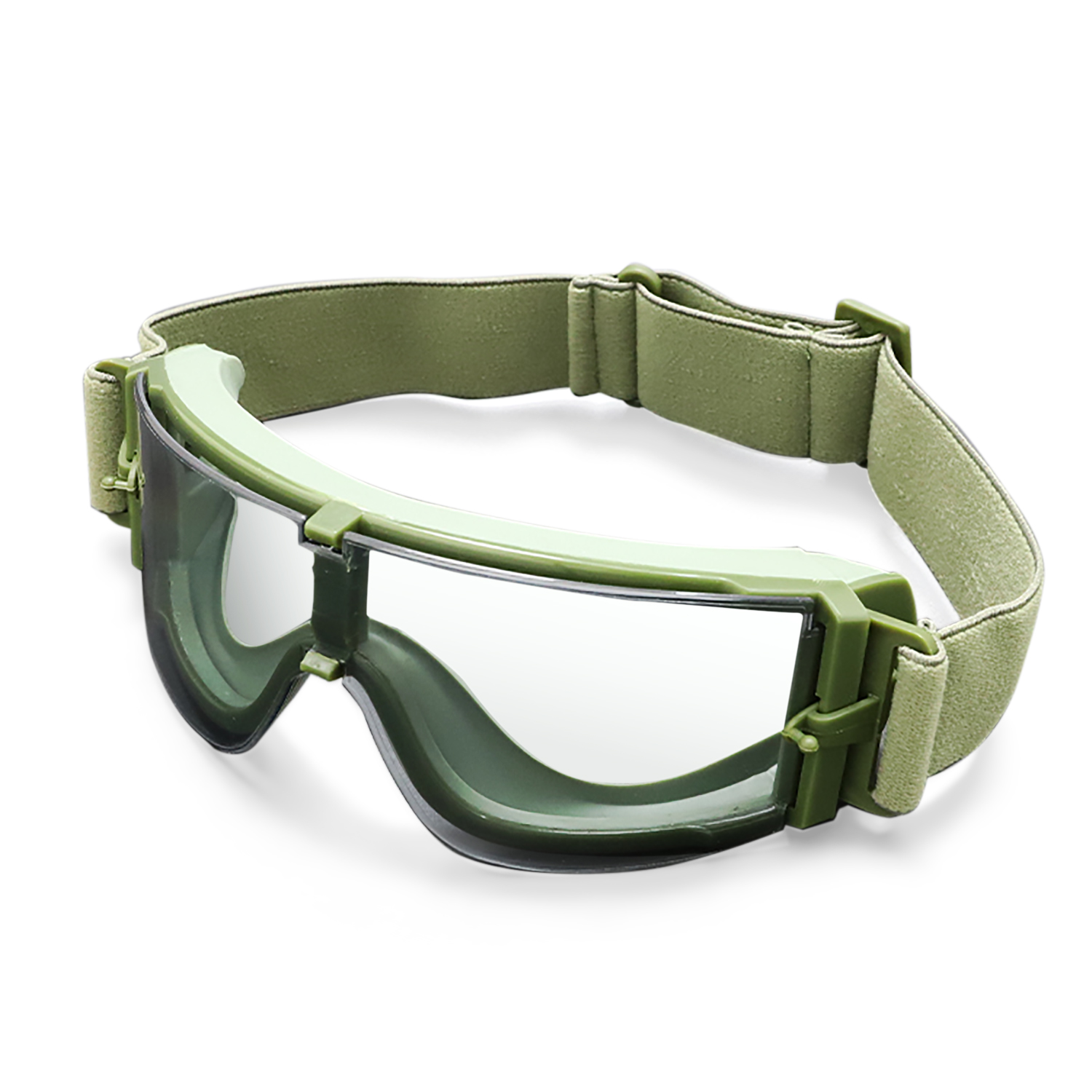
Build the Framework — Start with Purpose
We’re laying out a clear, repeatable system to keep optical performance sharp across millions of units. This is a Framework piece — grab the goal, set the checkpoints, and move. From procurement briefs to end-user fitment, every step ties back to performance in the field, and the first stop is gear selection: choose proven tactical goggles with verified ballistic rating and consistent lens quality.
Core Pillars of Optical Consistency
Think structure: design control, material spec, manufacturing tolerance, and post-production verification. Lock the specs early — lens substrate (polycarbonate or Trivex), impact resistance levels, and anti-fog coating formulas. Anchor those specs to recognized standards like ANSI Z87.1 and MIL-PRF-31013 so suppliers know the bar. These pillars reduce variability at scale and give auditors a single checklist to enforce.
Design for Manufacturability
Design teams train like athletes — they build repeatable motion into the product. That means tolerances that factories can hit consistently and mold tools that produce identical lens curvature and frame spacing. Use jigs for lens seating and automated inspection for surface quality. Keep tolerances wide enough for high throughput but tight enough for optical clarity and consistent diopter alignment when prescription inserts are used. A robust retention system completes the package.
Inline Quality Controls That Matter
Quality tests need to be practical and fast: visual distortion measurement, impact resistance sampling, and anti-fog lab runs. Implement lot-based sampling with pass/fail gates. Track failure modes and feed them back to the design and tooling teams — quick loops beat long reports. Real-world anchor: the U.S. military’s adoption of standardized ocular protection practices shows that consistent testing and compliance dramatically cut service-member eye injuries in training and operations. That’s the evidence we build on.
Prescription Integration and Supply Chain Steps
Prescription inserts and custom lenses are where optical consistency usually breaks. Create a controlled workflow: verified lens blanks, CNC surfacing with certified profiles, and final optical bench checks for diopter accuracy and centration. Use standardized prescription carriers and indexing features so lab-to-field fit is repeatable. For mixed fleets, maintain a database of accepted lens curves and frame interfaces to speed compatibility checks — this shrinks lead times and reduces returned units.
Common Mistakes and Operational Fixes
Teams often over-spec or under-test — both kill consistency. Over-specifying drives cost and bottlenecks; under-testing lets defects slip into batches. Calibrate inspections to risk: critical optical tolerances get 100% checks, cosmetic issues are sampled. Keep raw material suppliers close with documented acceptance criteria. Don’t let packaging be an afterthought — improper packing causes scratches and micro-abrasions during transit, which ruins optical performance at deployment.
Implementation Playbook — Roles and Tools
Assign clear ownership: design owns specs, manufacturing owns tolerance adherence, QA owns testing records, and logistics owns damage prevention. Equip each owner with practical tools: optical bench, haze meter, surface profilometer, and a digital lot-tracking system. Train line supervisors on basic optics concepts so they can spot deviations early — early detection saves units. Track KPIs like first-pass yield, field return rate, and on-spec pass rate to keep the engine humming.
Closing: Three Golden Rules for Deployment
Rule 1 — Standardize inputs: lock lens materials, coatings, and frame interfaces before mass runs. Rule 2 — Test to the right standard: use ANSI Z87.1 and military-level impact tests as your baseline and verify every lot. Rule 3 — Own the loop: short feedback cycles between field reports and production fixes cut defect recurrence dramatically. These are concrete metrics you can measure and improve.
Final thought — consistent optical performance at scale isn’t luck, it’s discipline. Trust the playbook, rely on documented standards, and align every node of the supply chain to that single mission — keep vision clear for the people who need it most. — YIJIA Optical