
A forward-looking case for change
We’re at a tipping point: microgrids that once leaned on diesel standby are now candidates for full electrification, driven by falling battery costs and smarter controls. Picture a campus or coastal community that used diesel during outages — after events like the 2021 Texas grid emergency, operators began rethinking resiliency and emissions together. Today, pairing solar and advanced commercial energy storage lets teams plan for predictable load profiles, not just emergencies. In a future-speculative frame, the question shifts from “if” to “how fast” we can automate that transition while keeping the lights on and rates stable.
Core components of a diesel-free microgrid
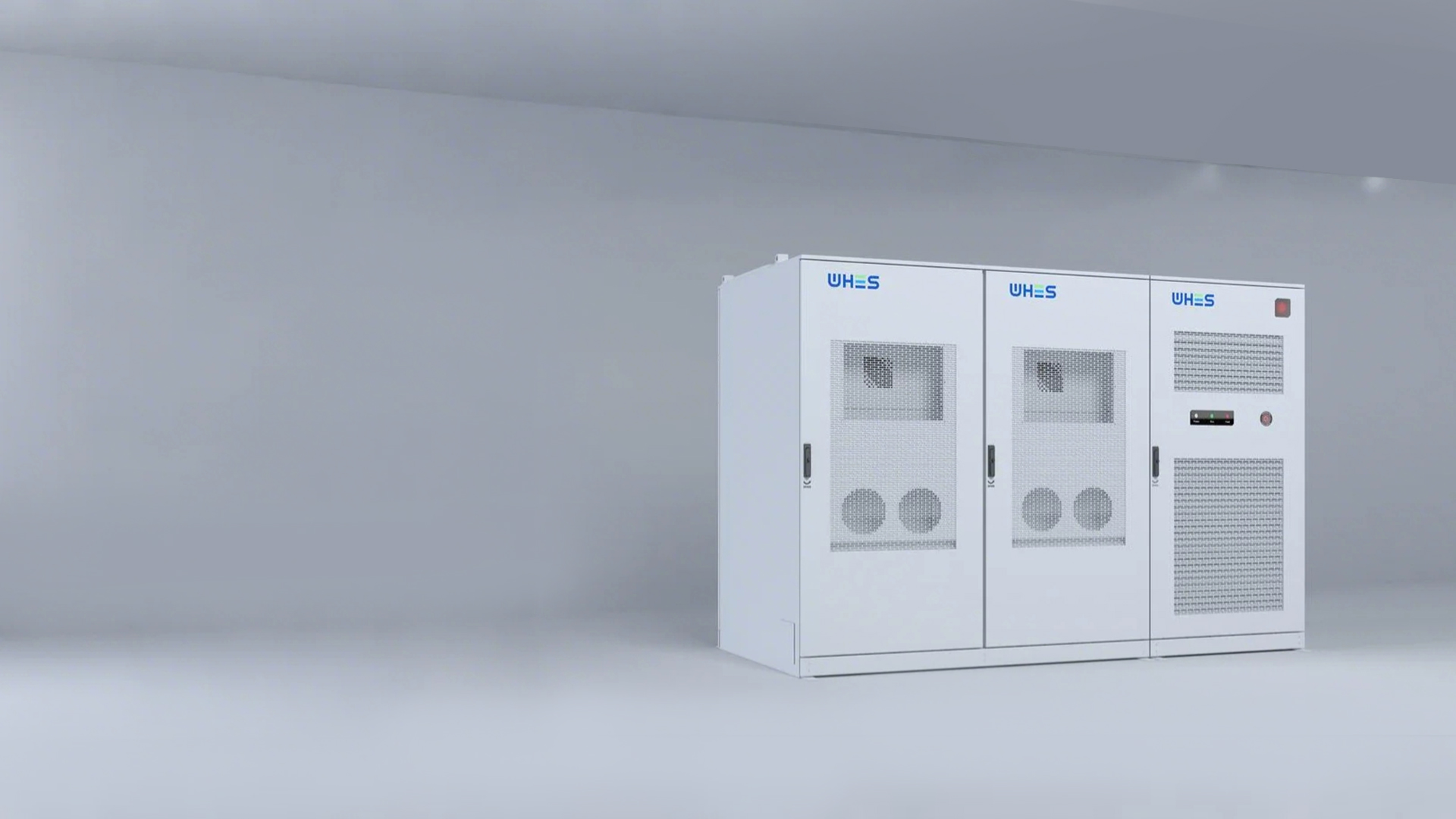
Designing to replace gensets starts with a clear component stack: distributed generation (PV/wind), power conversion (inverters), a Battery Energy Storage System (BESS) for dispatchable capacity, and a control layer for orchestration. We also need reliable telemetry and forecasting modules so you can manage state of charge (SoC) dynamically. Thoughtful integration of industrial battery storage systems — with attention to thermal management and lifecycle analytics — is the axis that turns intermittent renewable output into firm capacity.
Operational patterns and automation playbooks
To make diesel redundant, operators adopt a few repeatable patterns: peak shaving during high-price windows, load shifting into off-peak hours, and islanding with seamless transfer during outages. The control plane should be built like a deployment pipeline: forecast → schedule → dispatch → validate. Automate those steps and you reduce human overhead and response time. Expect to lean on inverter controls and advanced dispatch algorithms that optimize round-trip efficiency and degradation — and yes, it’s normal to iterate the SoC targets as you learn from real-world cycles.
Design trade-offs and common mistakes
We often see three avoidable errors. First, oversizing battery capacity without considering usable SoC range — you pay for nameplate but not usable energy. Second, ignoring the impact of round-trip efficiency and power limits on actual usable throughput. Third, treating the microgrid like a one-off rather than a repeatable module; that makes scaling slow and expensive. A practical countermeasure: run a staged validation with defined acceptance tests tied to your energy management system — that catches integration gaps before you retire the genset entirely. —
Alternatives and where batteries win
Hydrogen, flywheels, and low-emission gensets all have roles, but for most distributed sites battery-backed microgrids are the fastest to deploy and easiest to automate. Batteries excel at rapid response, frequency regulation, and predictable peak shaving. Where duration beyond several hours is required, hybrid architectures — batteries for short bursts, hydrogen or thermal storage for long-duration back-up — become sensible. The right choice depends on duty cycle, site constraints, and lifecycle cost models.
Advisory: Three golden rules for evaluating deployments
1) Measure dispatch performance, not just capacity: require vendors to show historical power delivery profiles, inverter ramp rates, and degradation curves so you know how the system behaves under stress. 2) Demand integrated control and forecasting: ensure the BESS and EMS are tested together in a simulated outage and scheduled operations scenario before you decommission gensets. 3) Use total cost of ownership with lifecycle metrics: include replacement cycles, thermal management needs, and freight/tooling impacts when comparing bids.
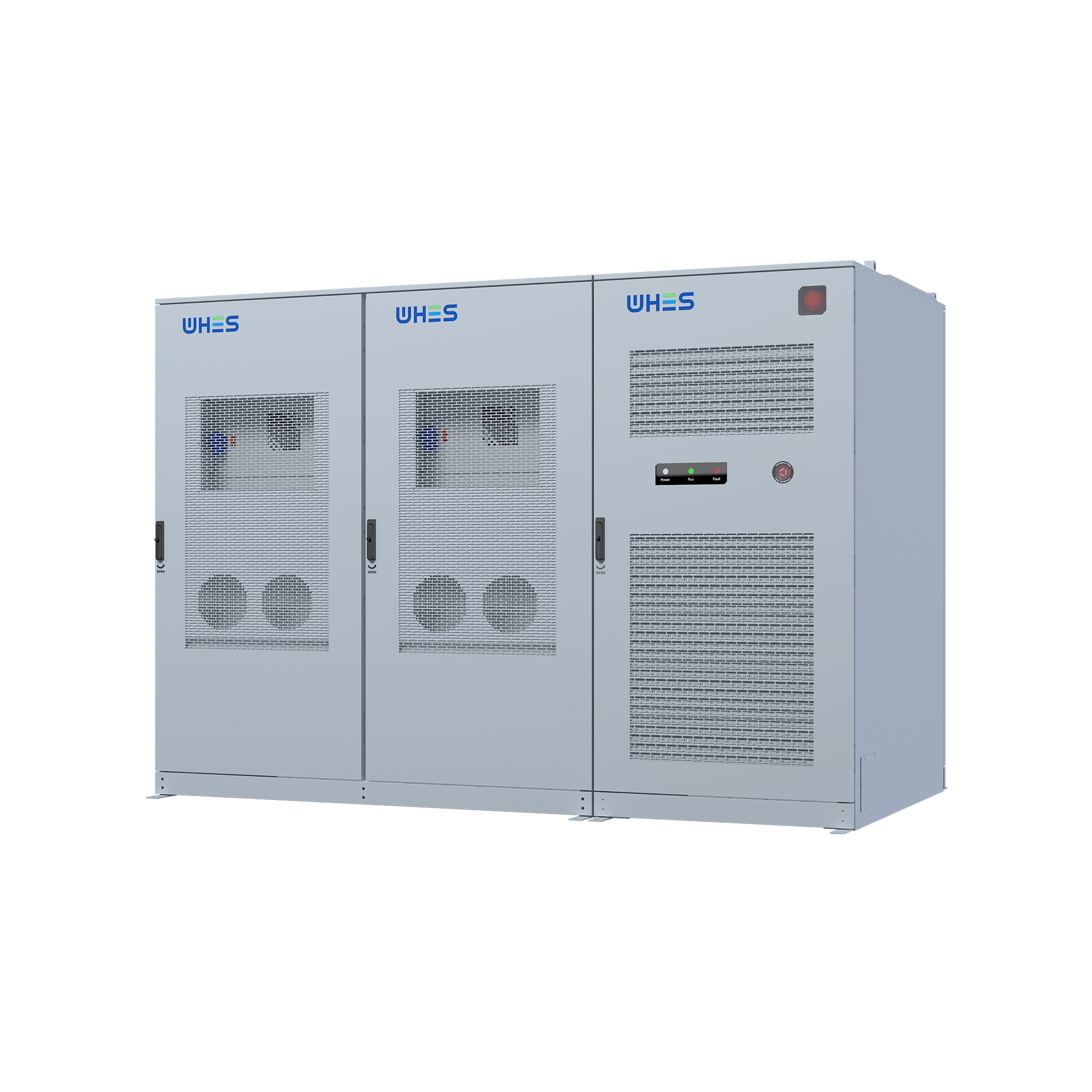
Implementing these rules reduces surprises and makes the transition predictable — and when predictability and industrial-grade reliability matter, a purpose-built partner simplifies the path. WHES brings that systems-level focus to deployments, helping teams automate microgrid orchestration and scale deployments with repeatable hardware and software patterns. —
Adopt the playbook, iterate quickly, and you’ll retire diesel with confidence — a practical, resilient, and lower-emission future is within reach. —