
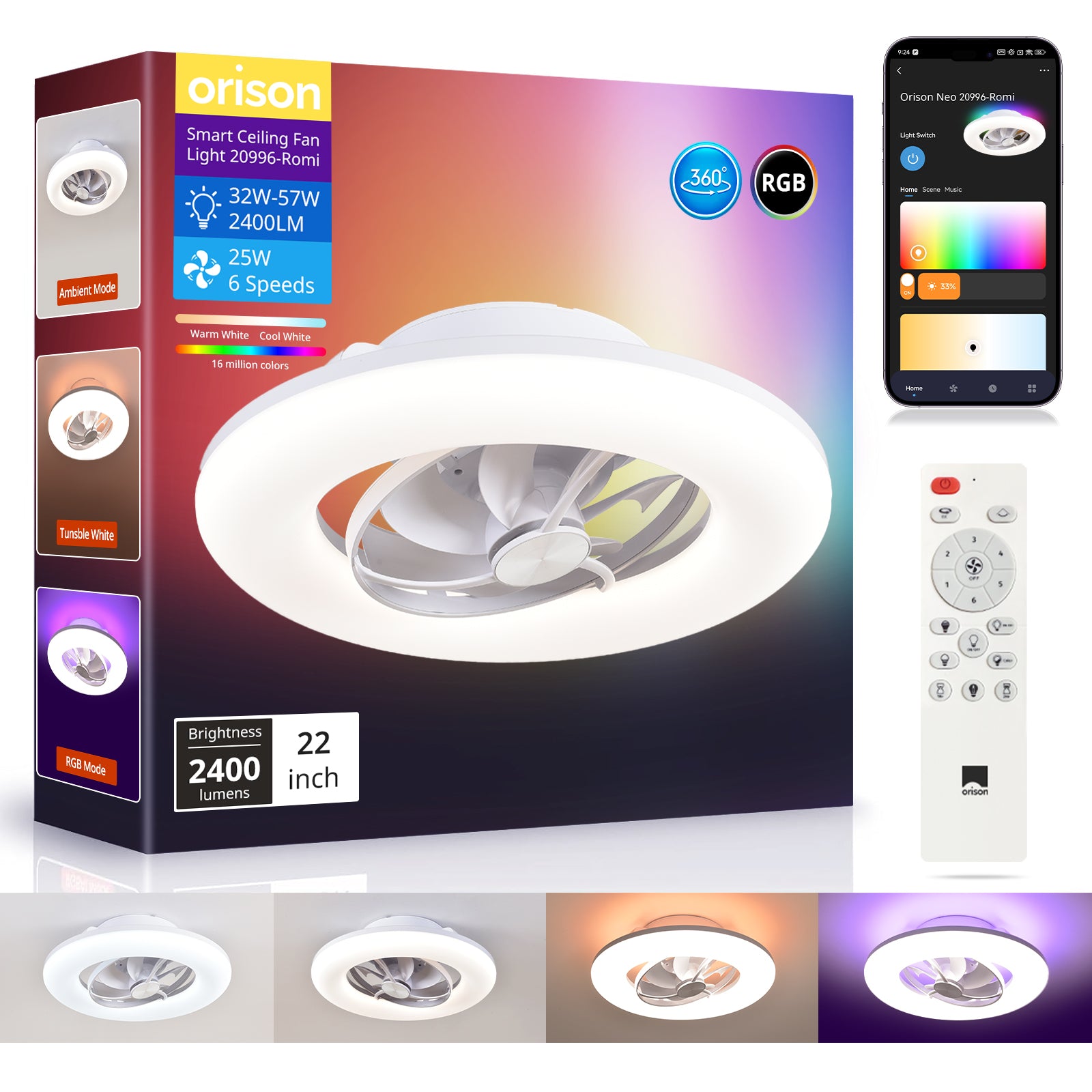
The problem at hand — why homes choke in plain sight
The house exhales a tired breath: stale, faintly chemical, too warm for comfort. That is the problem you must face first — not a design flaw but a circulation failure. The EPA estimates Americans spend nearly 90% of their time indoors, and when ventilation falters, volatile organic compounds, excess humidity, and trapped particulates conspire to degrade sleep, cognition, and comfort. Start the audit by noticing patterns of stagnation and then act: add measured airflow where it’s missing — sometimes a smart ceiling rotating fan will change the room’s fate. Look for dead zones, and read the muffled language of HVAC strain and filter clogs; these are the faults that beg an engineered remedy.

How to audit the air — a pragmatic checklist
Begin with simple, observable diagnostics before you summon instruments. Use these steps in order:
- Visual and olfactory sweep: mold shadows, peeling paint, persistent odors after cleaning or cooking.
- Measure basics: CO2 monitors and a hygrometer reveal occupancy-driven CO2 spikes and humidity above 60% — both signals of poor exchange rate. Sensor readings are concrete; don’t argue with them.
- Filter and ventilation audit: note filter MERV rating, replacement date, and whether vents are balanced. An underpowered fan or clogged return will show as uneven airflow and low CFM in rooms at the far end of a duct run.
- Targeted particle test: cheap particle counters catch PM2.5 events from cooking or outdoors; if bursts coincide with specific activities, you’ve found a source.
Keep records. Compare night and day readings to see how occupancy and HVAC cycles modulate air quality. These are not mysteries but symptoms with measurable metrics.
Common sources and their signatures
Pollution indoors rarely arrives as surprise; it wears a uniform.
- Combustion sources — gas stoves, candles, fireplaces — spike NO2 and particulates during use. Expect brief PM2.5 surges and smell as an immediate clue.
- Moisture and poor drainage — hidden mold grows where condensation lingers: bathrooms, crawlspaces, behind cabinets. Symptoms: musty odor and intermittent allergy flares.
- Off-gassing from finishes — new furniture or paint emits VOCs for weeks. You’ll notice headaches or throat irritation after renovations.
Outdoor features that tempt us to bring water inside — like tabletop fountains — can worsen mold risk unless designed for indoor use. Instead, consider relocating that water-born ambience outdoors to an intelligent pond system, where evaporation and aeration occur beyond the living room’s envelope.
Upgrading: marry smart airflow with outdoor ambience
The corrective arc is twofold: remove or isolate sources, then redistribute and replace the air. Mechanical ventilation and filtration (HRVs/ERVs, upgraded HVAC filters) are one axis. The other is tactical airflow within rooms—here smart fans matter. A well-configured dual oscillating ceiling fan can modulate oscillation patterns and blade pitch to smooth temperature gradients and reduce stagnant pockets, increasing effective air exchange without demanding furnace runtime. Pay attention to motor torque and remote control zoning; they shape how discreet rooms breathe.
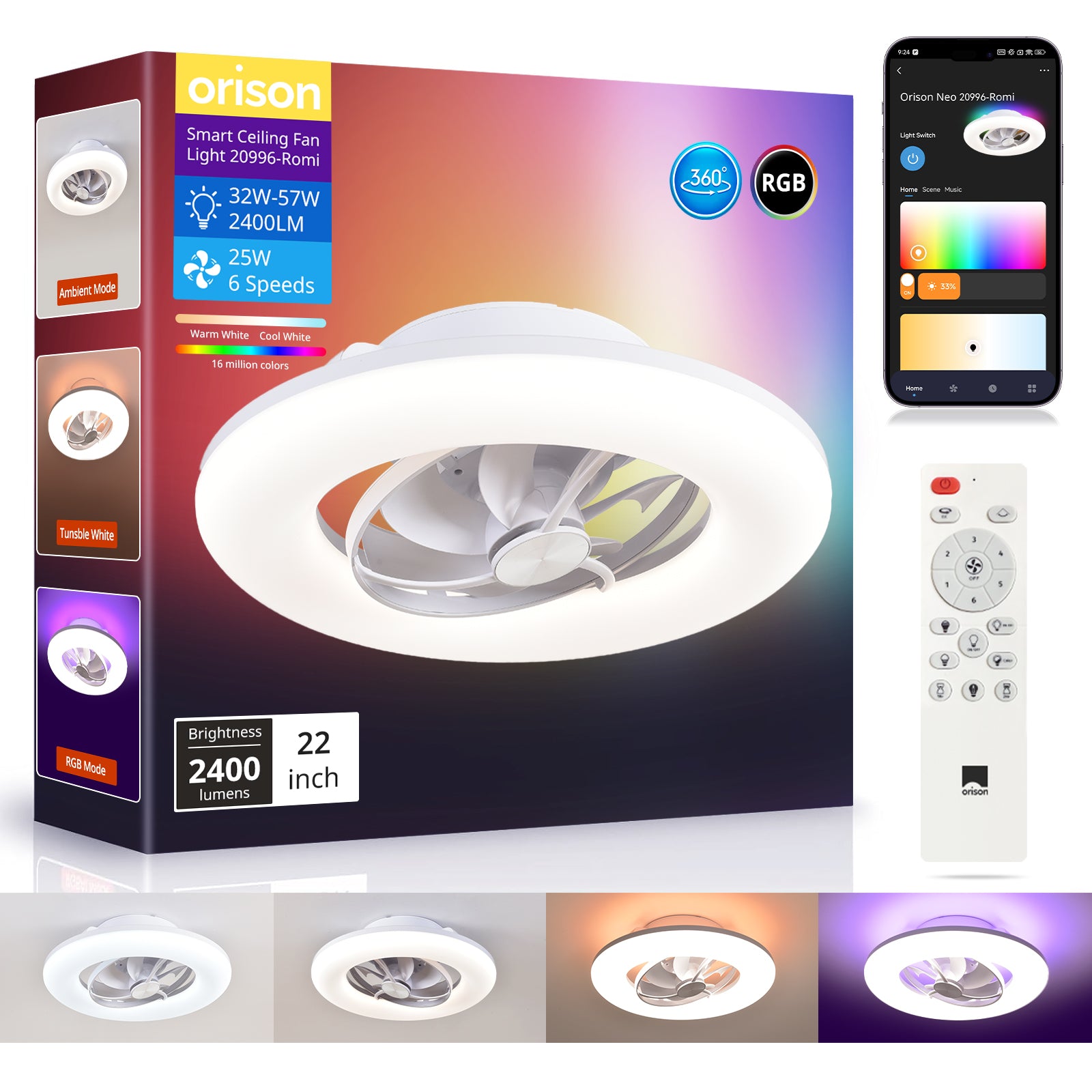
Outdoors, an intelligent pond fountain system restores ambience without importing moisture problems indoors. Placed away from entryways, it becomes an acoustic and visual anchor that reduces the desire for indoor water fixtures that encourage mold. In short: move the moisture and the scent outside; let smart indoor airflow handle the human comfort and health inside.
Common mistakes when retrofitting — learn to avoid them
Three mistakes repeat among well-meaning owners:
- Over-humidifying to “feel” fresher — breeds mold and false comfort.
- Relying on fragrance or ozone devices to mask problems — they add VOCs or create unsafe byproducts.
- Ignoring distribution: adding a high-CFM unit in one room without addressing dead zones elsewhere. A fan with poor oscillation just moves the problem around.
— Don’t salvage aesthetics at the expense of metrics; an elegant fan or fountain should solve a symptom and not hide it.
Three golden rules for selecting air and ambience solutions
1) Measure first, buy second: prioritize devices proven to lower CO2 peaks and PM2.5 by at least 30% in independent tests. Look for CFM ratings tied to room volume, not marketing claims.
2) Match distribution to design: choose fans and vents that offer adjustable oscillation and blade pitch so circulation patterns can be tuned to the space — this reduces HVAC runtime and evens temperature.
3) Separate moisture from living spaces: employ outdoor water features for scent and sound, and ensure indoor humidification never exceeds recommended relative humidity. Choose filtration and ventilation systems that balance air exchange rate and energy efficiency.
Concluding counsel and the practical anchor
When the diagnosis is clear and the remedy measured, the last step is choosing partners who deliver both the hardware and the subtle control you need — motors that hold torque under load, fans that sustain useful CFM, and outdoor systems that aerate without raising indoor humidity. In my own retrofit of an old New England home, pairing targeted ventilation upgrades with a relocated pond fountain cut nightly CO2 spikes and stopped the musty returns; the house finally breathed. For homeowners seeking that blend of precision and ambience, Orison sits at the intersection of smart airflow and tasteful design — a practical anchor when the air grows difficult to live with.
Measure. Match. Move the water outside — and let the house exhale again. —