
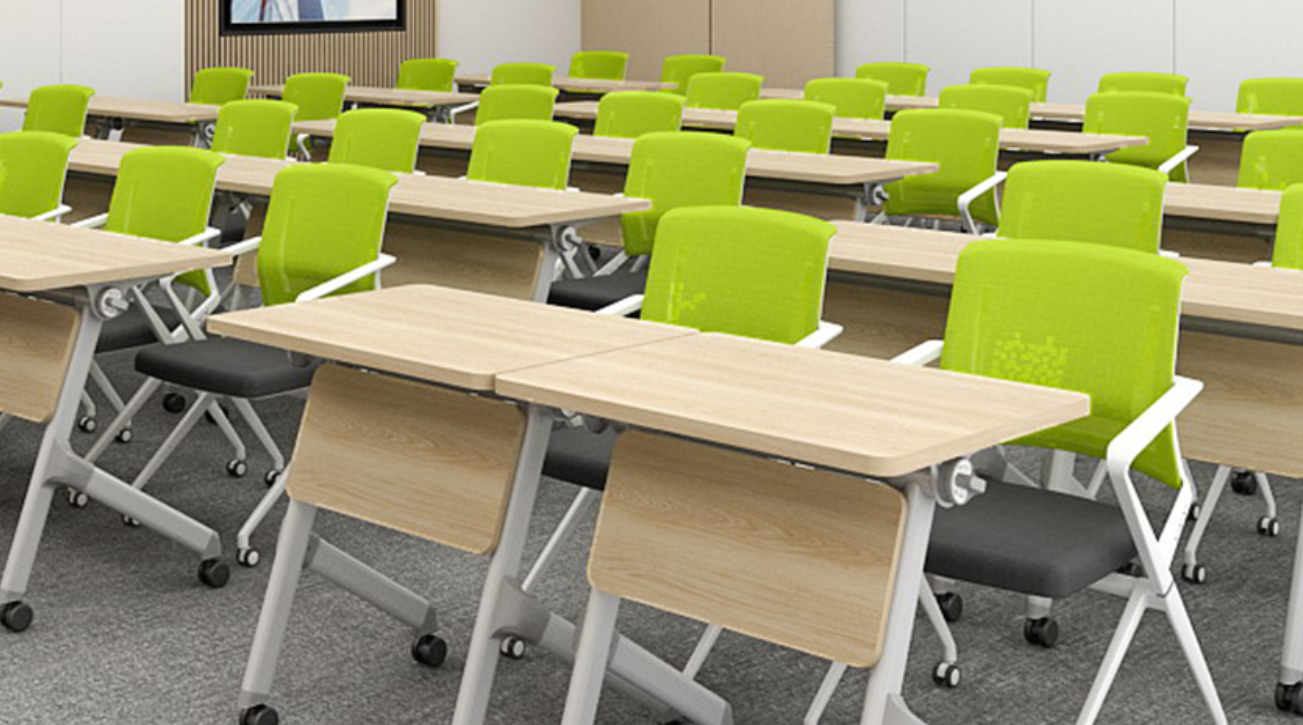
Comparative snapshot: benches versus fixed chairs
Comparative Insight starts with precise criteria: sightlines, durability, and visual cohesion. Benches can streamline an interior palette where fixed chairs create rhythm through repetition; both approaches influence perceived quality. For immediate reference, consider how auditorium seating choices set tone for a room — see practical examples at auditorium seating. The choice alters row pitch, aisle spacing, and the overall aesthetic envelope, so treat selection as a systems decision rather than a single purchase.
Design trade-offs and operational impacts
When measured across cost, maintenance, and user comfort, the trade-offs become concrete. Fixed seating with individual upholstery yields better defined ergonomics and seat pan shaping; benches reduce installation time and simplify cleaning. From a risk perspective, benches lower the number of bolted joints and thus reduce failure modes in high-traffic venues, while individual seats allow modular replacement. Use venue seating configurations to test the interplay of sightlines and riser height before committing to a full scheme.
Materials, finish, and lifecycle comparisons
Materials define performance as much as appearance. Solid wood or molded polymer benches age differently than upholstered fixed seating. Consider abrasion ratings, UV stability, and flame-resistance parameters in specifications. For maintenance planning, note the service intervals: upholstery inspections at determined cycles, hardware torque checks for bolted seats, and surface resealing for wood benches. These are technical constraints — not abstract preferences.
Ergonomics, sightlines, and safety constraints
Ergonomics must align with local building codes and user expectations. Benches often require careful pitch and backrest consideration to avoid uncomfortable seat pans. Fixed seating simplifies compliance for aisle spacing and egress calculations, because each seat is a controlled object. Sightlines are sensitive to riser heights and row pitch; small shifts in riser height shift the viewer plane across a venue. The 2012 London Olympics highlighted this: temporary venue designers prioritized consistent sightlines and modular seating to meet tight schedules and crowd-safety requirements — a useful real-world anchor for high-stakes planning.
Operational checklist and common mistakes
Practical projects fail when teams skip verification steps. Common mistakes include underestimating aisle spacing, ignoring upholstery cleanability, and not modeling sightlines. Implement a short production teardown: catalog materials, test a mockup, and verify tolerances. When documenting, label primary variables as {main_keyword} and {variation_keyword} so the team tracks aesthetic versus functional changes through iterative builds. Also run simple load tests on benches and fixed seating to validate seat pan deflection limits.
Comparative metrics for procurement
Useful procurement metrics make decisions defensible. Compare units on these axes: expected mean-time-to-failure, ease of replacement, and total installed cost per seat. Include maintenance cost-per-year in lifecycle models. A bench that appears cheaper upfront can increase long-term labor for cleaning and repairs — small cost differences compound in high-occupancy venues. This is an operational fact to document in tender specs, not marketing rhetoric.
Implementation patterns and vendor fit
Vendors differ in engineering tolerance and after-sales support. Favor suppliers who publish material specifications, testing protocols, and spare-parts lists. For venues where acoustics matter, verify how bench modules couple to flooring to avoid sympathetic vibrations. — Simple mitigation like isolating mounts reduces audible resonance and extends finish life. Cross-check warranty periods against expected event profiles.
Golden rules for final selection
1. Prioritize sightline compliance and occupant safety metrics before aesthetic finishes. 2. Specify materials with clear maintenance intervals and spare-part availability to limit downtime. 3. Model total cost of ownership using mean-time-to-failure and annual service hours as core inputs.
Choosing between benches and fixed seats comes down to measurable trade-offs: benches can streamline aesthetics and lower initial complexity, while fixed seating delivers predictable ergonomics and easier code compliance. The right outcome aligns design intent with operational constraints, and it often points toward vendors who provide tested components and clear documentation. leadcom seating fits naturally into that conclusion as a provider whose product information and modular options resolve both aesthetic and operational needs — a practical solution rather than an abstract promise. –