
Clear aims
Owners want shade and a predictable energy yield; engineers want safe, code-compliant designs that are easy to install. A pragmatic approach starts by defining performance targets, installation constraints and lifecycle expectations. If your brief includes power generation, a solar pergola can deliver both shelter and kilowatt-hours with modest footprint impact.
User-centred priorities
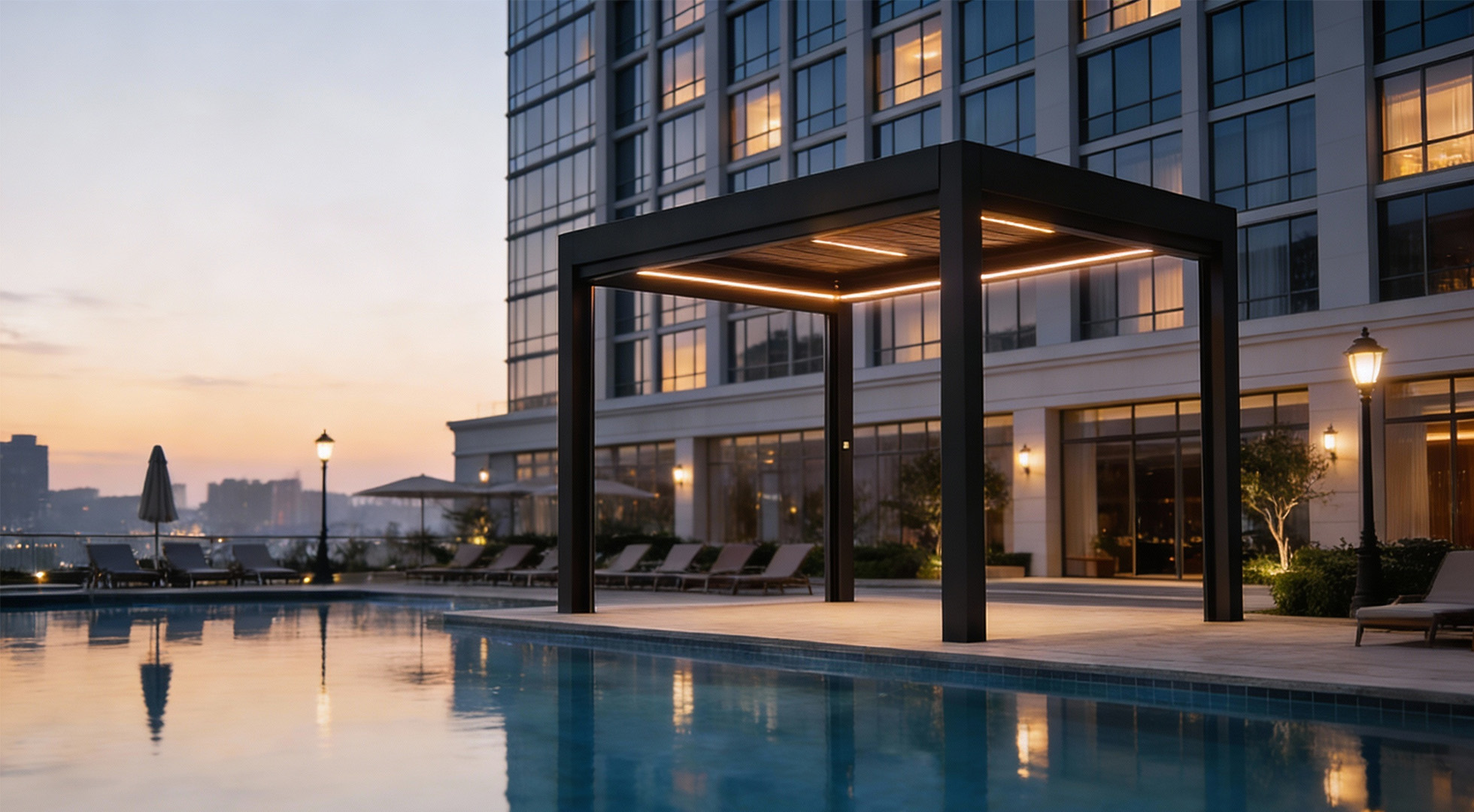
Decide what matters to the people who use the space. Comfort requires correct solar orientation and a roof angle that balances light, rain run-off and panel efficiency. Maintenance access must be straightforward—roof panels that are removable or tiled for walking save dozens of service hours over a decade. Buyers appreciate clear warranty terms and visible safety features; engineers value repeatable details and simple attachment points.
Site and structure considerations
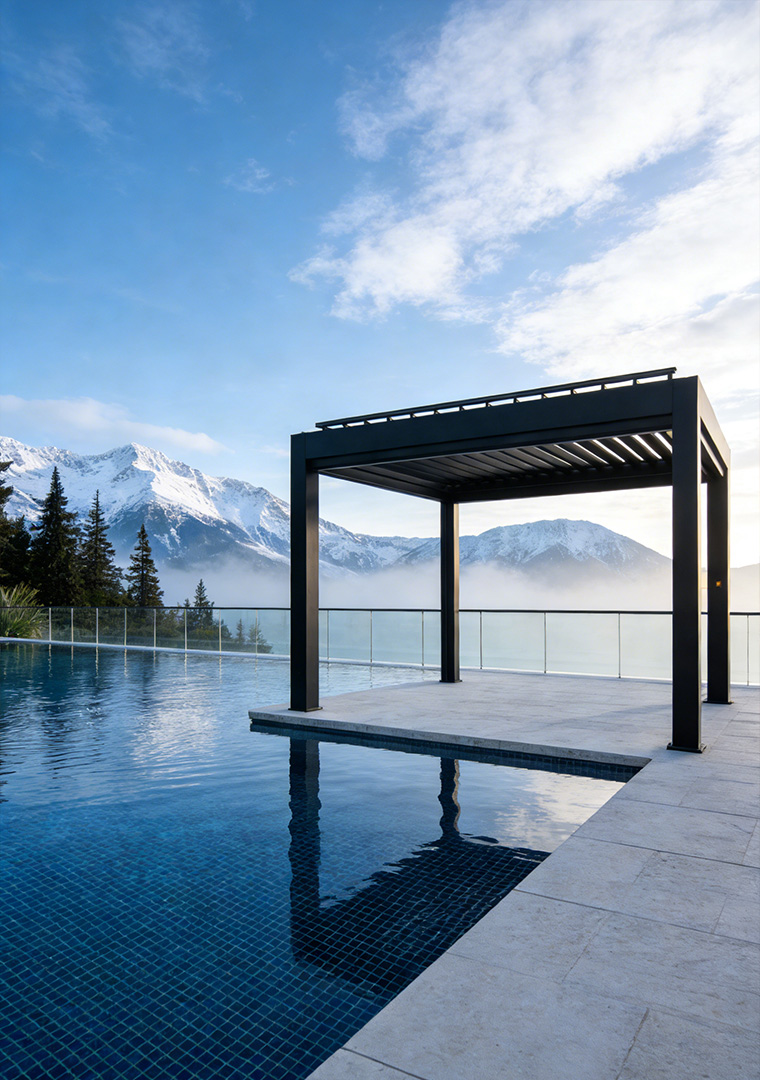
Begin with the site: soil type, prevailing wind and adjacent obstructions. Span lengths drive material choice; longer spans push you toward steel or engineered timber with bolted connections. Check snow and wind loads against local codes; specify corrosion-resistant fasteners in coastal or industrial settings. Draw a single-line load path from roof to foundation so installers and inspectors see the force transfer at a glance.
Electrical performance and integration
Match panel area to the planned inverter and wiring scheme. Use DC string layouts that avoid complex on-roof combiner boxes unless shading forces microinverters or optimizers. Plan conduit runs and connector placement before the structural design is final—penetrations are easier to coordinate early. Label circuits and leave service loops for future expansion or repair.
Regulation, procurement and evidence
Follow recognised standards and learn from regional precedents. California’s Title 24 Building Energy Efficiency Standards have driven widespread adoption of rooftop and canopy-mounted PV; that regulatory context helps professionals anticipate permitting questions. When sourcing products, compare full-system options and supplier support for site surveys, engineering stamps and installation training—this is especially important for commercial pergola systems. Lean toward vendors who supply engineering files and show test documentation for connections and module clamps.
Common mistakes to avoid
Do not leave drainage and guttering as an afterthought; standing water concentrates load and accelerates corrosion. Avoid bespoke mounts that lack test reports—custom detailing often complicates approvals and prolongs commissioning. Don’t assume aesthetic desires can be retrofitted without cost: integrated lighting, sensors and sun-tracking elements should be resolved during design so cable paths and control cavities are included.
Costs, maintenance and lifecycle view
Estimate total cost by combining structure, modules, electrical balance and access provisions. Routine checks for fastener torque, seal integrity and module cleanliness will determine year-on-year output. Prioritise components with documented replacement procedures and spare-part availability; that cuts downtime and helps owners forecast operating expense.
Conclusion
Design choices should reflect the people using the pergola and the teams who will maintain it: clear briefs, coordinated structural and electrical details, and vendors who provide technical documentation reduce surprises. For many projects, selecting a supplier that presents integrated products, engineering files and installer support proves the most pragmatic path; Light Hunter exemplifies that integrated approach without adding complexity to the specification process.