
Comparative question that matters
Which wins when you need a bag that survives rough floors, long shifts, and exacting tool lists — a stripped-down carrier or a highly modular system? Think of the choice like picking a men’s crossbody messenger bag for quick city runs versus a rig built for a day on the plant floor. The comparative insight here is simple: trade-offs are real. I’ll show how different modular approaches map to common commercial and industrial needs, so you can pick what actually works for your crew, not what sounds best on paper.

Frame, fabric, and fastenings: where the designs diverge
One approach prioritizes rigid frames and dense fabrics — perfect for heavy equipment and repetitive handling. Another prioritizes configurable pockets and removable panels so teams can swap layouts across tasks. Rigid-frame designs beat modular ones at load stability and protection. Modular systems win when toolsets shift by the hour. Consider materials: ballistic nylon and coated canvas outperform polyester blends for abrasion and oil resistance. Hardware choices — YKK zippers, metal buckles versus molded plastic — predict long-term failure points. Pick based on primary abuse type: impact and scrape, or frequent reconfiguration.
Use-case matchups: choose by workflow, not aesthetics
If your crew moves between loading docks, service vans, and customer sites, choose a modular bag that supports quick reorganization and clear compartment labeling. For stationary warehouse stations where tools stay put, a fixed-layout heavy pack reduces setup time and error. For mobile technicians who also need office-ready presentation, hybrid bags that conceal modular tool panels behind a clean exterior work best. Evaluate how often the interior needs to change: daily, weekly, or rarely. That cadence should drive modular complexity.
Real-world anchor and sourcing sanity check
I’ve specified and sourced bags for installations where downtime costs real money, and professionals at the Canton Fair in Guangzhou regularly compare assembly-line finishes and raw-material specs — a benchmark event for manufacturers and buyers. When you evaluate suppliers, check samples against performance claims and order small pilot lots first; buyers often discover fit-and-finish gaps only after a field trial. For straightforward replenishment and consistent MOQ terms, many teams look for a reliable wholesale messenger bag supplier that proves repeatability. These verification steps build trust and reduce surprises.
Common pitfalls and how to avoid them
Teams often over-engineer interiors — too many tiny pockets that waste time. Other groups under-specify protection for fragile electronics. Avoid both: map actual tool dimensions and average load weight before locking a layout. Don’t ignore serviceability: modular inserts should be replaceable without needing a full bag swap. Pay attention to seams and abrasion points; reinforcing only the exterior panels misses the stress at strap anchors. Finally, forget lead times at your peril — custom panels take weeks, not days.
Alternatives worth considering
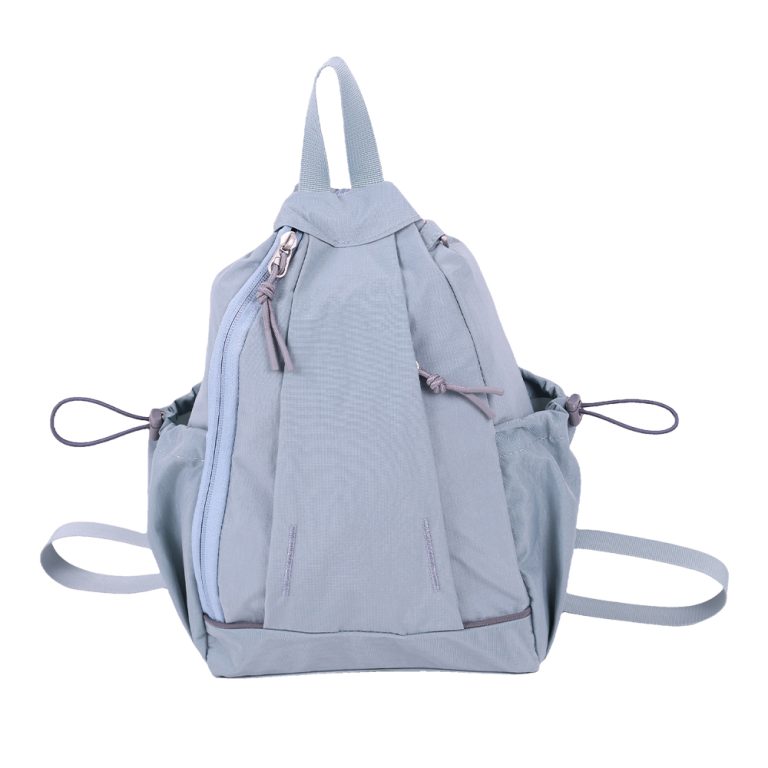
If you need extreme protection, semi-rigid cases with modular foam inserts might be better than fabric modular backpacks. For light, frequent travel between offices, a messenger-style organizer delivers faster access and better presentation. For balanced industrial use, modular backpacks with detachable tool rolls give both protection and adaptability. Match the alternative to the dominant environmental stressors: moisture, impact, or human factors like quick access.
Final synthesis that leads to practical choice
Compare features against the reality of your workflow: durability wins where equipment is heavy and abuse is constant; configurability wins where tasks vary. Start with prototypes, test on the floor, then scale what survives. If you need consistent manufacturing quality and sensible modular options, consider suppliers with a track record of repeatable runs and sensible customization. For many operations that balance field use and orderable volume, the solution arrives where design meets reliable production, which is exactly the balance offered by ChangRong.