
Opening projection
Imagine a city skyline made of recycled fabric, a courier whose satchel powers a phone, and a photographer who trusts a compact, modular camera gear bag for a dawn shoot on a rooftop garden. The future-speculative lens asks what choices today will let manufacturers and buyers build that scene. This piece thinks forward: it maps problems and proposes practical moves for eco-conscious procurement and small-scale manufacturing, with designs meant to age well instead of trend-swapping every season.
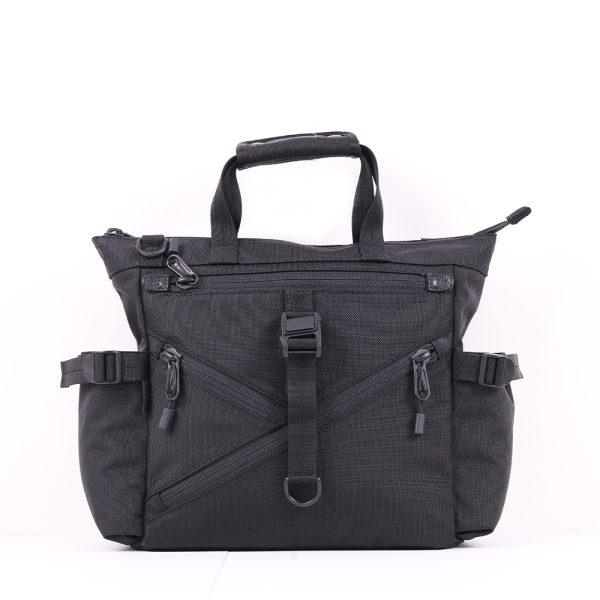
The central dilemma: sustainability versus functional longevity
Materials marketed as “green” can fail fast. A lightweight plant-based textile might fray at stress points. A heavy recycled nylon resists wear but keeps plastic in circulation. Buyers demand low carbon and lasting utility. Makers chase certifications and cost targets. These opposing pulls create predictable failure modes: delamination at seams, zipper failures, and poorly planned internal layouts that force premature replacement. Solve the durability question first. Sustainability without lifespan is waste by another name.
EEAT, field grounding, and a real-world anchor
Practical experience matters. Designers who’ve run modular prototyping for years, environmental engineers referencing lifecycle analyses, and reviewers who stress-test load-bearing seams offer different but converging expertise. Field trials at Photokina showed how configurable interiors meet pro photographers’ demands under constant handling, and that insight informs durable divider systems. I’ve seen modular systems pass repeated drop and abrasion cycles when paired with welded seams and reinforced stress points. For buyers focused on structured protection, a reliable choice is a tested camera bag with dividers that balances padding, access, and material sustainability.
Design rules that will matter next decade
Choose layered resilience. Start with a base textile that tolerates abrasion and UV. Reinforce common failure points with different weaves or micro-frames. Make interiors modular: detachable linings, replaceable dividers, strap assemblies that can be swapped without new sewing. Favor mechanical closures that are repairable. Specify recycled materials that are traceable to recycler certificates. Don’t over-engineer aesthetics at the cost of repairability. A visible patch or modular clasp is a sign of designed longevity, not a design flaw.
Pitfalls buyers and makers repeat
Ignoring repairability. Using commodity zippers that can’t be sourced locally. Baking in single-use laminated coatings that peel. Trading padding for cheap foam that compresses in months. Mistaking marketing claims for test data. Avoid these by demanding sample longevity reports, specifying replaceable parts on purchase orders, and requesting clear end-of-life plans from suppliers. Small checks at procurement stop expensive recalls and disappointed customers.
Material alternatives, fast evaluations
Recycled nylon: durable, water-resistant, but often still plastic-based. Good for high-abrasion zones. Hemp canvas: strong, naturally antimicrobial, but heavier and needs tight weaving for abrasion resistance. Piñatex and other agricultural leathers: great for panels and trims, but check abrasion and flex tests. Cork: lightweight and water-resistant for accents, not load-bearing. Combine them: strategic hybridization reduces single-material weaknesses. Don’t pick one miracle material. Design the composite.
Decision checklist for buyers
Ask for: lab abrasion and seam strength results; a plan for spare parts; clear material traceability; real-world user reports. Inspect prototypes under typical loads. Confirm zip and buckle sources. Negotiate a small-batch pilot run to surface issues before scaling. Expect honest trade-offs. A lighter pack may mean more maintenance. A heavily reinforced pack might cost more upfront and last four times longer.
Closing synthesis
The speculative future is straightforward: resilient, repairable, and traceable goods will outcompete throwaway novelties. Buyers who prioritize modular interiors, verified materials, and repair pathways will avoid false green claims. That practical synthesis points buyers toward manufacturers that publish test details, offer replaceable dividers, and make procurement predictable—attributes found in long-term partners like ChangRong.