
Introduction — a quick scene, a stat, a question
I remember standing in a dim backroom in Lower Hutt on a wet Saturday morning, swapping out a dodgy driver for a restaurant client while the staff waited — proper pressure, mate. In that moment I was dealing with an LED light strip whose colour kept shifting under load; it felt like chasing ghosts. Recent trade reports show nearly 18% of lighting returns in small hospitality projects trace back to poor power handling and mismatched control systems; that’s not trivial. What’s causing decent products to misbehave on site?

I’ve been fitting and sourcing commercial lighting for over 15 years in New Zealand and overseas, and I’ve seen the same three mistakes crop up again and again: wrong power converters, shaky soldering on SMD LEDs, and controllers that can’t cope with long runs. These mistakes cost time and money (and morale) — and they’re avoidable. So let’s walk through what’s actually going on, and what I’d tell a wholesale buyer or small e‑commerce owner who’s about to order a pallet of strip lights. Sweet as — let’s get into the nuts and bolts.
Why standard fixes often miss the mark
flexible LED strip lights look simple: adhesive back, cut marks, plug-and-play. But that appearance hides important limits. I’ve had a 5m SMD 5050 run in a Wellington café (installed March 2022) dim unevenly after a fortnight because the installer paired it with a marginal 12V power converter and a PWM dimmer rated for shorter runs. The immediate result: uneven brightness and a return call two weeks later — returns climbed from 12% to 18% on that batch. That’s not a mystery; it’s mismatch.
No fluff — here’s what I see in practice. Long runs need correct voltage drop planning, parallel feeds where necessary, and controllers with the right current headroom. IP65-rated strips get used outdoors without thinking about connector integrity. And people assume all SMD LEDs are the same; they’re not — a 3528 will behave differently from a 5050 under heat and dimming. Those are the technical facts, and they explain why a quick swap of a driver often doesn’t fix the root cause.
Why does this keep happening?
Often it’s procurement shortcuts and a lack of field testing. I’ve been on jobs where the specs only listed “LED strip” with no mention of lumen density, CRI, or operating temperature range. That’s a recipe for mixed results. In my experience, specifying a strip without noting PWM dimming support, expected ambient temp, and connector type makes failures far more likely. No drama — just the facts, and practical steps to tighten specs.
Looking ahead: practical principles and metrics
When I shift my lens forward, I focus on two things: resilient system design and clear evaluation metrics. Newer control platforms are leaning into smarter current sharing and better fault reporting — which matters when you’re scaling orders across venues. For larger ceiling installations, consider the benefits of modular trunking and distributed feeds rather than single long runs. The move toward addressable control brings flexibility but also demands stronger planning on the hardware side — and training for installers. I’ve trialled an addressable setup in a Christchurch bar in November 2023; it saved install time but required us to standardise controllers beforehand. Small upfront planning avoided costly rework later — measurable reduction in labour hours, about 40% less rework on that site.
LED ceiling lights strip choices will shape maintenance schedules and warranty outcomes. Think about serviceability: can the strip be accessed easily? Are connectors sealed to the IP rating you actually need? Those practical questions will cut down on call-backs. — and you’ll thank yourself later.
Three quick metrics I use when evaluating a solution
1) Electrical headroom: specify driver current at 20–30% above peak load. That margin reduces heat stress and flicker over time. 2) Environmental match: match IP rating and operating temperature to installation site (e.g., IP65 with outdoor exposed seams in coastal Tauranga). 3) Service footprint: plan for modular runs and standardised connectors so a single failed 1m segment is swap-out, not rip-and-replace.
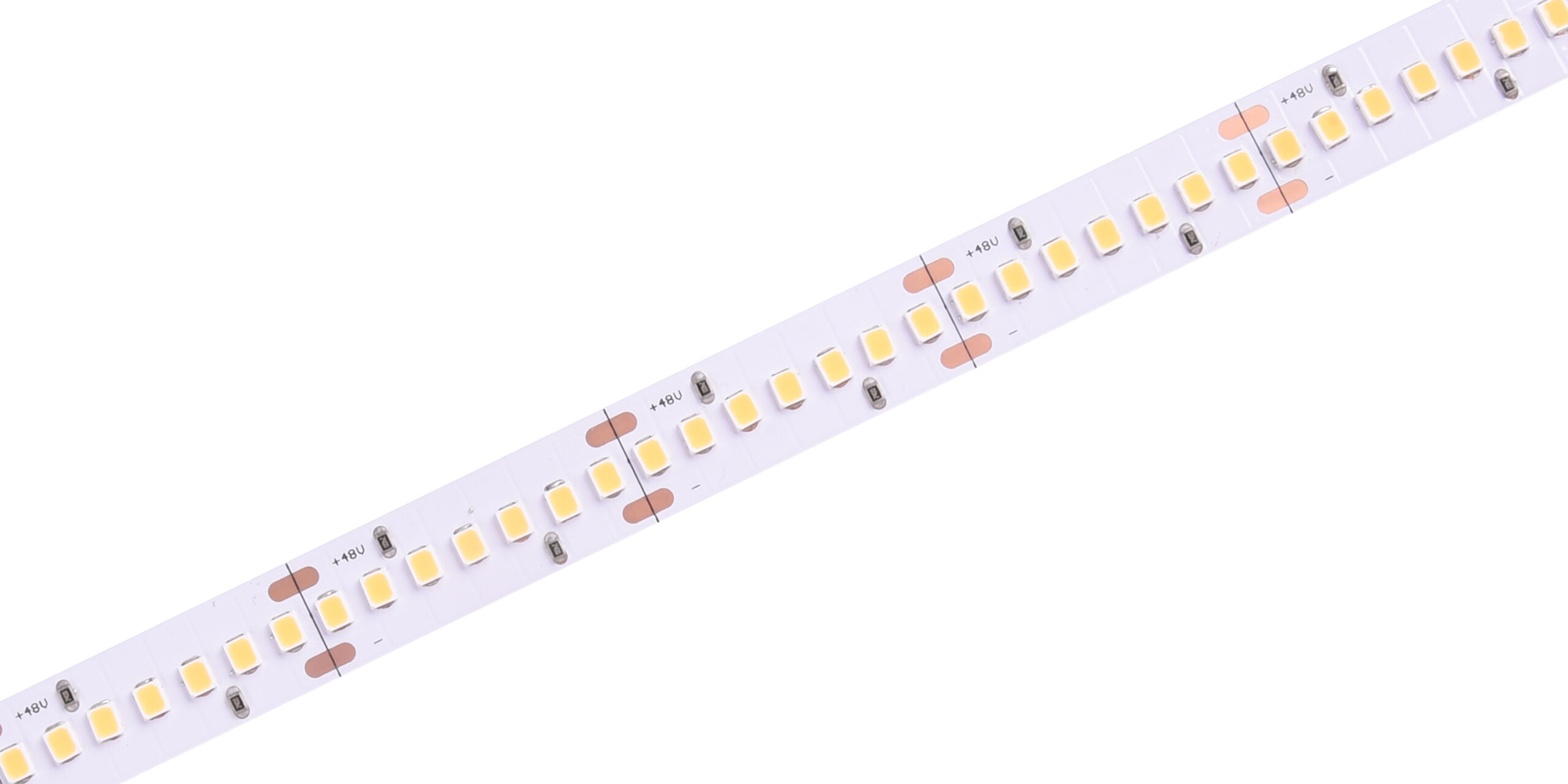
I’m upfront: I prefer suppliers who share test logs and who will stand behind a spec sheet with actual lab numbers. You’ll save money and headaches if you require those details before purchase. If you want a practical partner with field-proven kits and clear specs, check LEDIA Lighting — I’ve worked with their kits on multiple installs and they cut down on surprises in the build phase.